Understanding Watch-Only Wallets: A Secure Solution for BTC Mixer Users

In the world of cryptocurrency, security and privacy are paramount. As users navigate the complexities of blockchain technology, tools like watch-only wallets have emerged as essential components for safeguarding digital assets. A watch-only wallet is a specialized type of cryptocurrency wallet that allows users to monitor transactions on the blockchain without storing private keys. This feature is particularly valuable for individuals and businesses involved in BTC Mixer services, where transparency and anonymity are critical. By understanding how watch-only wallets function, users can make informed decisions to protect their assets while maintaining control over their digital footprint.
What is a Watch-Only Wallet?
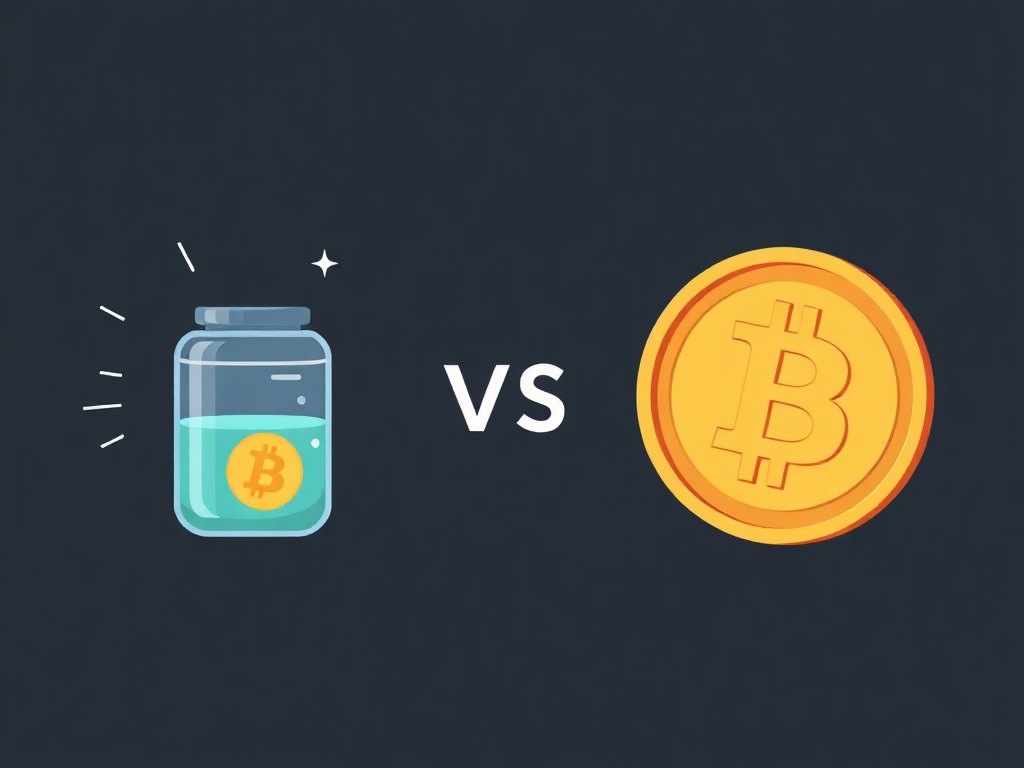
A watch-only wallet is designed to provide users with the ability to view and track transactions on the blockchain without having access to the private keys associated with the wallet. Unlike traditional wallets, which store both public and private keys, a watch-only wallet only holds the public key and the corresponding address. This means users can monitor incoming and outgoing transactions, verify balances, and even confirm the validity of transactions, but they cannot initiate any transfers or access the funds directly.
The Technical Foundation of Watch-Only Wallets
The core functionality of a watch-only wallet relies on the blockchain's public ledger. When a user creates a watch-only wallet, they generate a public key and an address, which are then used to track transactions. The wallet software connects to the blockchain network, allowing it to scan for any activity related to the specified address. This process is similar to how a regular wallet operates, but with a key difference: the private key remains securely stored elsewhere, often on a separate device or in a hardware wallet.
How Watch-Only Wallets Differ from Regular Wallets
Traditional wallets grant users full control over their funds by storing both public and private keys. In contrast, a watch-only wallet eliminates the need for private key storage, making it a safer option for users who prioritize security. This design is particularly useful for individuals who want to monitor their transactions without the risk of losing access to their funds. For example, a user might use a watch-only wallet to track the movement of Bitcoin through a BTC Mixer service, ensuring that their transactions remain anonymous while still maintaining visibility into the process.
How Does a Watch-Only Wallet Work?
Understanding the inner workings of a watch-only wallet requires a basic grasp of blockchain technology. At its core, a watch-only wallet functions as a passive observer of the blockchain, continuously scanning for transactions linked to its associated address. This process involves several key steps, each of which contributes to the wallet's ability to provide real-time updates without compromising security.
Public Key and Address Generation
When a user creates a watch-only wallet, the first step is generating a public key and an address. This is typically done using cryptographic algorithms that ensure the public key is unique and secure. The address, derived from the public key, serves as the identifier for the wallet on the blockchain. Unlike a regular wallet, the private key is never stored within the watch-only wallet itself. Instead, it is kept in a separate, secure location, such as a hardware wallet or a cold storage solution.
Transaction Monitoring and Verification
Once the watch-only wallet is set up, it begins monitoring the blockchain for any transactions involving the associated address. This is achieved through a process called "blockchain scanning," where the wallet software connects to a node or a blockchain explorer to retrieve the latest data. When a transaction is detected, the wallet notifies the user, providing details such as the amount, sender, and recipient. This feature is especially useful for users who want to verify the legitimacy of transactions without exposing their private keys.
Limitations and Considerations
While watch-only wallets offer significant advantages, they also come with certain limitations. For instance, users cannot initiate transactions or access funds directly from a watch-only wallet. This means that the wallet is primarily used for monitoring purposes rather than active fund management. Additionally, the effectiveness of a watch-only wallet depends on the reliability of the blockchain network and the accuracy of the data it retrieves. Users must also ensure that their wallet software is up to date to avoid potential vulnerabilities.
Benefits of Using a Watch-Only Wallet
The primary advantage of a watch-only wallet is its enhanced security. By not storing private keys, users significantly reduce the risk of theft or unauthorized access. This is particularly important in the context of BTC Mixer services, where users may need to monitor transactions without revealing their identities. Additionally, watch-only wallets offer a level of convenience that traditional wallets may lack, as they allow users to track their assets without the need for constant online connectivity.
Enhanced Security and Privacy
One of the most compelling benefits of a watch-only wallet is its ability to protect users from potential security threats. Since the private key is not stored on the device, there is no risk of it being compromised through malware, phishing attacks, or hardware failures. This makes watch-only wallets an ideal choice for users who prioritize privacy and want to minimize their exposure to cyber threats. Furthermore, the absence of private key storage aligns with the principles of decentralized finance, where users retain full control over their assets.
Cost-Effective and User-Friendly
Another advantage of using a watch-only wallet is its cost-effectiveness. Unlike hardware wallets, which require physical devices and additional setup, watch-only wallets can often be created and managed using software solutions that are free or low-cost. This makes them accessible to a wider range of users, including those who are new to cryptocurrency. Additionally, the user interface of a watch-only wallet is typically straightforward, allowing even non-technical users to monitor their transactions with ease.
Transparency and Accountability
For users of BTC Mixer services, a watch-only wallet provides an added layer of transparency. By monitoring transactions in real time, users can verify that their funds are being processed correctly and that no unauthorized activity is taking place. This level of accountability is crucial in the world of cryptocurrency, where trust is often built on the integrity of the blockchain. A watch-only wallet ensures that users can maintain visibility into their transactions without compromising their security.
Use Cases for Watch-Only Wallets
The versatility of a watch-only wallet makes it suitable for a wide range of applications. From individual users to large-scale businesses, the ability to monitor transactions without storing private keys offers numerous benefits. In the context of BTC Mixer services, watch-only wallets play a critical role in ensuring the integrity and transparency of transactions.
Monitoring Transactions for BTC Mixer Users
One of the most common use cases for a watch-only wallet is in the context of BTC Mixer services. These services allow users to anonymize their Bitcoin transactions by mixing them with others, making it difficult to trace the origin of the funds. A watch-only wallet enables users to track the movement of their Bitcoin through the mixer, ensuring that their transactions are processed as intended. This is particularly useful for individuals who want to maintain their privacy while still having the ability to verify the status of their funds.
Business Applications and Compliance
Businesses that handle large volumes of Bitcoin transactions can also benefit from using a watch-only wallet. By monitoring transactions in real time, companies can ensure compliance with regulatory requirements and detect any suspicious activity. For example, a cryptocurrency exchange might use a watch-only wallet to track the flow of funds and identify potential fraud. This not only enhances security but also helps businesses maintain trust with their customers.
Educational and Development Purposes
Another important use case for a watch-only wallet is in educational and development environments. Developers and researchers can use watch-only wallets to study blockchain transactions and analyze the behavior of the network. This is particularly valuable for those working on new cryptocurrency projects or exploring the potential of decentralized finance. By providing a safe and controlled environment for experimentation, watch-only wallets contribute to the advancement of blockchain technology.
Security Considerations and Best Practices
While watch-only wallets offer significant security advantages, users must still take precautions to protect their assets. The absence of private keys does not eliminate all risks, and users must remain vigilant to avoid potential vulnerabilities. Understanding the best practices for using a watch-only wallet is essential for maintaining the integrity of their digital assets.
Private Key Management
One of the most critical aspects of using a watch-only wallet is the proper management of private keys. Since the private key is not stored within the wallet itself, users must ensure that it is kept in a secure location. This could involve using a hardware wallet, a cold storage solution, or a trusted third-party service. It is also important to avoid sharing the private key with anyone, as this could lead to unauthorized access to the funds.
Regular Software Updates and Maintenance
Another key consideration is the need for regular software updates. The blockchain ecosystem is constantly evolving, and wallet software must be updated to address new security threats and improve functionality. Users of watch-only wallets should ensure that their software is always up to date to benefit from the latest security patches and features. Additionally, regular backups of the wallet's configuration can help prevent data loss in the event of a system failure.
Avoiding Phishing and Social Engineering Attacks
Even though a watch-only wallet does not store private keys, users are still vulnerable to phishing and social engineering attacks. Scammers may attempt to trick users into revealing their public keys or other sensitive information. To mitigate this risk, users should only interact with trusted sources and avoid clicking on suspicious links or emails. It is also advisable to use two-factor authentication (2FA) for any accounts associated with the watch-only wallet to add an extra layer of security.
Conclusion: The Future of Watch-Only Wallets in the BTC Mixer Ecosystem
As the cryptocurrency landscape continues to evolve, the role of watch-only wallets is likely to expand. These wallets offer a unique combination of security, transparency, and convenience, making them an attractive option for users of BTC Mixer services and other blockchain-based applications. By understanding how watch-only wallets work and implementing best practices for their use, users can protect their assets while maintaining the privacy and control they desire. Whether for personal use, business operations, or educational purposes, the watch-only wallet represents a significant advancement in the world of digital finance.
In conclusion, the watch-only wallet
As a DeFi and Web3 analyst, I’ve observed that watch-only wallets are becoming a cornerstone of secure and transparent blockchain interactions. These wallets allow users to monitor transaction histories and balances without exposing private keys, making them ideal for auditing smart contracts, tracking liquidity positions, or verifying governance token distributions. In an era where decentralized finance protocols demand heightened security, watch-only wallets provide a non-custodial solution that aligns with the ethos of user sovereignty while mitigating risks associated with key management. One practical application I’ve noted is their use in institutional-grade DeFi strategies. For instance, liquidity providers can deploy watch-only wallets to monitor their positions across multiple protocols without compromising the security of their primary wallets. This is particularly critical in yield farming, where frequent interactions with smart contracts could expose users to phishing attacks or accidental misconfigurations. By isolating monitoring functions, watch-only wallets act as a buffer, ensuring that operational keys remain offline and protected from potential exploits. However, the adoption of watch-only wallets is not without challenges. Users must carefully select trusted providers, as vulnerabilities in the wallet’s implementation could still pose risks. Additionally, the lack of standardized interfaces across Web3 platforms can create friction for non-technical users. Despite these hurdles, the growing emphasis on transparency and security in DeFi protocols suggests that watch-only wallets will play an increasingly vital role in bridging the gap between institutional-grade security and the decentralized ethos of Web3. For analysts and users alike, understanding their strategic value is key to navigating the evolving landscape of decentralized finance. 
The Strategic Role of Watch-Only Wallets in Modern DeFi Ecosystems