Understanding Self-Sovereign Private ID: A New Era of Digital Identity Control

In an era where digital interactions dominate daily life, the concept of self-sovereign private ID has emerged as a revolutionary approach to managing personal data. Unlike traditional identity systems that rely on centralized authorities, this model empowers individuals to own, control, and share their information securely. As privacy concerns grow and data breaches become more frequent, the need for decentralized identity solutions like self-sovereign private ID is gaining momentum. This article explores the principles, benefits, and real-world applications of this innovative framework, shedding light on how it reshapes the future of digital identity.
The Foundations of Self-Sovereign Private ID
What Is Self-Sovereign Identity (SSI)?
The term self-sovereign private ID refers to a decentralized identity model where individuals have full authority over their personal data. Rooted in the principles of self-sovereign identity (SSI), this system eliminates reliance on third-party intermediaries. Instead, users store their credentials in secure digital wallets, granting access only when necessary. By leveraging blockchain technology, self-sovereign private ID ensures transparency, immutability, and user-centric control. This paradigm shift challenges conventional identity management, offering a more secure and equitable alternative.
Key Principles of Self-Sovereign Identity
At its core, self-sovereign private ID operates on five foundational principles:
- User Ownership: Individuals retain exclusive control over their data, deciding who can access it.
- Decentralization: No single entity governs the system, reducing vulnerabilities to hacking or misuse.
- Portability: Credentials can be shared across platforms without duplication or loss.
- Privacy: Users disclose only the minimum information required for a transaction.
- Interoperability: Systems adhere to open standards, ensuring seamless integration.
How Self-Sovereign Private ID Works
The Role of Blockchain Technology
Blockchain serves as the backbone of self-sovereign private ID, enabling secure and tamper-proof record-keeping. Each identity transaction is recorded on a distributed ledger, ensuring transparency and accountability. For instance, when a user verifies their age or citizenship, the data is cryptographically linked to their wallet, creating an unalterable audit trail. This eliminates the risk of fraud while maintaining privacy, as sensitive details remain encrypted unless explicitly shared.
Digital Wallets and Verifiable Credentials
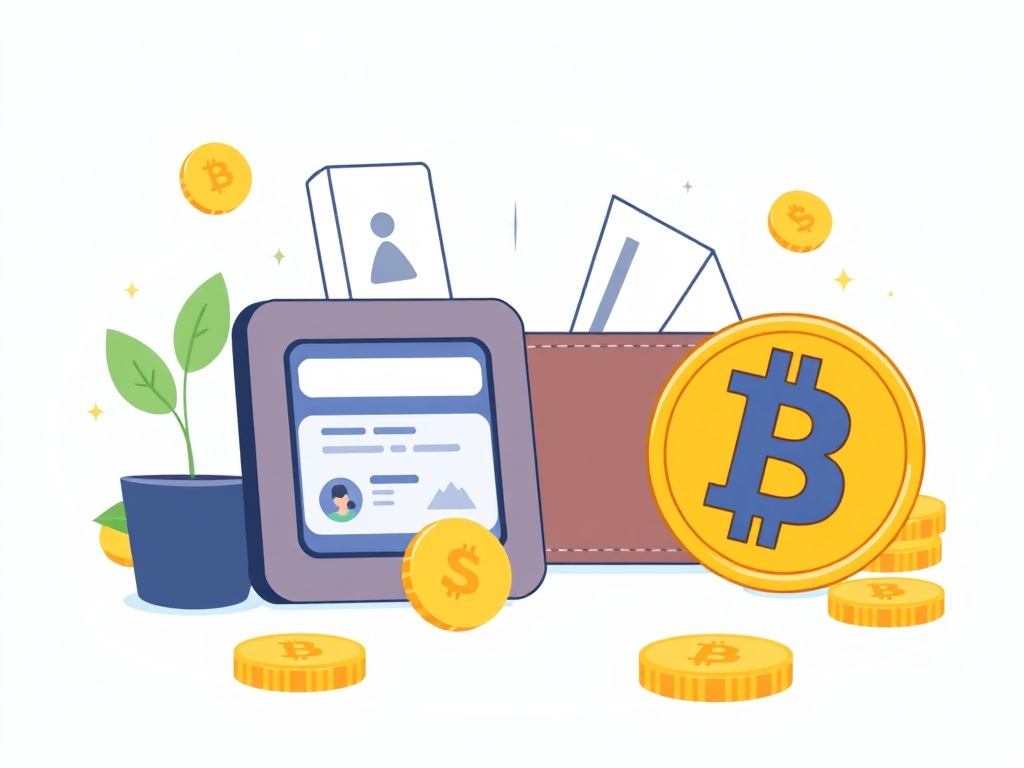
Users store their self-sovereign private ID in digital wallets, which act as secure repositories for credentials. These wallets utilize cryptographic keys to authenticate transactions, ensuring only authorized parties can access or modify data. Verifiable credentials—such as passports, diplomas, or medical records—are issued by trusted entities but remain under the user’s control. When presenting an ID, the wallet proves ownership without revealing unnecessary details, a process known as zero-knowledge proofs. This method balances security with convenience, making self-sovereign private ID both practical and future-ready.
Benefits of Adopting Self-Sovereign Private ID
Enhanced Privacy and Security
One of the most compelling advantages of self-sovereign private ID is its ability to safeguard personal data. By decentralizing identity management, users avoid exposing sensitive information to centralized databases, which are prime targets for cyberattacks. For example, instead of submitting a full Social Security number to a service provider, a user could share a cryptographically verified proof of identity. This minimizes the risk of data breaches and identity theft, aligning with the growing demand for self-sovereign private ID solutions in sectors like finance and healthcare.
Reduced Identity Fraud
Traditional identity systems are rife with vulnerabilities, from phishing scams to forged documents. Self-sovereign private ID mitigates these risks by anchoring credentials to blockchain-based proofs. Each verification is timestamped and immutable, making it nearly impossible to alter or fake. In industries like banking, where KYC (Know Your Customer) protocols are critical, this system streamlines compliance while eliminating fraud. The result? A safer digital ecosystem where trust is built on cryptographic certainty rather than paperwork.
Real-World Applications of Self-Sovereign Private ID
Healthcare: Securing Patient Data
In healthcare, self-sovereign private ID offers a transformative solution to data privacy. Patients can grant hospitals or insurers access to their medical records without relinquishing control. For instance, a patient might share only their vaccination history with a new doctor, keeping other details private. This not only protects sensitive information but also accelerates care delivery by eliminating redundant data collection. As regulatory frameworks like GDPR emphasize data minimization, self-sovereign private ID aligns perfectly with compliance requirements.
Finance: Streamlining KYC Processes
Financial institutions are increasingly adopting self-sovereign private ID to modernize KYC procedures. By allowing users to store verified credentials in digital wallets, banks can reduce onboarding times and operational costs. For example, a customer could present a blockchain-verified ID to open an account, bypassing manual verification steps. This not only enhances efficiency but also reduces the risk of fraud, as each transaction is cryptographically validated. The integration of self-sovereign private ID into fintech platforms exemplifies its potential to revolutionize financial services.
Challenges and Considerations
Technical Barriers to Adoption
Despite its promise, self-sovereign private ID faces significant technical hurdles. Implementing blockchain infrastructure requires substantial investment and expertise, which may deter smaller organizations. Additionally, interoperability between different systems remains a challenge, as competing standards could fragment the ecosystem. Users also need intuitive tools to manage their self-sovereign private ID, such as user-friendly wallets and cross-platform compatibility. Addressing these barriers is critical to ensuring widespread adoption and long-term viability.
Regulatory and Legal Frameworks
Regulatory uncertainty poses another obstacle for self-sovereign private ID. Governments worldwide are grappling with how to classify and regulate decentralized identity systems. For instance, while some jurisdictions recognize blockchain-based credentials as legally valid, others lack clear guidelines. This creates a patchwork of compliance requirements that could hinder global adoption. Harmonizing laws and fostering international collaboration will be essential to unlocking the full potential of self-sovereign private ID solutions.
The Future of Self-Sovereign Private ID
Emerging Trends and Innovations
The landscape of self-sovereign private ID is rapidly evolving, driven by advancements in blockchain and cryptography. Innovations like zero-knowledge proofs and decentralized identifiers (DIDs) are enhancing privacy and scalability. For example, DIDs allow users to create unique, globally resolvable identifiers without relying on centralized registries. Meanwhile, interoperability protocols like Verifiable Credentials are standardizing how data is shared across platforms. These developments are paving the way for a more inclusive and secure digital identity ecosystem.
Global Adoption and Policy Implications
As awareness of self-sovereign private ID grows, governments and organizations are exploring pilot programs to test its feasibility. Countries like Estonia and Singapore have already integrated elements of SSI into their national ID systems, demonstrating real-world viability. However, scaling these solutions requires coordinated policy efforts to address issues like data sovereignty and cross-border recognition. By fostering public-private partnerships, stakeholders can create a regulatory environment that supports the ethical and secure use of self-sovereign private ID technologies.
Conclusion: Embracing a User-Centric Identity Future
The rise of self-sovereign private ID marks a pivotal shift in how we perceive and manage digital identity. By placing control firmly in the hands of individuals, this model addresses longstanding issues of privacy, security, and fragmentation. While challenges remain, the potential for innovation in sectors like healthcare, finance, and education is immense. As technology and policy continue to evolve, self-sovereign private ID will undoubtedly play a central role in shaping a more equitable and secure digital future. For users, businesses, and policymakers alike, embracing this paradigm is not just an option—it’s a necessity.

Self-Sovereign Private ID: The Future of Decentralized Identity Ownership
As a Senior Crypto Market Analyst with over 12 years of experience in digital asset analysis, I’ve observed that identity management is one of the most overlooked yet critical challenges in blockchain adoption. The concept of "self-sovereign private ID" represents a paradigm shift in how individuals control their personal data. Unlike traditional systems where governments or corporations act as intermediaries, this model empowers users to own, manage, and selectively disclose their identity credentials without relying on centralized authorities. From a valuation perspective, projects integrating self-sovereign identity (SSI) frameworks are poised to disrupt sectors ranging from finance to healthcare, as they address growing concerns around data privacy and regulatory compliance.
Practically, self-sovereign private ID systems leverage blockchain’s immutability and cryptographic security to create tamper-proof digital identities. For instance, users can store verifiable credentials—such as passports or academic degrees—on decentralized ledgers, granting them full autonomy over who accesses their information. This eliminates single points of failure and reduces fraud risks, which is particularly compelling for institutional clients wary of centralized databases. However, adoption hinges on interoperability standards and user-friendly interfaces. While early-stage projects may face scalability hurdles, the long-term potential for reducing identity theft and streamlining KYC processes makes this a high-conviction area for forward-thinking investors.
From a risk assessment standpoint, the regulatory landscape remains a wildcard. Governments are grappling with how to balance privacy rights with anti-money laundering (AML) requirements, which could slow mainstream adoption. That said, jurisdictions like Switzerland and Singapore are already piloting SSI frameworks, signaling a gradual shift toward acceptance. As institutional demand for privacy-preserving solutions grows, self-sovereign private ID will likely emerge as a cornerstone of Web3 infrastructure. My analysis suggests allocating exposure to protocols that prioritize modular design and cross-chain compatibility—key differentiators in this evolving space.