Understanding Non-Custodial Crypto Swaps: A Secure and Decentralized Approach to Cryptocurrency Trading
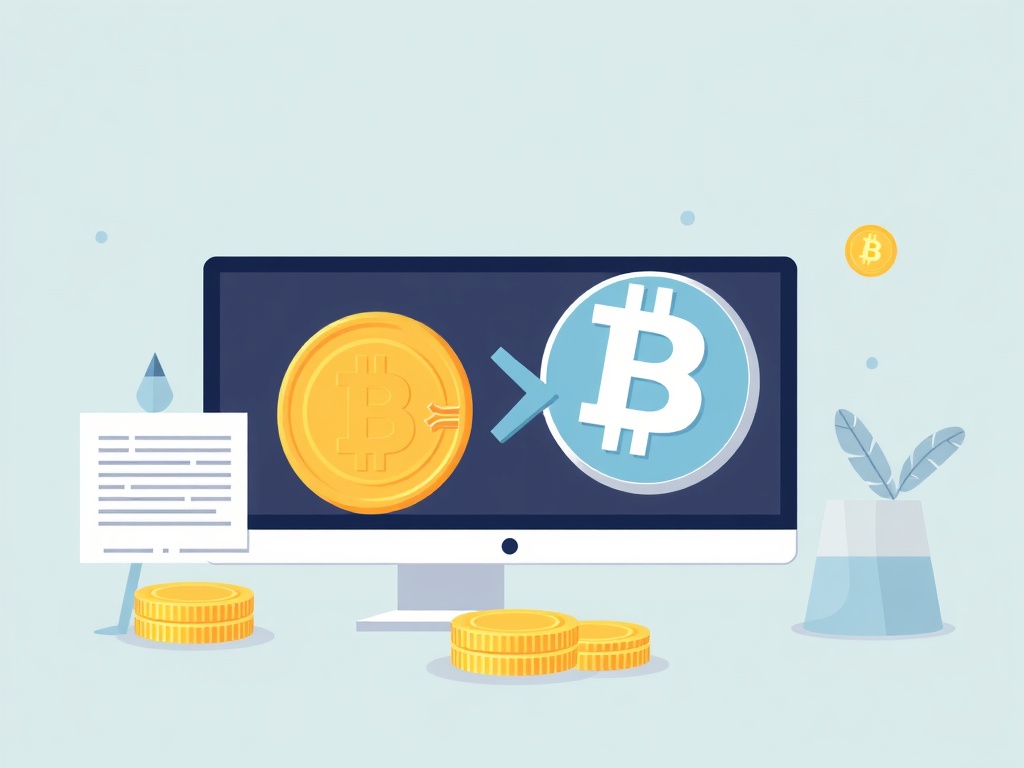
In the rapidly evolving world of cryptocurrency, the concept of a non-custodial crypto swap has gained significant traction. Unlike traditional exchanges where users entrust their funds to a centralized platform, non-custodial crypto swaps allow individuals to trade digital assets directly from their wallets. This approach eliminates the need for intermediaries, offering greater control, security, and privacy. As the demand for decentralized financial solutions grows, understanding how non-custodial crypto swaps function and their implications becomes essential for both novice and experienced traders.
What is a Non-Custodial Crypto Swap?
A non-custodial crypto swap refers to a process where users exchange one cryptocurrency for another without relying on a third party to hold their funds. Instead, the transaction is facilitated through smart contracts on a blockchain network. This method ensures that users retain full ownership of their assets at all times, reducing the risk of hacks, fraud, or platform insolvency. Unlike custodial exchanges, which act as intermediaries, non-custodial swaps prioritize user autonomy and transparency.
The Role of Smart Contracts
At the core of a non-custodial crypto swap is the use of smart contracts—self-executing agreements with the terms directly written into code. These contracts automatically facilitate the exchange once predefined conditions are met, such as the receipt of the required amount of cryptocurrency. By eliminating the need for manual verification, smart contracts enhance efficiency and reduce the potential for human error. However, their reliability depends on the security and integrity of the underlying blockchain network.
Decentralized Exchanges (DEXs) and Non-Custodial Swaps
Decentralized exchanges (DEXs) are the primary platforms enabling non-custodial crypto swaps. Unlike centralized exchanges (CEXs), DEXs operate on blockchain networks and do not require users to deposit funds into a centralized wallet. Instead, users connect their wallets directly to the DEX, allowing them to trade assets in real time. This model not only enhances security but also fosters a more open and inclusive financial ecosystem.
How Non-Custodial Crypto Swaps Work
The process of executing a non-custodial crypto swap involves several key steps, each designed to ensure transparency and user control. First, users connect their cryptocurrency wallets to a decentralized exchange. Next, they select the assets they wish to trade and specify the amount. The smart contract then locks the funds in a temporary escrow, ensuring that both parties fulfill their obligations before the transaction is finalized. Once the conditions are met, the assets are transferred to the respective wallets, completing the swap.
Wallet Integration and Security
One of the defining features of a non-custodial crypto swap is its reliance on wallet integration. Users must have a compatible wallet, such as MetaMask or Trust Wallet, to interact with DEXs. These wallets act as the gateway to the decentralized ecosystem, allowing users to initiate swaps without exposing their private keys to third parties. However, the security of these wallets is paramount, as any compromise could result in the loss of funds.
Liquidity Pools and Automated Market Makers
Many non-custodial crypto swaps rely on liquidity pools, which are collections of funds provided by users to facilitate trading. These pools are managed by automated market makers (AMMs), algorithms that determine the price of assets based on supply and demand. When a user initiates a swap, the AMM calculates the exchange rate and executes the transaction. This system ensures that users can trade even in low-liquidity environments, though it may result in slippage—a temporary price difference between the expected and actual trade price.
Benefits of Using Non-Custodial Crypto Swaps
Non-custodial crypto swaps offer a range of advantages that make them an attractive option for cryptocurrency enthusiasts. By eliminating the need for intermediaries, these platforms provide users with greater control over their assets. Additionally, the decentralized nature of these swaps reduces the risk of censorship and ensures that transactions are processed without external interference. Below are some of the key benefits of using a non-custodial crypto swap:
Enhanced Security and Privacy
One of the most significant benefits of a non-custodial crypto swap is the enhanced security it provides. Since users retain control of their private keys, there is no risk of a centralized exchange being hacked or compromised. Furthermore, the absence of a middleman means that personal information is not stored on a single platform, reducing the likelihood of data breaches. This level of privacy is particularly appealing to users who prioritize anonymity in their financial transactions.
Lower Fees and Faster Transactions
Compared to traditional exchanges, non-custodial crypto swaps often feature lower transaction fees. This is because DEXs typically do not charge the same overhead costs as centralized platforms, which must maintain extensive infrastructure and comply with regulatory requirements. Additionally, the use of smart contracts streamlines the trading process, enabling faster transactions without the need for manual verification. For users who value efficiency, this can be a major advantage.
Access to a Wide Range of Assets
Non-custodial crypto swaps often support a broader selection of cryptocurrencies compared to centralized exchanges. This is because DEXs are not bound by the same listing criteria as CEXs, allowing for the inclusion of niche or emerging projects. As a result, users can access a diverse array of assets, from established coins like Bitcoin and Ethereum to lesser-known tokens. This flexibility is particularly beneficial for traders looking to diversify their portfolios or explore new opportunities in the crypto space.
Risks and Considerations
While non-custodial crypto swaps offer numerous benefits, they are not without risks. Users must be aware of potential pitfalls, such as smart contract vulnerabilities, market volatility, and the complexity of managing private keys. Understanding these challenges is crucial for making informed decisions when engaging in a non-custodial crypto swap.
Smart Contract Vulnerabilities
Smart contracts, while revolutionary, are not immune to flaws. A single line of code can contain a vulnerability that, if exploited, could lead to the loss of funds. This is why it is essential to use reputable DEXs that have undergone rigorous security audits. Additionally, users should stay informed about the latest developments in blockchain security to minimize the risk of falling victim to malicious actors.
Market Volatility and Impermanent Loss
Cryptocurrency markets are inherently volatile, and this can impact the outcomes of a non-custodial crypto swap. For example, if the price of an asset fluctuates significantly between the time a user initiates a swap and when the transaction is finalized, they may experience a loss. This is particularly true for liquidity providers in AMMs, who may face impermanent loss—a situation where the value of their deposited assets decreases compared to holding them in a wallet. Understanding these risks is vital for anyone considering a non-custodial swap.
User Responsibility and Technical Knowledge
Engaging in a non-custodial crypto swap requires a certain level of technical knowledge and responsibility. Unlike custodial platforms, where users can rely on customer support to resolve issues, non-custodial swaps place the onus on the user to manage their own assets. This includes securing private keys, understanding wallet functionality, and staying updated on the latest trends in the crypto space. For those unfamiliar with these concepts, the learning curve can be steep, making it important to invest time in education before diving into decentralized trading.
Popular Non-Custodial Crypto Swap Platforms
As the demand for decentralized financial solutions continues to rise, several platforms have emerged as leaders in the non-custodial crypto swap space. These platforms offer a range of features, from user-friendly interfaces to advanced trading tools, catering to both beginners and experienced traders. Below are some of the most popular non-custodial crypto swap platforms:
Uniswap
Uniswap is one of the most well-known decentralized exchanges, renowned for its simplicity and efficiency. It operates on the Ethereum blockchain and utilizes an automated market maker (AMM) model to facilitate trades. Users can swap a wide variety of tokens, including both established and emerging projects. Uniswap’s open-source nature allows for continuous innovation, making it a favorite among developers and traders alike.
SushiSwap
SushiSwap is another popular non-custodial crypto swap platform that builds upon the foundation of Uniswap. It offers similar functionality but introduces additional features, such as yield farming and governance tokens. SushiSwap’s community-driven approach has helped it gain a loyal following, and its integration with various blockchain networks makes it a versatile option for users seeking a non-custodial swap experience.
1inch
1inch is a decentralized exchange aggregator that sources liquidity from multiple DEXs to provide users with the best possible rates. By splitting trades across different platforms, 1inch minimizes slippage and ensures that users receive the most favorable exchange rates. This makes it an excellent choice for those looking to execute large trades without compromising on price efficiency. The platform’s focus on user experience and cost-effectiveness has contributed to its growing popularity in the non-custodial crypto swap ecosystem.
Conclusion: The Future of Non-Custodial Crypto Swaps
The rise of non-custodial crypto swaps marks a significant shift in how users interact with the cryptocurrency market. By prioritizing security, privacy, and user control, these platforms are reshaping the landscape of digital asset trading. As blockchain technology continues to evolve, the role of non-custodial crypto swaps is likely to expand, offering even more opportunities for individuals to participate in the decentralized economy. Whether you are a seasoned trader or a newcomer to the space, understanding the mechanics and benefits of a non-custodial crypto swap is essential for navigating the future of finance.

The Future of Decentralized Trading: How Non-Custodial Crypto Swaps Are Reshaping Financial Autonomy
As a Senior Crypto Market Analyst with over 12 years of experience in digital asset analysis, I’ve witnessed the evolution of decentralized finance (DeFi) from niche experimentation to a cornerstone of modern financial infrastructure. Non-custodial crypto swaps represent one of the most transformative innovations in this space, enabling users to trade digital assets directly on blockchain networks without relying on centralized intermediaries. This model eliminates the need for third-party custodians, giving users full control over their private keys and funds while reducing exposure to exchange-specific risks such as hacks, regulatory seizures, or operational failures. The rise of automated market makers (AMMs) and decentralized exchanges (DEXs) has democratized access to liquidity, making non-custodial swaps a critical tool for both retail and institutional participants seeking transparency and sovereignty in their financial activities.
From a practical standpoint, non-custodial crypto swaps offer unparalleled flexibility and efficiency. Platforms like Uniswap, SushiSwap, and 1inch allow users to execute trades across multiple blockchains with minimal fees and near-instant settlement times. For retail investors, this means bypassing the friction of traditional exchanges, while institutional players can leverage these tools to optimize portfolios without compromising custody standards. However, the technology is not without challenges. Smart contract vulnerabilities, impermanent loss for liquidity providers, and regulatory uncertainty remain significant hurdles. As adoption grows, the industry must prioritize robust auditing frameworks and user education to mitigate these risks. The shift toward non-custodial solutions also underscores a broader trend: the demand for financial systems that align with the principles of decentralization, security, and user empowerment.
Looking ahead, non-custodial crypto swaps will play a pivotal role in bridging traditional finance and Web3. As institutional interest in DeFi intensifies, we’re seeing hybrid models emerge that combine the security of custodial services with the autonomy of decentralized protocols. This evolution could unlock new use cases, from cross-border payments to algorithmic trading strategies, while addressing scalability and interoperability gaps. For investors and developers alike, the key lies in balancing innovation with risk management. Non-custodial swaps are not just a technical advancement—they’re a paradigm shift in how we conceptualize ownership, trust, and value transfer in the digital age. As the ecosystem matures, those who adapt to this model will be best positioned to thrive in the next phase of financial transformation.