The Role of Blockchain Analytics Platforms in Enhancing Transparency and Security in Cryptocurrency Transactions
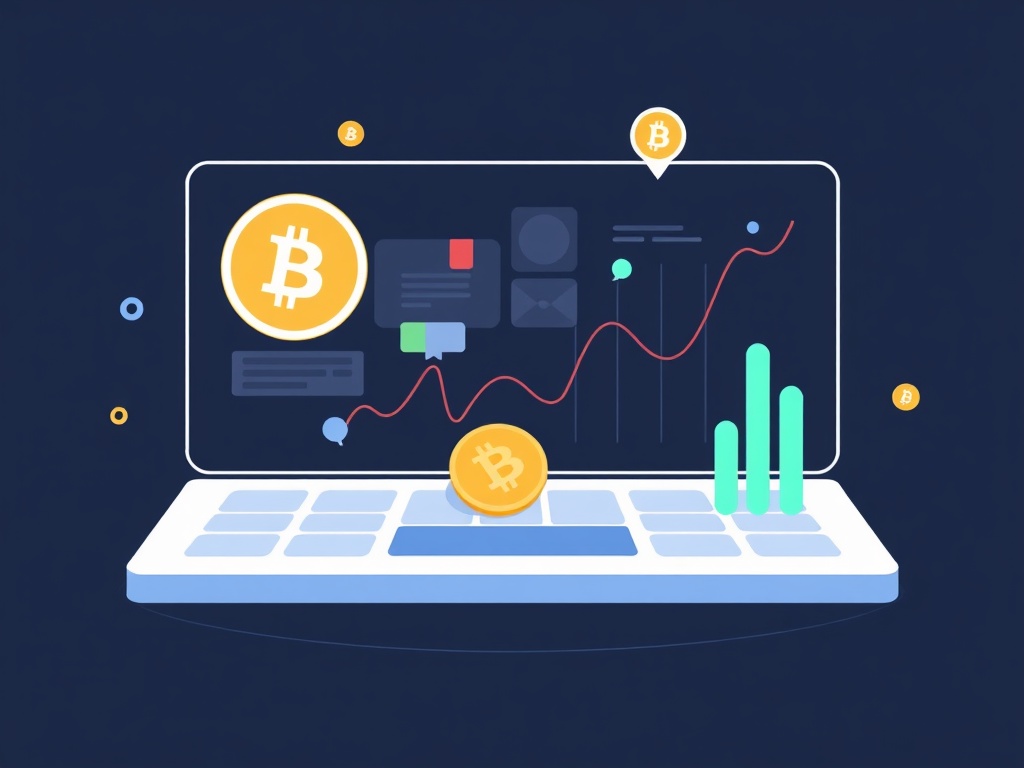
In the rapidly evolving world of cryptocurrency, the need for transparency, security, and accountability has never been more critical. As digital assets like Bitcoin and Ethereum gain mainstream adoption, thecomplexity of blockchain networks has grown exponentially. This is where a blockchain analytics platform becomes indispensable. These platforms serve as the backbone of modern cryptocurrency ecosystems, enabling users, businesses, and regulators to monitor, analyze, and secure transactions with precision. For platforms like Btcmixer, which facilitate the mixing of cryptocurrencies to enhance privacy, blockchain analytics tools play a pivotal role in ensuring compliance and mitigating risks. By leveraging advanced data analysis techniques, these platforms provide insights into transaction patterns, detect anomalies, and support regulatory frameworks. This article explores the significance, functionality, and impact of blockchain analytics platforms, particularly in the context of services like Btcmixer, and highlights their role in shaping the future of digital finance.
Understanding Blockchain Analytics Platforms
A blockchain analytics platform is a specialized software solution designed to monitor, analyze, and interpret data from blockchain networks. Unlike traditional financial systems, which rely on centralized databases, blockchain operates on a decentralized ledger, making it challenging to track transactions without specialized tools. These platforms aggregate data from multiple blockchain networks, process it using advanced algorithms, and present actionable insights to users. For instance, they can trace the movement of funds, identify suspicious activities, and verify the legitimacy of transactions. This capability is particularly crucial for services like Btcmixer, which operate in a gray area of regulatory scrutiny. By providing transparency, blockchain analytics platforms help bridge the gap between the anonymity of cryptocurrency transactions and the need for accountability.
The Core Functions of a Blockchain Analytics Platform
At its core, a blockchain analytics platform performs several key functions:
- Transaction Monitoring: Continuously tracks blockchain activity to detect unusual patterns or potential threats.
- Data Aggregation: Collects and organizes data from various blockchain networks, including Bitcoin, Ethereum, and others.
- Risk Assessment: Evaluates the risk associated with specific addresses, wallets, or transactions.
- Compliance Reporting: Generates reports to meet regulatory requirements, such as anti-money laundering (AML) and know-your-customer (KYC) standards.
These functions are essential for maintaining the integrity of cryptocurrency ecosystems. For example, a blockchain analytics platform can help identify if a transaction from Btcmixer is linked to illicit activities, allowing authorities to take appropriate action. Additionally, these platforms enable users to verify the authenticity of transactions, reducing the risk of fraud or theft.
The Importance of Blockchain Analytics in the Btcmixer Ecosystem
Btcmixer, like other cryptocurrency mixers, allows users to obscure the origin of their funds by mixing them with others. While this enhances privacy, it also raises concerns about potential misuse, such as money laundering or funding illegal activities. A blockchain analytics platform is vital in addressing these challenges by providing tools to trace transactions and ensure compliance. For instance, regulators can use these platforms to monitor Btcmixer’s operations and verify that it adheres to anti-money laundering (AML) laws. Similarly, businesses using Btcmixer can leverage analytics to assess the legitimacy of their transactions and avoid unintentional involvement in illicit activities.
How Blockchain Analytics Platforms Support Btcmixer Users
For users of Btcmixer, a blockchain analytics platform offers several benefits:
- Enhanced Security: By analyzing transaction histories, these platforms can flag suspicious activity, such as large or frequent transfers, which may indicate fraudulent behavior.
- Regulatory Compliance: Users can ensure their transactions comply with local and international regulations, reducing the risk of legal repercussions.
- Transparency: Analytics platforms provide detailed insights into the flow of funds, helping users understand the origin and destination of their cryptocurrency.
Moreover, these platforms can help users identify the most secure and reliable mixers, such as Btcmixer, by analyzing their transaction histories and reputation. This is particularly important in an industry where trust is paramount, and the risk of scams or hacks is ever-present.
How Blockchain Analytics Platforms Work
The operation of a blockchain analytics platform involves a combination of data collection, processing, and analysis. These platforms rely on a network of nodes, APIs, and machine learning algorithms to gather and interpret blockchain data. Here’s a breakdown of the process:
Data Collection and Aggregation
Blockchain analytics platforms begin by collecting data from various blockchain networks. This includes transaction records, wallet addresses, and smart contract interactions. For example, a platform might pull data from Bitcoin’s blockchain to track the movement of funds through Btcmixer. The data is then aggregated into a centralized database, where it is cleaned and structured for further analysis.
Advanced Analysis and Pattern Recognition
Once the data is collected, the platform uses advanced algorithms to identify patterns and anomalies. Machine learning models are trained to recognize suspicious behavior, such as repeated transactions from the same address or unusual spikes in activity. These insights are then presented to users in the form of reports, dashboards, or alerts. For instance, a blockchain analytics platform might detect a series of transactions from Btcmixer that match known patterns of money laundering, prompting further investigation.
Real-Time Monitoring and Alerts
One of the most critical features of a blockchain analytics platform is its ability to provide real-time monitoring. This is especially important for services like Btcmixer, where transactions can occur at high speeds. By setting up alerts for specific criteria—such as large transfers or transactions from high-risk addresses—users can respond quickly to potential threats. This proactive approach helps prevent fraud and ensures the security of the entire ecosystem.
Challenges and Limitations of Blockchain Analytics Platforms
Despite their numerous benefits, blockchain analytics platforms face several challenges. One of the primary issues is the complexity of blockchain data. Unlike traditional financial systems, which have standardized formats, blockchain data is often fragmented and unstructured. This makes it difficult for analytics platforms to process and interpret the information accurately. Additionally, the pseudonymous nature of blockchain transactions complicates the task of identifying the true parties involved in a transaction.
Privacy Concerns and Regulatory Hurdles
Another significant challenge is balancing privacy with transparency. While blockchain analytics platforms aim to enhance security, they must also respect user privacy. For example, tracking transactions from Btcmixer could inadvertently expose the identities of users who value anonymity. This tension between transparency and privacy has led to regulatory debates, with some jurisdictions imposing strict rules on how blockchain data can be used. As a result, analytics platforms must navigate a complex legal landscape to ensure compliance while maintaining user trust.
Data Accuracy and Scalability
Ensuring the accuracy of data is another hurdle. Blockchain networks are constantly evolving, with new protocols and updates being introduced regularly. A blockchain analytics platform must stay up-to-date with these changes to provide reliable insights. Furthermore, as the number of transactions on blockchain networks grows, scalability becomes a concern. Platforms must invest in robust infrastructure to handle the increasing volume of data without compromising performance.
Future Trends in Blockchain Analytics
The future of blockchain analytics platforms is shaped by advancements in technology and evolving regulatory requirements. One emerging trend is the integration of artificial intelligence (AI) and machine learning to improve the accuracy and efficiency of data analysis. These technologies enable platforms to detect complex patterns that traditional methods might miss, making them more effective in identifying illicit activities.
Integration with Decentralized Finance (DeFi)
As decentralized finance (DeFi) gains traction, blockchain analytics platforms are adapting to monitor and analyze DeFi transactions. Unlike traditional financial systems, DeFi operates on smart contracts and decentralized applications (dApps), which present unique challenges for analytics. Platforms are developing specialized tools to track these transactions, ensuring that DeFi users and regulators can maintain transparency and compliance.
Collaboration Between Industry Stakeholders
Another key trend is the growing collaboration between blockchain analytics platforms, cryptocurrency exchanges, and regulatory bodies. By sharing data and insights, these stakeholders can create a more secure and transparent ecosystem. For example, a blockchain analytics platform might partner with Btcmixer to develop customized solutions that address the specific needs of its users while complying with regulatory standards.
Conclusion: The Growing Significance of Blockchain Analytics Platforms
In conclusion, a blockchain analytics platform is a critical tool for navigating the complexities of the cryptocurrency landscape. From enhancing security and compliance to enabling real-time monitoring, these platforms play a vital role in ensuring the integrity of blockchain networks. For services like Btcmixer, which operate in a high-risk environment, the ability to analyze and trace transactions is essential for maintaining trust and legitimacy. As the industry continues to evolve, the importance of blockchain analytics platforms will only grow, driving innovation and fostering a more secure digital economy. By embracing these technologies, users and businesses can confidently participate in the cryptocurrency space, knowing that their transactions are being monitored and protected by advanced analytics solutions.

Blockchain Analytics Platforms: Revolutionizing Transparency in Digital Asset Ecosystems
As a Senior Crypto Market Analyst with over 12 years of experience in digital asset analysis and blockchain market research, I’ve witnessed the transformative role of blockchain analytics platforms in reshaping how we understand and interact with decentralized systems. These platforms are no longer just tools for tracking transactions; they’ve become critical infrastructure for ensuring compliance, mitigating risks, and fostering trust in an increasingly complex crypto landscape. By leveraging advanced data science and on-chain intelligence, blockchain analytics platforms enable stakeholders—from institutional investors to regulatory bodies—to decode the opaque nature of blockchain networks. This shift is particularly vital as the industry matures, with regulators demanding greater visibility into activities like money laundering, fraud, and market manipulation. Without robust analytics, the crypto ecosystem risks remaining a fragmented, high-risk space for both users and institutions.
From a practical standpoint, blockchain analytics platforms offer actionable insights that directly impact decision-making. For instance, they allow users to trace the flow of funds across multiple wallets, identify suspicious patterns, and assess the legitimacy of DeFi protocols. In my work, I’ve seen how these tools help institutional players evaluate the risk profiles of emerging projects, ensuring they align with compliance frameworks like AML/KYC. Moreover, they provide real-time data on network congestion, transaction fees, and smart contract vulnerabilities, which are essential for optimizing user experiences and reducing operational costs. However, the effectiveness of these platforms hinges on their ability to adapt to evolving blockchain architectures. As Layer 2 solutions and cross-chain interoperability gain traction, analytics tools must evolve to maintain accuracy and relevance, or risk becoming obsolete in a rapidly changing environment.
Looking ahead, the future of blockchain analytics platforms will likely be defined by their integration with artificial intelligence and machine learning. These technologies can enhance predictive capabilities, enabling proactive risk management and more nuanced market analysis. For example, AI-driven analytics could forecast market trends by correlating on-chain activity with macroeconomic indicators, offering a competitive edge to savvy investors. Nevertheless, the industry must address challenges such as data privacy concerns and the potential for over-reliance on automated systems. As a market analyst, I believe that blockchain analytics platforms will remain indispensable, but their success will depend on balancing innovation with ethical considerations. In an era where transparency is non-negotiable, these platforms are not just tools—they’re the backbone of a more accountable and resilient crypto ecosystem.