russia mining legalization: Balancing Regulation and Innovation in the Crypto Sector
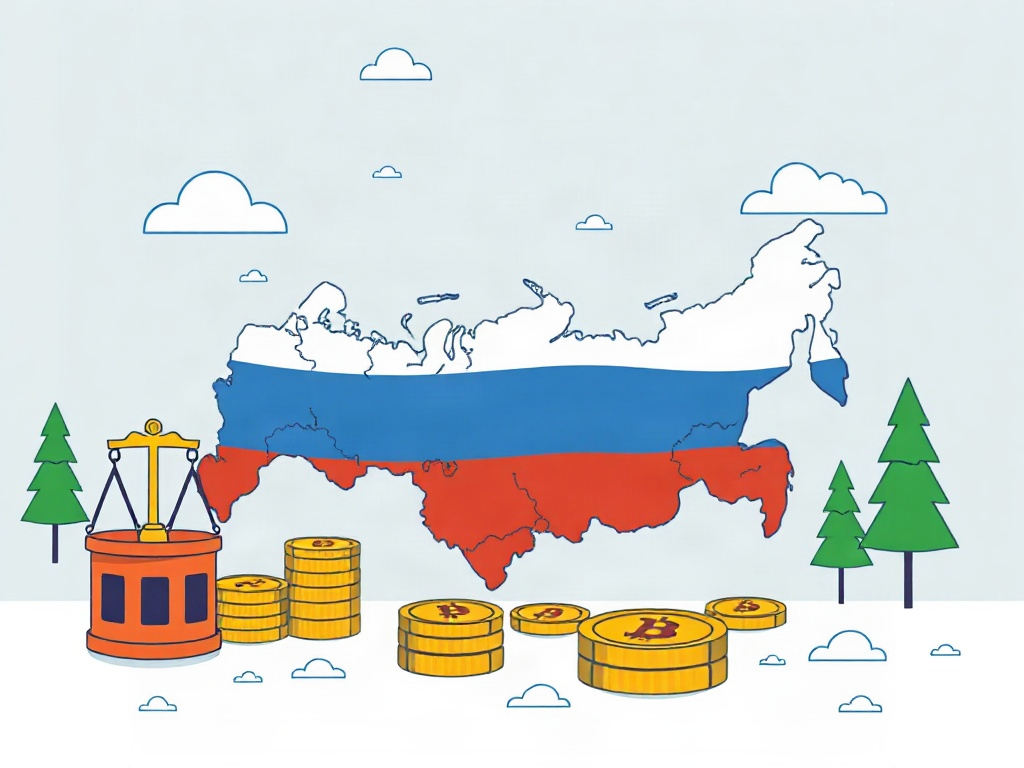
The global cryptocurrency landscape has long been shaped by geopolitical decisions, and few topics have generated as much debate as russia mining legalization. As one of the world's largest energy producers and a growing hub for mining operations, Russia's policy shifts carry weight across markets, affecting everything from hash rate distribution to the viability of ancillary services such as mixing platforms operating in the btcmixer_en niche. Understanding the trajectory of russia mining legalization requires a look at the historical context, the regulatory mechanics currently in motion, and the broader economic and environmental implications that will define the next phase of crypto infrastructure development.
In recent years, the Russian government has oscillated between restrictive measures and pragmatic recognition of the mining industry's potential. Early crackdowns, driven by concerns over energy grid stability and capital flight, created a volatile environment for operators. However, the tide has turned as policymakers recognize that a structured framework can harness the sector's benefits while mitigating risks. The ongoing push toward russia mining legalization is not merely a domestic affair; it signals how emerging economies are attempting to balance innovation with oversight, setting precedents that influence global regulatory harmonization.
Historical Context and Recent Developments
Early Restrictions and Energy Concerns
The initial phase of russia mining legalization efforts was marked by uncertainty. Between 2018 and 2021, regional bans and temporary moratoriums reflected genuine anxieties about electricity consumption. Mining operations, often located in regions with subsidized power, were seen as straining local grids during peak demand periods. These restrictions, while environmentally motivated, inadvertently pushed much of the activity underground or into jurisdictions with looser controls, complicating efforts to track and tax the industry fairly.
Legislative Shifts Toward Formalization
By 2022, a consensus emerged among policymakers that prohibition was unsustainable. The introduction of the "Digital Financial Assets" framework marked a turning point, positioning mining as a legitimate industrial activity rather than a gray‑area operation. Subsequent drafts of the "russia mining legalization" bill proposed clear licensing requirements, energy usage caps, and mandatory reporting for operators. These measures aim to bring transparency to a sector that had long operated in the shadows, while still preserving the competitive advantage that cheap energy provides.
Current Status and Future Outlook
As of 2024, russia mining legalization is transitioning from proposal to implementation. The Ministry of Energy, in coordination with the Central Bank, has outlined a phased rollout: existing miners are granted amnesty periods to regularize their status, new entrants must obtain permits based on energy efficiency standards, and a national registry will track hash rate contributions. This structured approach not only protects energy infrastructure but also positions Russia as a regulated player in the global mining arena, potentially influencing how other nations draft their own policies.
Regulatory Mechanics: How Legalization Works
Licensing and Compliance Requirements
The core of russia mining legalization lies in its licensing regime. Operators must register with the Federal Tax Service and obtain a mining license from the Ministry of Energy. Key compliance criteria include submission of energy consumption data, proof of ownership or lease agreements for mining hardware, and adherence to noise and environmental standards. Failure to comply results in heavy fines or forced shutdowns, ensuring that the legal framework carries real enforcement power rather than remaining a symbolic gesture.
Energy Tariffs and Tariff Structures
A critical component of the legalization process is the restructuring of energy tariffs. Previously, many miners benefited from industrial rates that were significantly lower than residential prices. Under the new framework, a tiered system will apply: highly efficient operations using renewable energy sources enjoy preferential rates, while less efficient setups face premium pricing. This mechanism incentivizes greener technology adoption and helps stabilize the grid by discouraging wasteful consumption patterns.
Taxation and Financial Reporting
Taxation has been one of the most contentious aspects of russia mining legalization. The government proposes a progressive tax based on revenue and energy usage, with rates calibrated to prevent capital flight while ensuring meaningful contributions to the national budget. Additionally, miners are required to integrate with Russia's existing financial monitoring systems, reporting transaction volumes and wallet addresses. This integration is particularly relevant for services in the btcmixer_en niche, as it enhances traceability and helps distinguish legitimate mining proceeds from potentially illicit flows.
Economic Impacts and Mining Viability
Market Dynamics and Hash Rate Distribution
The formalization of russia mining legalization is expected to reshuffle global hash rate distribution. While some operators may relocate to jurisdictions with even more favorable conditions, many will choose to stay and comply, drawn by the stability that a clear legal path provides. This retention of infrastructure can help maintain network security and decentralization, preventing abrupt shifts that could destabilize blockchain protocols. Moreover, a regulated Russian sector opens doors for institutional investment, as funds increasingly demand compliance certifications before allocating capital.
Job Creation and Skill Development
Impact on Mining Hardware Supply Chains
The legalization wave is also influencing hardware procurement and supply chains. With clear regulations, large-scale miners are more willing to invest in next‑generation ASICs and energy‑efficient rigs, driving demand for newer technologies. This, in turn, encourages manufacturers to innovate faster, reducing the total cost of ownership over time. For smaller operators within the btcmixer_en ecosystem, access to refurbished, compliant hardware at lower price points could lower the barrier to entry, allowing more participants to engage with mining‑backed services without exorbitant upfront costs.
Technological and Environmental Dimensions
Renewable Energy Integration
One of the most forward‑looking aspects of russia mining legalization is its emphasis on renewable energy adoption. Russia possesses vast untapped potential in hydro, wind, and solar, particularly in Siberia and the Far East. The legal framework encourages miners to source power from these green grids, offering tax breaks and faster licensing for projects that demonstrate a measurable reduction in carbon footprint. This shift not only addresses environmental criticisms but also future‑proofs the industry against upcoming EU carbon border adjustments and similar global measures.
Energy Grid Stability and Load Management
Critics of mining often point to grid instability, especially during extreme weather events. The russia mining legalization strategy includes mandatory load‑balancing protocols, requiring operators to curtail consumption during peak demand or to invest in on‑site storage solutions such as batteries or hybrid systems. By integrating mining operations into broader energy management strategies, the government aims to transform miners from perceived burdens into flexible assets that can support grid resilience through demand response programs.
Carbon Accounting and Verification
To ensure credibility, the legalization process incorporates carbon accounting requirements. Miners must submit periodic reports verified by third‑party auditors, detailing emissions associated with their energy mix. This data will be publicly accessible, promoting transparency and allowing investors and consumers to make informed choices. For platforms operating in the btcmixer_en space, access to verified carbon‑neutral mining data could become a competitive differentiator, appealing to environmentally conscious users and aligning with global sustainability trends.
The btcmixer_en Perspective and Global Ripple Effects
Implications for Crypto Mixing and Privacy Services
The intersection of russia mining legalization and the btcmixer_en niche is particularly intriguing. As mining becomes more regulated and transparent, the provenance of mined coins improves. This enhanced traceability does not necessarily undermine the need for mixing services; rather, it shifts their role. Legitimate miners seeking to privacy‑protect their rewards can still benefit from mixing platforms, but the services must adapt by offering compliance‑friendly solutions that respect both user anonymity and regulatory expectations. The btcmixer_en ecosystem, therefore, stands to gain from a more legitimate mining base, which can supply "cleaner" coins that are easier to integrate into compliant financial pathways.
Cross‑Border Regulatory Harmonization
Russia's approach to russia mining legalization will likely influence neighboring jurisdictions and global standard‑setters. Countries watching the Russian model can benchmark their own regulatory experiments, adjusting tariff structures, licensing fees, and environmental mandates accordingly. For international mixing services, this means a more predictable landscape for sourcing and processing assets. Harmonized standards reduce the risk of sudden regulatory shocks, enabling smoother operations across borders and fostering a more integrated global crypto economy.
Investment and Capital Flows
Institutional investors are increasingly risk‑averse when it comes to unregulated mining exposure. The clarity provided by russia mining legalization is expected to unlock significant capital inflows into Russian‑based operations, as well as into associated services such as custody, compliance, and mixing platforms. The btcmixer_en niche could see increased funding as investors seek diversified exposure to the crypto ecosystem, balancing high‑growth mining ventures with privacy‑focused services that cater to a maturing user base demanding both performance and discretion.
Future Challenges and Opportunities
While the trajectory of russia mining legalization is promising, challenges remain. Enforcement consistency across Russia's vast territory, preventing regulatory arbit

Russia Mining Legalization: Assessing DeFi and Web3 Infrastructure Impacts
As Robert Hayes, a DeFi and Web3 analyst specializing in protocol architecture and token economics, I interpret the russia mining legalization trend as a regulatory inflection point that could reshape the economic layer beneath many yield farming and liquidity mining operations. Historically, mining legality has dictated hash rate geography, and the formalization of mining in Russia introduces a new variable into the decentralization equations that governance tokens use to weight risk and reward. This shift may enable more predictable token emissions for mining-linked protocols, particularly those integrating proof-of-work exposure through synthetic or derivative instruments.
Practically, legalization lowers the operational friction for miners seeking institutional capital, which could deepen liquidity pools across DeFi platforms that tokenize mining rewards. For Web3 infrastructure, clearer jurisdictional frameworks often accelerate the onboarding of capital-efficient participants, yet they also necessitate rigorous compliance mapping against AML and KYC standards. I anticipate that governance frameworks will need to adjust voting weightings and parameter controls to account for the altered mining distribution, especially if Russian entities begin participating in or influencing pool governance mechanisms.
In summary, while the russia mining legalization policy opens pathways for expanded market participation and more stable mining economics, it demands a calibrated risk approach within DeFi portfolios. Stakeholders should monitor cross-border regulatory harmonization and the resultant impact on tokenized mining exposure, ensuring that governance token models remain resilient to geopolitical undercurrents. As the sector matures, the convergence of state-sanctioned mining and decentralized finance will likely define the next frontier of infrastructure-driven value accrual.