
Navigating Money Laundering Law Cryptocurrency Compliance in the btcmixer_en Era
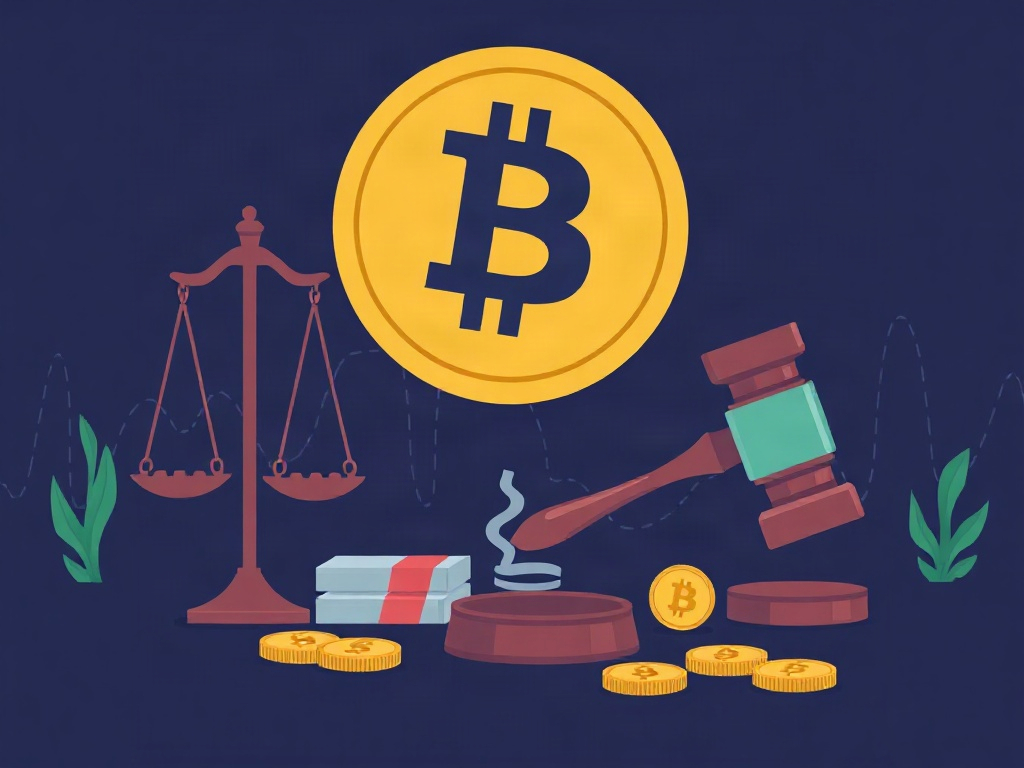
The rapid evolution of digital assets has placed money laundering law cryptocurrency regulations at the forefront of global financial oversight. As governments and regulatory bodies race to keep pace with innovative platforms like btcmixer_en, understanding the intersection of legal frameworks and technological deployment becomes imperative for exchanges, wallet providers, and compliance officers alike. The decentralized nature of blockchain networks, combined with the pseudonymous characteristics of wallet addresses, has historically created fertile ground for illicit financial flows. Consequently, jurisdictions worldwide are enacting stricter mandates, imposing hefty penalties on entities that fail to implement robust anti-money laundering (AML) protocols. In this environment, the money laundering law cryptocurrency landscape is not merely a legal concern but a strategic business imperative that demands continuous vigilance, adaptive compliance strategies, and a deep understanding of both the letter and spirit of the law.
Historically, the absence of clear regulatory guidance allowed bad actors to exploit gaps in oversight, utilizing mixing services, tumblers, and cross-chain bridges to obscure the origin of funds. However, the tide is turning. Regulatory agencies such as the Financial Action Task Force (FATF) have issued comprehensive recommendations that directly address the risks associated with cryptocurrency mixing services. These guidelines emphasize the "Travel Rule," requiring virtual asset service providers (VASPs) to collect and share customer information for transactions above certain thresholds. For platforms operating within or interacting with the btcmixer_en ecosystem, this means that compliance is no longer optional—it is a foundational requirement for operational legitimacy and long-term sustainability.
The Evolution of Money Laundering Law Cryptocurrency Regulations
Historical Context and Early Gaps
In the early days of Bitcoin and other major cryptocurrencies, the regulatory framework was virtually nonexistent. The pseudonymous nature of transactions, coupled with the lack of centralized intermediaries, meant that traditional AML mechanisms—such as know-your-customer (KYC) checks and transaction monitoring—were largely inapplicable. This regulatory vacuum inadvertently created a playground for money launderers, who leveraged the perceived anonymity of digital assets to move funds across borders without detection. Early high-profile cases involving darknet markets and ransomware payments underscored the urgent need for a more structured approach to money laundering law cryptocurrency enforcement.
Modern Enforcement Mechanisms
Today, the landscape has shifted dramatically. Regulatory bodies have moved from reactive stance to proactive framework development. The FATF's "Red Flags" guidance, the European Union's Fifth Anti-Money Laundering Directive (5AMLD), and the United States' Financial Crimes Enforcement Network (FinCEN) regulations have collectively raised the bar for compliance. These mechanisms mandate real-time transaction monitoring, risk-based customer profiling, and mandatory reporting of suspicious activities. For entities associated with btcmixer_en, implementing these mechanisms involves integrating sophisticated analytics tools, maintaining immutable audit trails, and ensuring that staff are regularly trained on the latest money laundering law cryptocurrency requirements.
Core Components of Money Laundering Law Cryptocurrency Compliance
Effective compliance with money laundering law cryptocurrency regulations rests on several pillars. First and foremost is the implementation of a robust KYC program. This involves verifying the identity of users through government-issued documentation, biometric verification, and cross-referencing against global watchlists. Second, transaction monitoring systems must be deployed to detect anomalous patterns, such as rapid succession of small deposits, structuring attempts, or interactions with high-risk jurisdictions. Third, ongoing staff training ensures that personnel can recognize evolving threats and apply regulatory guidelines correctly. Finally, regular independent audits provide an objective assessment of the effectiveness of existing controls, identifying gaps before they can be exploited.
- Customer Due Diligence (CDD): Verifying user identities and assessing risk profiles based on transaction history, geographic location, and intended use of the platform.
- Enhanced Due Diligence (EDD): Applying stricter scrutiny for users from high-risk countries, politically exposed persons (PEPs), and entities involved in virtual asset mixing services.
- Transaction Monitoring: Utilizing machine learning algorithms and rule-based engines to flag suspicious activities in real time, ensuring compliance with money laundering law cryptocurrency mandates.
- Reporting Obligations: Filing Suspicious Activity Reports (SARs) and adhering to the Travel Rule for cross-border transactions exceeding specified thresholds.
The btcmixer_en Framework and AML Implications
The emergence of specialized platforms like btcmixer_en has introduced new dynamics into the money laundering law cryptocurrency discourse. Designed to enhance transaction privacy and efficiency, such services inherently balance user confidentiality with regulatory compliance. While the primary objective of btcmixer_en may be to provide legitimate users with improved privacy features, the platform's operational design must align with global AML standards to avoid classification as a non-compliant VASP. This alignment involves implementing strict transaction limits, maintaining detailed logs of all mixing activities, and cooperating with law enforcement agencies when warranted. Moreover, the platform must navigate the delicate task of proving its utility for legitimate privacy seekers while preventing exploitation by malicious actors. Failure to strike this balance can result in severe legal consequences, including asset freezes, operational shutdowns, and criminal liability for executives.
In practice, btcmixer_en operators are increasingly adopting a "compliance-by-design" approach. This entails embedding AML controls into the core architecture of the platform, rather than treating them as afterthought add-ons. By leveraging blockchain analytics firms, implementing address tagging, and establishing clear terms of service that prohibit illicit use, btcmixer_en can demonstrate its commitment to responsible innovation. Additionally, transparent reporting mechanisms and regular third-party audits serve as powerful tools to build trust with regulators and the broader financial ecosystem. As the regulatory spotlight intensifies, platforms that proactively integrate these measures will not only avoid penalties but also position themselves as leaders in the responsible use of cryptographic privacy tools.
Practical Strategies for Businesses Under Money Laundering Law Cryptocurrency Mandates
- Conduct a Comprehensive Risk Assessment: Identify specific vulnerabilities within your platform's architecture and operational workflows. This assessment should account for the unique features of services like btcmixer_en, including mixing algorithms, deposit/withdrawal patterns, and cross-chain interoperability.
- Implement a Tiered KYC Framework: Differentiate verification requirements based on transaction volume and risk level. Low-risk users may undergo simplified checks, while high-volume or high-frequency traders undergo rigorous EDD procedures.
- Deploy Advanced Monitoring Tools: Invest in AI-driven analytics capable of detecting subtle indicators of money laundering, such as structuring, layering, and integration patterns. These tools should be calibrated to align with current money laundering law cryptocurrency guidelines.
- Establish Clear Internal Policies: Develop comprehensive AML policies that cover customer onboarding, transaction monitoring, incident response, and regulatory reporting. Ensure these policies are living documents, updated regularly to reflect legislative changes.
- Foster Regulatory Relationships: Engage proactively with local and international regulatory bodies. Early dialogue can provide clarity on ambiguous requirements and demonstrate your commitment to compliance, potentially mitigating penalties in the event of inadvertent violations.
Furthermore, businesses should consider establishing a dedicated compliance officer role, tasked with overseeing all aspects of money laundering law cryptocurrency adherence. This individual should possess a blend of legal expertise, technical understanding of blockchain technology, and practical experience in AML operations. Regular training sessions, workshops, and participation in industry forums can keep the compliance team abreast of emerging trends and regulatory updates. By embedding a culture of compliance within the organization, businesses

Navigating the money laundering law cryptocurrency landscape: compliance, innovation, and regulatory foresight
As Sarah Mitchell, Blockchain Research Director at a prominent distributed ledger technology consultancy, I have spent the last eight years translating complex DLT concepts into actionable financial frameworks. The explosive growth of cryptocurrency has created a regulatory gap where many traditional anti-money laundering statutes struggle to keep pace with decentralized innovation. My background in smart contract security and tokenomics gives me a unique vantage point to assess how value moves on-chain and where the intersections with statutory obligations like the money laundering law cryptocurrency mandates truly matter.
Practically speaking, compliance in this space demands more than surface-level KYC; it requires integrated on-chain analytics that can trace transaction flows, identify sanctioned addresses, and flag anomalous patterns in real time. The immutable nature of blockchain means that compliance gaps are permanently recorded, making proactive design choices critical. Smart contract architecture, for instance, must embed transparency and auditability from the ground up, ensuring that tokenomics do not inadvertently create loopholes that bad actors could exploit under the guise of regulatory ambiguity.
Looking forward, the most resilient approach is one where compliance and innovation are not viewed as opposing forces but as complementary pillars of trust. Industry-wide collaboration on technology-agnostic standards, combined with developer education on regulatory expectations, can shape token designs that inherently reduce laundering risks. For organizations that adopt a "compliance-by-design" mindset, the evolving money laundering law cryptocurrency landscape becomes not just a risk management challenge, but a strategic advantage in building institutional-grade credibility.