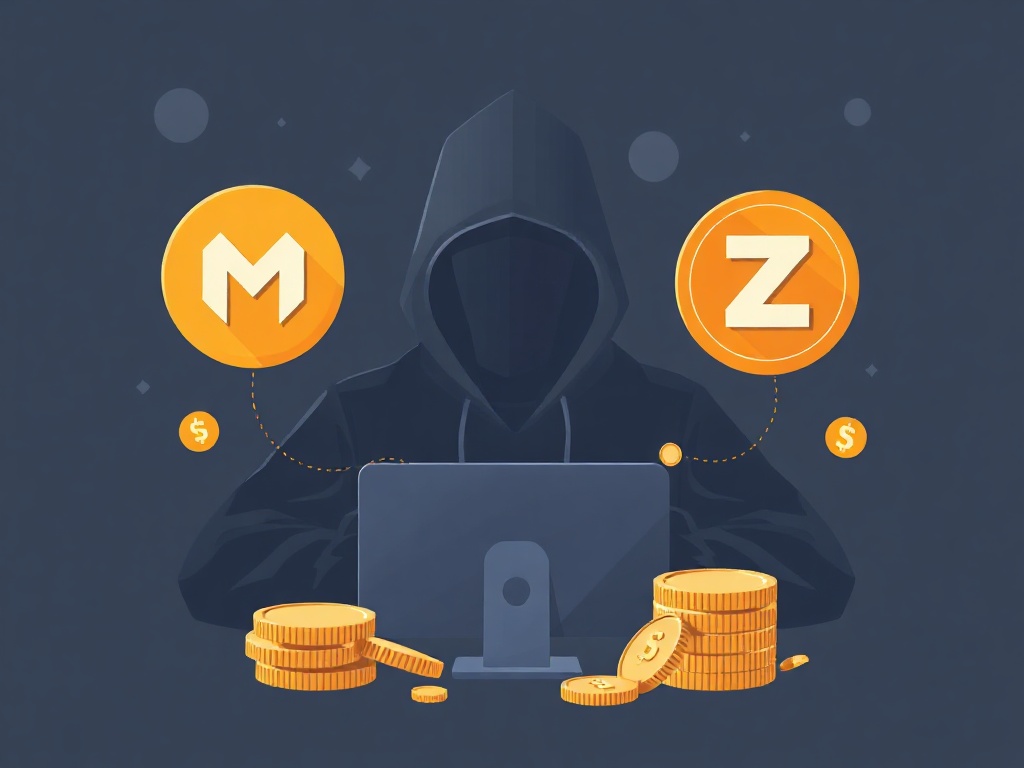
Mixing Bitcoin to Protect Against Chain Analysis: A Comprehensive Guide to Enhancing Privacy

In the rapidly evolving world of cryptocurrency, privacy has become a critical concern for users. As blockchain technology continues to gain mainstream adoption, the ability to trace transactions has also improved. This is where the concept of mixing bitcoin to protect against chain analysis comes into play. By obscuring the transaction trail, mixing services aim to safeguard users from potential threats posed by chain analysis. This article explores the mechanics of chain analysis, the role of bitcoin mixing, and how this process can be a powerful tool for maintaining financial anonymity.
Understanding Chain Analysis and Its Threats
Chain analysis refers to the process of tracking and analyzing blockchain transactions to uncover the origin and destination of funds. While this technology is often used for legitimate purposes, such as combating fraud or money laundering, it also poses significant risks to privacy. For individuals using bitcoin, the transparency of the blockchain can be a double-edged sword. Every transaction is recorded on a public ledger, making it possible for third parties to trace the flow of funds back to the original sender.
What is Chain Analysis?
Chain analysis involves examining the sequence of transactions on a blockchain to identify patterns, links, or anomalies. This can be done manually or through specialized software. For example, if a user sends bitcoin from one wallet to another, chain analysts can trace the transaction back to the initial source. This is particularly concerning for users who value privacy, as it could expose their financial activities to hackers, law enforcement, or other malicious actors.
How Chain Analysis Threatens Bitcoin Privacy
The primary threat of chain analysis lies in its ability to de-anonymize users. Even if a user employs multiple wallets or transactions, sophisticated tools can still piece together the puzzle. This is where the need for mixing bitcoin to protect against chain analysis becomes evident. By breaking the direct link between the sender and receiver, mixing services aim to make it significantly harder for analysts to trace the funds. However, it’s important to note that no method is entirely foolproof, and the effectiveness of mixing depends on the service used and the level of scrutiny applied.
The Role of Bitcoin Mixing in Privacy Protection
Bitcoin mixing, also known as tumbling or coin joining, is a technique designed to enhance privacy by obscuring the transaction trail. This process involves combining multiple users’ bitcoins into a single pool, which is then redistributed to different addresses. The goal is to make it difficult for anyone to determine which specific coins belong to which user. When executed correctly, mixing can be an effective way to mixing bitcoin to protect against chain analysis and maintain financial confidentiality.
What is Bitcoin Mixing?
Bitcoin mixing is a service provided by third-party platforms that act as intermediaries between users and the blockchain. Users send their bitcoins to the mixer, which then combines them with other users’ funds. After a certain period, the mixed coins are sent back to the user’s designated address. This process effectively breaks the chronological and transactional links that chain analysts rely on. However, the success of mixing depends on factors such as the mixer’s reputation, the amount of funds being mixed, and the complexity of the mixing process.
How Mixing Works to Disrupt Chain Analysis
The core principle of mixing is to introduce randomness into the transaction flow. By pooling funds from multiple users, the mixer ensures that no single transaction can be directly linked to a specific user. For instance, if Alice sends 1 BTC to a mixer, and the mixer combines it with 5 other users’ funds, the resulting output will be distributed to multiple addresses. This makes it extremely challenging for chain analysts to trace the original source of the funds. Additionally, some advanced mixers use techniques like coin joining or tumbler services to further complicate the analysis process.
The Process of Mixing Bitcoin to Protect Against Chain Analysis
Understanding the step-by-step process of mixing bitcoin is essential for users who want to leverage this technique effectively. While the exact methods may vary between services, the general approach involves several key stages. Each step is designed to maximize privacy and minimize the risk of chain analysis.
Steps Involved in Mixing Bitcoin
- Preparation: Users must first ensure their bitcoins are in a secure wallet. It’s advisable to use a wallet that supports privacy features or to move funds to a new address before mixing.
- Choosing a Mixer: Selecting a reputable mixing service is crucial. Users should research the mixer’s track record, security measures, and privacy policies. Some mixers offer additional features, such as multi-hop mixing or customizable output amounts.
- Sending Funds: Users transfer their bitcoins to the mixer’s designated address. It’s important to note that this step is irreversible, so users must double-check the address to avoid losing funds.
- Mixing Process: The mixer combines the user’s funds with those of other users. This can involve multiple rounds of mixing to further obscure the transaction trail. Some services also use advanced cryptographic techniques to enhance privacy.
- Receiving Mixed Funds: After the mixing process is complete, the mixer sends the mixed bitcoins to the user’s specified address. Users should wait for confirmations on the blockchain to ensure the transaction is finalized.
Choosing the Right Mixing Service
Not all mixing services are created equal. The effectiveness of mixing bitcoin to protect against chain analysis largely depends on the quality of the service used. Users should look for mixers that offer features like no-logs policies, high anonymity, and regular audits. Additionally, it’s important to consider the mixer’s reputation within the cryptocurrency community. Services with a history of security breaches or poor privacy practices should be avoided. Some users also opt for decentralized mixers, which operate without a central authority, further reducing the risk of compromise.
Benefits and Risks of Mixing Bitcoin for Chain Analysis Protection
While mixing bitcoin offers significant privacy benefits, it is not without its risks. Understanding both the advantages and potential drawbacks is essential for users who want to make informed decisions about their financial privacy.
Advantages of Using Mixing Services
- Enhanced Privacy: The primary benefit of mixing is the ability to obscure the transaction trail, making it harder for chain analysts to trace funds.
- Reduced Risk of Surveillance: By breaking the direct link between sender and receiver, mixing reduces the likelihood of being monitored by third parties.
- Compliance with Privacy Goals: For users who value financial autonomy, mixing provides a way to maintain control over their transactions without relying on centralized institutions.
Potential Risks and Considerations
- Service Reliability: If a mixing service is compromised or shut down, users could lose their funds. It’s crucial to choose a trustworthy provider.
- Regulatory Scrutiny: Some jurisdictions may view mixing as a tool for illegal activities. Users should be aware of local laws and regulations regarding cryptocurrency privacy.
- Limited Anonymity: While mixing can enhance privacy, it is not a foolproof solution. Advanced chain analysis techniques may still uncover traces of the original transaction.
Comparing Bitcoin Mixing with Other Privacy Techniques
Bitcoin mixing is just one of several methods users can employ to protect against chain analysis. Comparing it with other privacy techniques can help users determine the most suitable approach for their needs.
How Mixing Differs from Other Methods
Unlike other privacy techniques, such as using privacy coins or multi-signature wallets, mixing specifically targets the transaction trail. Privacy coins, for example, use different blockchain protocols to obscure transaction details, while multi-signature wallets require multiple approvals for transactions. Mixing, on the other hand, focuses on breaking the direct link between sender and receiver, making it a unique solution for chain analysis protection. However, each method has its own strengths and limitations, and users may choose to combine multiple techniques for maximum privacy.
When to Use Mixing vs. Other Strategies
The decision to use mixing should be based on the user’s specific circumstances. For instance, if a user is concerned about a specific transaction being traced, mixing can be an effective short-term solution. However, for long-term privacy, a combination of methods—such as using a privacy-focused wallet and mixing—may be more beneficial. It’s also important to consider the level of scrutiny the user is willing to accept. In high-risk scenarios, mixing may not be sufficient, and additional measures may be necessary.
In conclusion, mixing bitcoin to protect against chain analysis is a valuable tool for enhancing financial privacy in the cryptocurrency space. While it offers significant benefits, users must carefully evaluate the risks and choose reliable services. By understanding the process and comparing it with other privacy techniques, individuals can make informed decisions to safeguard their digital assets.

Mixing Bitcoin to Protect Against Chain Analysis: A Strategic Approach to Enhancing Privacy in Digital Asset Transactions
As a quantitative analyst with a focus on on-chain analytics and market microstructure, I’ve observed that the transparency of blockchain technology, while a cornerstone of its innovation, also presents significant risks for users seeking privacy. Mixing Bitcoin to protect against chain analysis is a technique that leverages the decentralized nature of cryptocurrencies to obscure transaction trails. By routing funds through multiple wallets or services, this method disrupts the direct linkage between sender and receiver, making it harder for analysts to trace illicit or sensitive activities. From a strategic perspective, this approach aligns with portfolio optimization principles, where risk mitigation is as critical as return maximization. However, it’s not a one-size-fits-all solution; the effectiveness of mixing depends on the complexity of the process, the trustworthiness of intermediaries, and the evolving sophistication of chain analysis tools. Investors and users must weigh the trade-offs between privacy and compliance, as regulatory scrutiny often targets mixing services as potential enablers of money laundering.
Practically, mixing Bitcoin requires careful consideration of both technical and operational factors. For instance, using decentralized mixers or privacy-focused protocols can reduce reliance on centralized entities, which may be vulnerable to audits or regulatory pressure. However, these solutions often come with trade-offs, such as reduced transaction speed or increased fees. My experience in market microstructure has shown that even minor inefficiencies in a system can be exploited by advanced analysts. Therefore, mixing should be part of a broader risk management framework, not a standalone tactic. It’s also important to recognize that while mixing can delay or obscure analysis, it is not infallible. Sophisticated chain analysis tools, including machine learning models trained on transaction patterns, can sometimes reverse-engineer mixed transactions. This underscores the need for continuous adaptation—users must stay informed about technological advancements and adjust their strategies accordingly. For institutional players, integrating mixing into a diversified privacy strategy might involve combining it with other methods like zero-knowledge proofs or multi-signature wallets to create layered defenses against chain analysis.