Anonymous Crypto Staking: Secure, Private, and Profitable Opportunities in the Digital Age
In the rapidly evolving world of cryptocurrency, anonymous crypto staking has emerged as a compelling option for investors seeking to grow their digital assets while maintaining privacy. Unlike traditional staking methods, which often require public identification or centralized platforms, anonymous crypto staking allows users to participate in blockchain networks without revealing their personal information. This approach not only enhances security but also aligns with the growing demand for decentralized and privacy-focused financial solutions. As the crypto ecosystem continues to expand, understanding the mechanics, benefits, and risks of anonymous crypto staking becomes essential for both newcomers and seasoned investors.
Understanding Anonymous Crypto Staking
What is Anonymous Crypto Staking?
Anonymous crypto staking refers to the process of locking up cryptocurrency in a blockchain network to support its operations, such as validating transactions or securing the network, while keeping the user’s identity private. Unlike conventional staking, which may require users to disclose their wallet addresses or personal details, anonymous crypto staking leverages privacy-enhancing technologies to ensure that participants remain untraceable. This is particularly appealing to individuals who prioritize financial anonymity or wish to avoid the risks associated with centralized exchanges.
How It Differs from Traditional Staking
Traditional staking typically involves using a centralized platform or a custodial service to lock up funds, which can expose users to risks such as hacking, regulatory scrutiny, or data breaches. In contrast, anonymous crypto staking often relies on decentralized networks and privacy-focused cryptocurrencies, such as Monero or Zcash, to obscure transaction details. By eliminating the need for intermediaries, this method reduces the likelihood of third-party interference and enhances user control over their assets.
The Technology Behind Anonymous Crypto Staking
The Role of Privacy Coins
Privacy coins like Monero (XMR) and Zcash (ZEC) play a pivotal role in enabling anonymous crypto staking. These cryptocurrencies use advanced cryptographic techniques, such as ring signatures and zero-knowledge proofs, to mask transaction details. When users stake these coins, their identities remain hidden, making it nearly impossible for third parties to trace their activities. This level of privacy is a cornerstone of anonymous crypto staking, as it allows participants to engage in staking without compromising their personal information.
Decentralized Staking Platforms
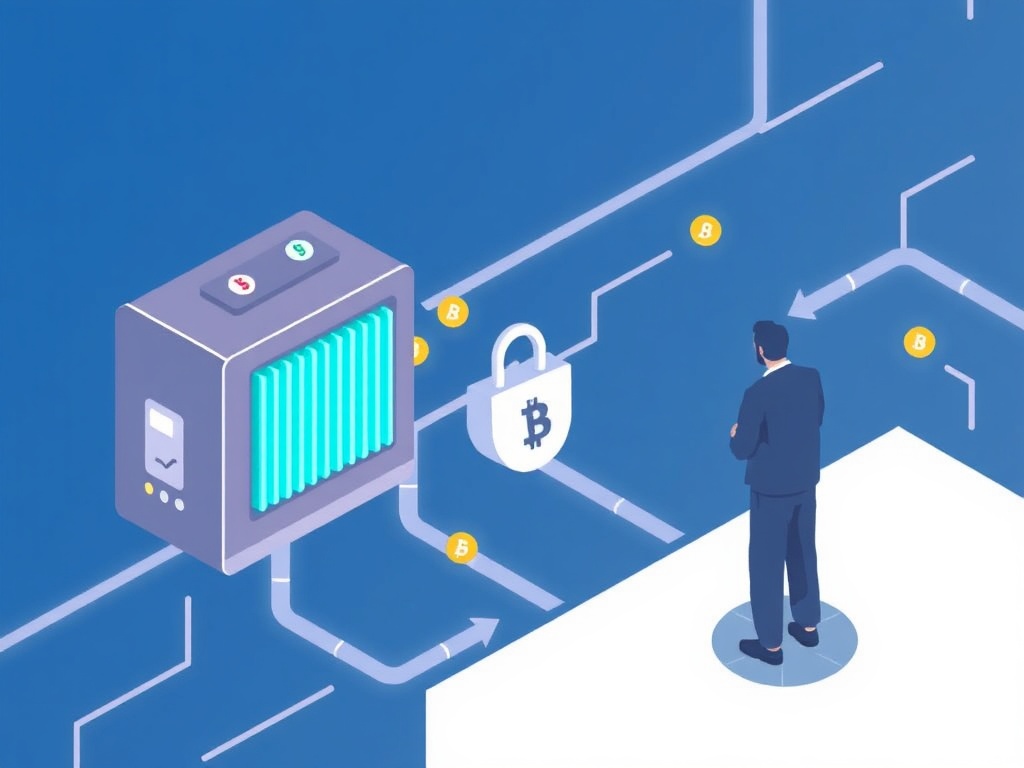
Decentralized staking platforms further enhance the security and privacy of anonymous crypto staking. Unlike centralized exchanges, which act as intermediaries, these platforms operate on blockchain networks that distribute control among users. For example, some platforms use smart contracts to automate staking processes, ensuring transparency while maintaining anonymity. By eliminating single points of failure, decentralized systems reduce the risk of censorship or manipulation, making them a preferred choice for privacy-conscious investors.
Benefits of Anonymous Crypto Staking
Enhanced Privacy and Security
One of the most significant advantages of anonymous crypto staking is the heightened level of privacy it offers. By using privacy coins and decentralized platforms, users can stake their assets without revealing their identities. This is particularly beneficial for individuals who wish to avoid surveillance or data harvesting by third parties. Additionally, the decentralized nature of these platforms minimizes the risk of hacking, as there is no central authority to target.
Potential for Higher Rewards
Another compelling benefit of anonymous crypto staking is the potential for higher rewards. Many privacy-focused networks offer competitive staking yields to incentivize participation. For instance, Monero’s staking rewards can be more lucrative than those of traditional proof-of-stake (PoS) networks, as the demand for privacy coins continues to grow. However, it’s important to note that rewards may vary depending on the network’s performance and the user’s contribution to the ecosystem.
Risks and Challenges of Anonymous Crypto Staking
Regulatory Uncertainty
While anonymous crypto staking offers numerous benefits, it also comes with regulatory challenges. Many governments are still grappling with how to classify and tax cryptocurrency activities, and privacy-focused staking may attract increased scrutiny. In some jurisdictions, the use of anonymous staking could be restricted or require additional compliance measures. Investors must stay informed about local regulations to avoid legal complications.
Security Vulnerabilities
Despite its privacy advantages, anonymous crypto staking is not without risks. Decentralized platforms and privacy coins can still be vulnerable to exploits, such as smart contract bugs or 51% attacks. Users must conduct thorough research and choose reputable platforms to mitigate these risks. Additionally, the complexity of privacy technologies may require a higher level of technical expertise, which could be a barrier for some investors.
How to Choose the Right Anonymous Staking Platform
Evaluating Platform Reputation
When selecting a platform for anonymous crypto staking, it’s crucial to assess its reputation and track record. Look for platforms that have a history of transparency, security, and user satisfaction. Community reviews, developer activity, and third-party audits can provide valuable insights into a platform’s reliability. Avoid platforms with a history of security breaches or questionable practices, as these could compromise your anonymity and funds.
Understanding Staking Requirements
Before committing to anonymous crypto staking, users should carefully review the platform’s requirements. Some networks may require a minimum stake amount, while others offer flexible options. Additionally, consider the lock-up period, which determines how long your funds will be unavailable for withdrawal. Balancing these factors with your investment goals and risk tolerance is essential for making an informed decision.
Best Practices for Secure Anonymous Staking
Using Hardware Wallets
To maximize the security of anonymous crypto staking, consider using hardware wallets to store your private keys. These physical devices provide an extra layer of protection against online threats, such as phishing attacks or malware. By keeping your keys offline, you reduce the risk of unauthorized access, ensuring that your staked assets remain safe.
Regularly Updating Software
Another critical practice for anonymous crypto staking is to keep your software and wallets up to date. Developers frequently release updates to address vulnerabilities and improve security features. Failing to update your tools could leave your staked assets exposed to potential threats. Set reminders to check for updates and apply them promptly to maintain a secure staking environment.
Conclusion: The Future of Anonymous Crypto Staking
Anonymous crypto staking represents a significant evolution in the way individuals interact with blockchain networks. By prioritizing privacy and decentralization, this method offers a compelling alternative to traditional staking models. However, it’s essential to approach anonymous crypto staking with caution, as the risks associated with regulatory uncertainty and security vulnerabilities cannot be ignored. As the crypto landscape continues to mature, the demand for privacy-focused solutions like anonymous crypto staking is likely to grow, making it a valuable option for forward-thinking investors.

The Rise of Anonymous Crypto Staking: Balancing Privacy and Regulatory Compliance in the Digital Asset Era
As a Senior Crypto Market Analyst with over 12 years of experience in digital asset analysis, I’ve observed a growing trend toward anonymous crypto staking as a response to heightened privacy concerns in blockchain ecosystems. Anonymous staking allows users to participate in network validation without revealing their identities, leveraging privacy-focused protocols or decentralized identity solutions. While this approach aligns with the ethos of decentralization, it introduces complexities around regulatory compliance and risk management. For instance, platforms enabling anonymous staking must navigate evolving global regulations, such as the EU’s MiCA framework, which mandates transparency for financial activities. From a practical standpoint, users must weigh the benefits of anonymity against potential vulnerabilities, such as increased exposure to fraud or misuse of staked assets.
Institutional adoption of anonymous crypto staking remains cautious, primarily due to compliance risks and the need for auditability. However, DeFi protocols are increasingly integrating privacy-preserving technologies like zero-knowledge proofs to enable anonymous participation while maintaining network integrity. As a market analyst, I’ve noted that projects prioritizing user privacy often attract niche communities but face challenges in scaling due to liquidity fragmentation. For example, anonymous staking pools may struggle to attract large institutional investors who require traceability for risk assessment. This dichotomy highlights a critical tension: balancing user autonomy with the accountability demanded by traditional financial systems.
Looking ahead, the future of anonymous crypto staking hinges on technological innovation and regulatory clarity. Advances in privacy-enhancing computation (PEC) could enable compliant anonymous staking by allowing selective disclosure of transaction data to regulators. Meanwhile, jurisdictions like Switzerland and Singapore are exploring sandbox environments to test privacy-centric financial products. As an analyst, I believe the key lies in fostering collaboration between developers, regulators, and users to create frameworks that protect privacy without compromising systemic stability. Anonymous crypto staking will likely remain a polarizing topic, but its evolution will be a barometer for the broader maturation of decentralized finance.