Zcash vs Monero Transaction Fees: A Comprehensive Analysis of Privacy and Cost Efficiency
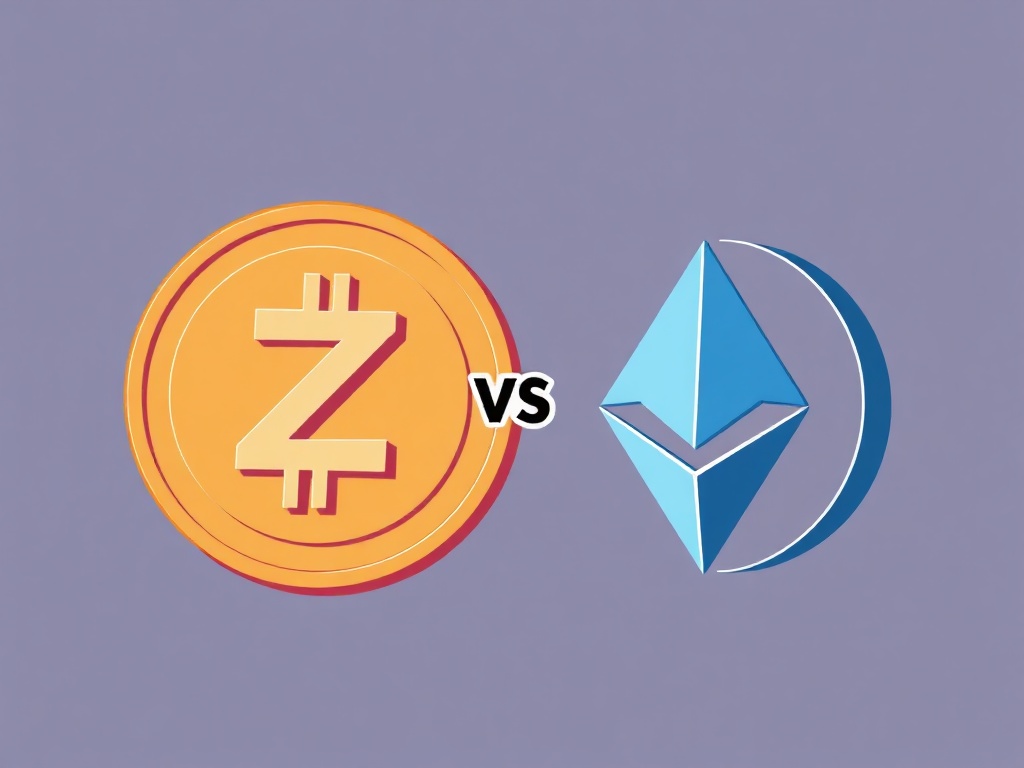
When evaluating privacy-focused cryptocurrencies, transaction fees often become a critical factor for users. The debate between Zcash vs Monero transaction fees is particularly relevant for those prioritizing both anonymity and cost-effectiveness. While both Zcash and Monero are designed to enhance privacy, their approaches to transaction fees differ significantly. This article explores the nuances of these fees, their implications for users, and how they align with the broader goals of privacy in digital transactions.
Understanding Transaction Fees in Privacy Coins
Transaction fees in privacy coins like Zcash and Monero are not just about moving funds; they reflect the complexity of maintaining user anonymity. Unlike traditional cryptocurrencies such as Bitcoin, where fees are primarily tied to network congestion, privacy coins incorporate additional layers of computation to obscure transaction details. This added complexity can influence the Zcash vs Monero transaction fees structure, making it essential to understand how each coin balances privacy with cost.
The Role of Privacy in Transaction Costs
- Zcash uses zero-knowledge proofs (ZKPs) to enable selective transparency, allowing users to choose between public and private transactions. This flexibility can affect fees, as private transactions require more computational resources.
- Monero employs ring signatures and stealth addresses to ensure all transactions are private by default. This inherent privacy mechanism may lead to higher fees compared to Zcash’s optional privacy model.
How Transaction Fees Differ Between Coins
- Zcash: Fees are often lower for transparent transactions, while shielded (private) transactions incur higher costs due to the computational demands of ZKPs.
- Monero: Fees are generally consistent across all transactions, as privacy is built into the protocol. However, during periods of high network activity, fees may rise due to increased demand for block space.
Zcash Transaction Fees: A Closer Look
The Zcash vs Monero transaction fees debate often centers on Zcash’s unique approach to privacy. Zcash allows users to opt for transparent or shielded transactions, each with distinct fee implications. This flexibility is a double-edged sword, as it empowers users to choose based on their needs but also complicates fee prediction.
Block Reward Mechanism and Fee Calculation
Zcash’s fee structure is influenced by its block reward system. Miners prioritize transactions based on fee rates, which can fluctuate depending on network demand. For shielded transactions, the inclusion of ZKPs increases the data size, potentially leading to higher fees. Users must weigh the cost of privacy against the urgency of their transaction.
Privacy vs. Cost Trade-Offs in Zcash
One of the key considerations in the Zcash vs Monero transaction fees comparison is the trade-off between privacy and cost. Shielded transactions in Zcash are more expensive than transparent ones, but they offer stronger anonymity. This makes Zcash a viable option for users who value privacy but are willing to pay a premium. However, for those seeking lower fees, transparent transactions may be more attractive, albeit with reduced privacy.
Monero Transaction Fees: The Privacy-Focused Approach
Monero’s design philosophy centers on universal privacy, which directly impacts its transaction fees. Unlike Zcash, Monero does not offer a choice between private and transparent transactions. This uniformity simplifies fee calculations but may result in higher costs compared to Zcash’s optional privacy model. The Zcash vs Monero transaction fees analysis often highlights this distinction as a critical factor for users prioritizing anonymity.
Built-In Privacy and Its Impact on Fees
Monero’s ring signatures and stealth addresses ensure that every transaction is private by default. This built-in privacy requires more computational resources, which can lead to higher fees. However, the predictability of Monero’s fee structure is a significant advantage. Users know exactly what to expect, making it easier to plan transactions without worrying about variable costs.
Fee Structure in Monero
- Monero uses a dynamic fee system where fees are determined by the size of the transaction and the available block space. During peak times, fees can spike, but they are generally more stable than in Zcash due to the absence of optional privacy layers.
- The Zcash vs Monero transaction fees comparison often notes that Monero’s fees are less sensitive to network congestion, as privacy is not an optional feature but a core component of the protocol.
Comparing Zcash and Monero Transaction Fees
When analyzing the Zcash vs Monero transaction fees, it’s essential to consider both the technical and user-centric aspects. Zcash’s flexibility allows for cost-effective transactions in specific scenarios, while Monero’s uniform privacy model offers predictability. However, the choice between the two often depends on the user’s priorities—whether they value lower fees or stronger privacy.
Key Differences in Fee Models
- Zcash: Fees vary based on transaction type (transparent vs. shielded). This variability can be both a benefit and a drawback, depending on the user’s needs.
- Monero: Fees are consistent across all transactions, reflecting the protocol’s commitment to privacy. This consistency is a major advantage for users who prefer simplicity.
User Experience and Cost Implications
For users new to privacy coins, the Zcash vs Monero transaction fees comparison can be daunting. Zcash’s optional privacy may appeal to those who want to minimize costs while still maintaining some level of anonymity. On the other hand, Monero’s all-in-one privacy approach is ideal for users who prioritize security over cost. The decision ultimately hinges on how much a user is willing to pay for privacy and how frequently they transact.
Factors Affecting Transaction Fees in Both Coins
Several external factors influence the Zcash vs Monero transaction fees landscape. Network congestion, block size limitations, and privacy settings all play a role in determining fees. Understanding these factors can help users make informed decisions about when and how to transact.
Network Congestion and Its Impact
Both Zcash and Monero are subject to network congestion, which can drive up fees. However, the impact differs due to their fee structures. In Zcash, shielded transactions may become more expensive during high traffic, as miners prioritize them for their complexity. Monero’s fees may also rise during congestion, but the predictability of its model can mitigate some of the uncertainty.
Privacy Settings and Fee Adjustments
In Zcash, users can adjust their privacy settings to influence fees. For example, opting for transparent transactions reduces costs but sacrifices privacy. Monero, however, does not allow such adjustments, as privacy is non-negotiable. This distinction is a key point in the Zcash vs Monero transaction fees analysis, as it affects how users manage their costs based on their privacy needs.
In conclusion, the Zcash vs Monero transaction fees debate is not just about numbers but about the values each coin represents. Zcash offers flexibility and cost control, while Monero prioritizes privacy at a potentially higher cost. By understanding these differences, users can choose the coin that best aligns with their financial and privacy goals.

Zcash vs Monero Transaction Fees: A Comparative Analysis of Privacy and Cost Efficiency
As a Senior Crypto Market Analyst with over 12 years of experience in digital asset analysis, I’ve observed that the debate around "Zcash vs Monero transaction fees" often centers on the trade-offs between privacy features and cost efficiency. Both Zcash and Monero are designed to offer enhanced privacy compared to transparent blockchains like Bitcoin, but their approaches to achieving this privacy—zero-knowledge proofs in Zcash versus ring signatures in Monero—directly impact transaction fees. From a practical standpoint, Zcash’s optional shielded transactions, which require computational resources to generate proofs, can lead to higher fees during periods of network congestion. Monero, on the other hand, integrates privacy into its core protocol through ring signatures and stealth addresses, which may result in more predictable fee structures. However, this predictability comes with its own challenges, as Monero’s fixed block rewards and supply dynamics can sometimes drive up fees during high-demand periods. Investors and users must weigh these technical nuances against their specific use cases, whether prioritizing absolute privacy or cost predictability.
When evaluating "Zcash vs Monero transaction fees" in real-world scenarios, it’s critical to consider how each protocol’s privacy mechanisms scale with network activity. Zcash’s zero-knowledge proofs, while powerful for anonymity, demand significant processing power, which can inflate fees when many users opt for shielded transactions simultaneously. This makes Zcash potentially less ideal for microtransactions or high-frequency use cases where cost is a primary concern. Monero’s design, by contrast, embeds privacy into every transaction without requiring optional proofs, which can lead to more stable fee rates under normal conditions. However, Monero’s fixed supply and growing adoption have occasionally led to fee spikes during market surges, as seen in late 2023. For institutional users or those managing large portfolios, this volatility might be a drawback. Practically, Zcash’s fee flexibility—allowing users to choose between transparent and shielded transactions—offers a strategic advantage for balancing privacy and cost, whereas Monero’s uniformity may suit users who prioritize seamless privacy without fee optimization concerns.
Ultimately, the choice between Zcash and Monero in terms of transaction fees hinges on a user’s risk tolerance and privacy requirements. For those needing discretion without sacrificing cost control, Zcash’s modular approach provides a tailored solution, albeit with potential fee variability. Monero’s all-in-one privacy model appeals to users seeking simplicity, though at the risk of higher fees during peak times. As a market analyst, I advise stakeholders to monitor network congestion patterns and protocol upgrades, as both ecosystems are evolving. For instance, Zcash’s recent advancements in scalable zero-knowledge proofs could reduce future fee burdens, while Monero’s community-driven development may address scalability challenges. In the context of "Zcash vs Monero transaction fees," the key takeaway is that neither protocol is universally superior—each has distinct cost-privacy dynamics that align with different strategic priorities in the crypto landscape."