
Understanding the seizure of bitcoin by government and Its Market Effects
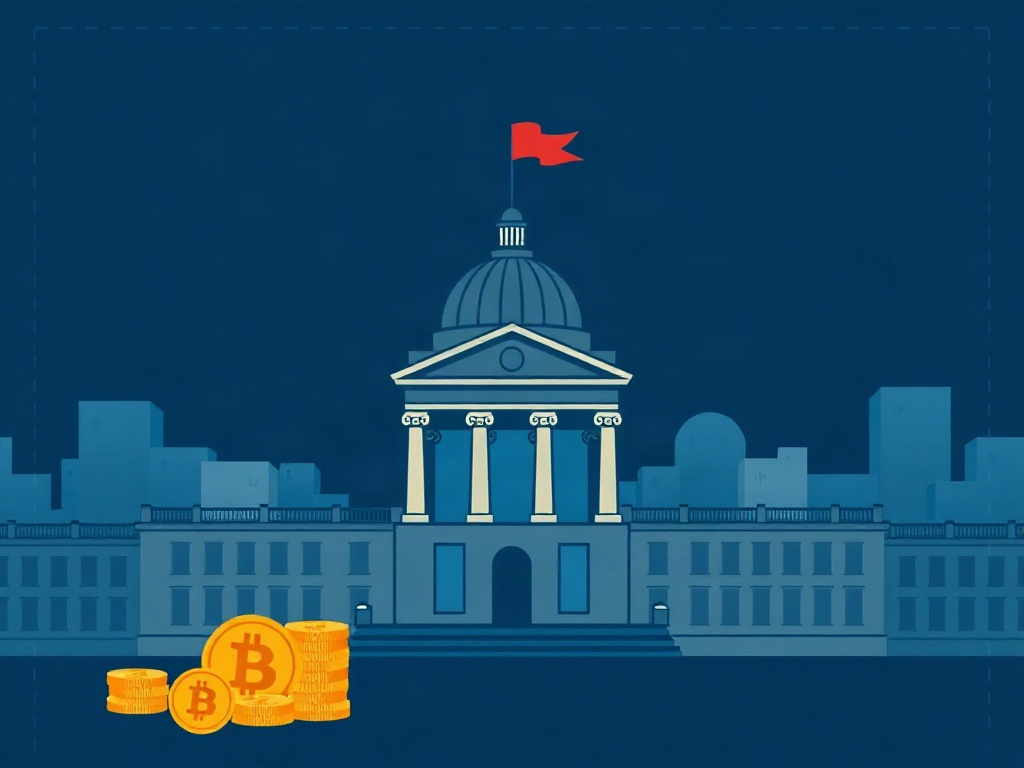
The landscape of digital assets has evolved rapidly over the past decade, bringing both unprecedented opportunities and complex regulatory challenges. Among the most significant developments for investors, entrepreneurs, and compliance professionals is the increasing frequency of the seizure of bitcoin by government agencies. As authorities refine their capabilities to track, freeze, and confiscate cryptocurrency holdings, the ripple effects extend across exchanges, wallet providers, mixing services, and end users alike. This article provides a detailed examination of how governmental seizures operate, the legal foundations that enable them, and what they mean for the broader crypto ecosystem, particularly those operating within or related to the btcmixer_en niche.
Understanding the mechanics behind the seizure of bitcoin by government is not merely an academic exercise; it has practical implications for anyone holding, moving, or managing cryptocurrency. From civil asset forfeiture statutes to international cooperation on blockchain analytics, the tools at authorities' disposal have become increasingly sophisticated. At the same time, the pseudonymous nature of Bitcoin means that many users operate under a false sense of security. This guide aims to demystify the process, highlight real-world case studies, and offer actionable insights for maintaining compliance while preserving the core principles of decentralization.
Legal Framework Surrounding the seizure of bitcoin by government
Historical Precedents and Legislative Milestones
The legal basis for the seizure of bitcoin by government rests on a patchwork of existing financial crime laws, adapted for the digital age. In the United States, the Bank Secrecy Act (BSA), the USA PATRIOT Act, and more recently the Infrastructure Investment and Jobs Act of 2021 have expanded reporting requirements and enforcement powers. These laws were originally designed for traditional fiat currencies but have been interpreted by courts and regulatory bodies to encompass decentralized digital assets. The Department of Justice (DOJ), Internal Revenue Service (IRS), and Secret Service each play distinct roles in initiating and executing seizures, often coordinated through task forces such as the Crypto Enforcement Team.
Internationally, the picture is equally complex. The Financial Action Task Force (FATF) sets global standards for anti-money laundering (AML) and counter-terrorism financing (CTF), encouraging member states to adopt robust frameworks for tracing and confiscating virtual assets. Countries like the United Kingdom, Germany, and Australia have each crafted their own approaches, ranging from strict exchange licensing requirements to direct powers for law enforcement to seize digital wallets under suspicion of criminal activity. Despite jurisdictional differences, a common thread emerges: when a court order or legal warrant is obtained, service providers—including wallet developers, exchanges, and mixer operators—are often legally compelled to assist in the seizure of bitcoin by government.
One of the most pivotal moments in this evolution occurred in 2020, when the U.S. government seized over $1 billion worth of Bitcoin linked to the Silk Road marketplace. This case demonstrated that even assets stored in offline wallets or routed through mixing services are not immune to forensic investigation. The success of that operation relied heavily on blockchain analysis firms that traced transactions across multiple hops, ultimately identifying the individuals behind the addresses. Such precedents have set the tone for future enforcement, signaling that the long arm of the law can reach across years and geographies.
Technical Methods Used in the seizure of bitcoin by government
Blockchain Analysis and Forensic Tracing
At the heart of any modern seizure of bitcoin by government lies advanced blockchain analytics. Companies such as Chainalysis, CipherTrace, and Elliptic provide tools that map the flow of funds across the Bitcoin network. These platforms use a combination of address clustering, transaction pattern recognition, and machine learning to attribute anonymous wallets to real-world identities. When a user interacts with a regulated exchange, completes a KYC process, or engages with a service that records on-chain data, the trail becomes significantly more traceable.
Forensic investigators can follow the money trail from the point of origin through successive transfers, identifying intermediate wallets, mixing services, and eventual cash-out points. Even if a user employs a tumbler or mixer, sophisticated analysis can sometimes deanonymize flows by examining timing, amounts, and network behavior. Once the investigative team identifies the controlling addresses, they can petition a court for a seizure warrant, after which they may work with exchanges to freeze outgoing transactions or with wallet providers to restrict access.
Coordination with Exchanges and Service Providers
Another critical technical avenue involves direct pressure on centralized points of failure. Most Bitcoin holders interact with at least one regulated exchange, custodial wallet, or on-ramp service. These entities are subject to legal obligations that make resistance to a seizure of bitcoin by government nearly impossible without risking severe penalties. When law enforcement presents a valid court order, exchanges are required to freeze associated accounts, return funds to the claiming authority, or face charges of obstruction of justice.
Decentralized exchanges (DEXs) and non-custodial wallets present a harder target, as no single entity holds the private keys. However, investigators can still target the users themselves through phishing, malware, or physical seizure of devices. Additionally, if funds are eventually moved through a regulated on-ramp to fiat, the compliance team at that institution will typically block the transaction upon learning of an active seizure order. This interplay between decentralized usage and centralized infrastructure creates a dynamic environment where users must remain vigilant about their operational security and jurisdictional exposure.
Economic and Operational Impact on the btcmixer_en Ecosystem
Risk Management for Crypto Service Providers
For businesses operating within the btcmixer_en niche—and for any service that facilitates the movement or mixing of Bitcoin—government seizures represent a primary risk factor. Compliance teams must continuously update their risk assessment frameworks to account for evolving enforcement tactics. This includes implementing robust transaction monitoring, maintaining detailed logs of user activity (where legally permissible), and establishing clear protocols for responding to law enforcement requests. Failure to do so can result in heavy fines, loss of licensing, or even criminal liability for the individuals running the operation.
The btcmixer_en sector, which encompasses Bitcoin mixing and tumbling services, faces particular scrutiny. Mixers are often viewed by regulators as tools designed to obfuscate the origin of funds, which can conflict with AML/CTF obligations. While legitimate privacy concerns exist—such as protecting business competitors or avoiding targeted surveillance—the line between privacy enhancement and facilitation of illicit activity is closely watched. Providers in this space must navigate a delicate balance: offering genuine privacy features while implementing sufficient safeguards to prevent abuse. This often means integrating AML screening for depositors, setting transaction limits, and cooperating with authorities when presented with valid legal process.
Market Volatility and Investor Sentiment
Beyond the direct operational impacts, the broader perception of risk surrounding the seizure of bitcoin by government influences market behavior. News of large-scale seizures can trigger short-term sell-offs, as retail and institutional investors alike reassess their exposure to assets that may be subject to confiscation. This effect is amplified by media coverage, which often emphasizes the "crackdown" narrative without delving into the legal specifics. For long-term holders, understanding the conditions under which seizures occur—typically involving evidence of criminal conduct, fraud, or sanctions evasion—can help inform more strategic decision-making regarding asset storage, diversification, and jurisdiction selection.
Moreover, the fear of seizure has driven innovation in self-custody solutions, hardware wallets, and privacy-enhancing technologies. While these tools empower users, they also place greater responsibility on the individual to manage key security and compliance. The resulting tug-of-war between regulatory enforcement and technological countermeasures shapes the ongoing evolution of the crypto ecosystem, making it essential for all stakeholders to stay informed about both the legal landscape and the technical tools at their disposal.
Compliance Strategies and Best Practices
Due Diligence and Reporting Requirements
Establishing a robust compliance program is the most effective defense against unwarranted or unexpected seizure of bitcoin by government. For individuals and entities alike, the first step is conducting thorough due diligence on the sources of funds and the destinations of transactions. This includes verifying the legitimacy of counterparties, understanding the origin of deposited Bitcoin, and maintaining records that can withstand scrutiny from regulatory bodies. In many jurisdictions, failure to report suspicious activity or to maintain adequate records can be viewed as complicity in financial crimes, even if the underlying intent was innocent.
Reporting requirements vary by region but generally encompass Know Your Customer (KYC) norms, Transaction Monitoring (TM), and Suspicious Activity Reporting (SAR). Service providers operating in the btcmixer_en space should ensure that their AML policies are not only documented but actively enforced. This includes training staff to recognize red flags such as unusually large or frequent mixing requests, rapid movement of funds across multiple jurisdictions, and attempts to obfuscate transaction trails through complex routing. When a potential red flag is identified, filing a SAR with the appropriate financial intelligence unit (FIU) can demonstrate good faith cooperation and potentially mitigate penalties.
Legal Safeguards and Consultative Support
Beyond internal processes, engaging legal counsel with expertise in cryptocurrency regulation is a prudent investment. Laws governing the seizure of bitcoin by government are still maturing, and interpretations can differ significantly between courts and agencies. A qualified attorney can help navigate the specifics of a given jurisdiction, advise on the scope of compliance obligations, and represent interests if a seizure warrant is issued. Additionally, many firms offer compliance-as-a-service solutions tailored to the crypto industry, providing technology platforms that automate monitoring, reporting, and record-keeping functions.
For end users, best practices include maintaining control of private keys through non-custodial wallets, using hardware devices that isolate

Understanding the seizure of bitcoin by government: A Strategist's Outlook
As David Chen, a quantitative analyst bridging traditional finance and the evolving cryptocurrency ecosystem, I view the seizure of bitcoin by government not as an isolated enforcement action, but as a systemic inflection point that reshapes market dynamics and regulatory expectations. The growing frequency of such events underscores the tension between decentralized asset sovereignty and state-level control, forcing institutional participants to recalibrate risk models and custody frameworks. From an on-chain analytics perspective, the immediate aftermath often manifests as liquidity shifts and volatility spikes, which, when quantified, reveal nuanced patterns that differ significantly from typical market corrections.
Practically, the seizure of bitcoin by government highlights the critical importance of compliance-ready infrastructure and diversified custody solutions. For portfolio optimization, this means integrating scenario analysis that accounts for regulatory shock events, adjusting exposure thresholds, and prioritizing assets with stronger legal defensibility or decentralized governance structures. Moreover, the transparency inherent in blockchain data allows for real-time monitoring of moved or frozen holdings, providing a data-driven edge in assessing recovery probabilities and market sentiment shifts.
Looking ahead, I anticipate that the seizure of bitcoin by government will accelerate the maturation of hybrid regulatory frameworks, where clarity on reporting obligations and tax treatment will outweigh short-term price disruptions. For sophisticated investors, the key lies in building resilient allocations that can withstand exogenous shocks while capitalizing on the long-term adoption trajectory of digital assets. By leveraging quantitative models and cross-asset correlation analysis, we can transform regulatory uncertainty into a structured risk factor rather than an unpredictable variable.