Understanding the One-Time Deposit Address: A Comprehensive Guide for BTCMixer Users
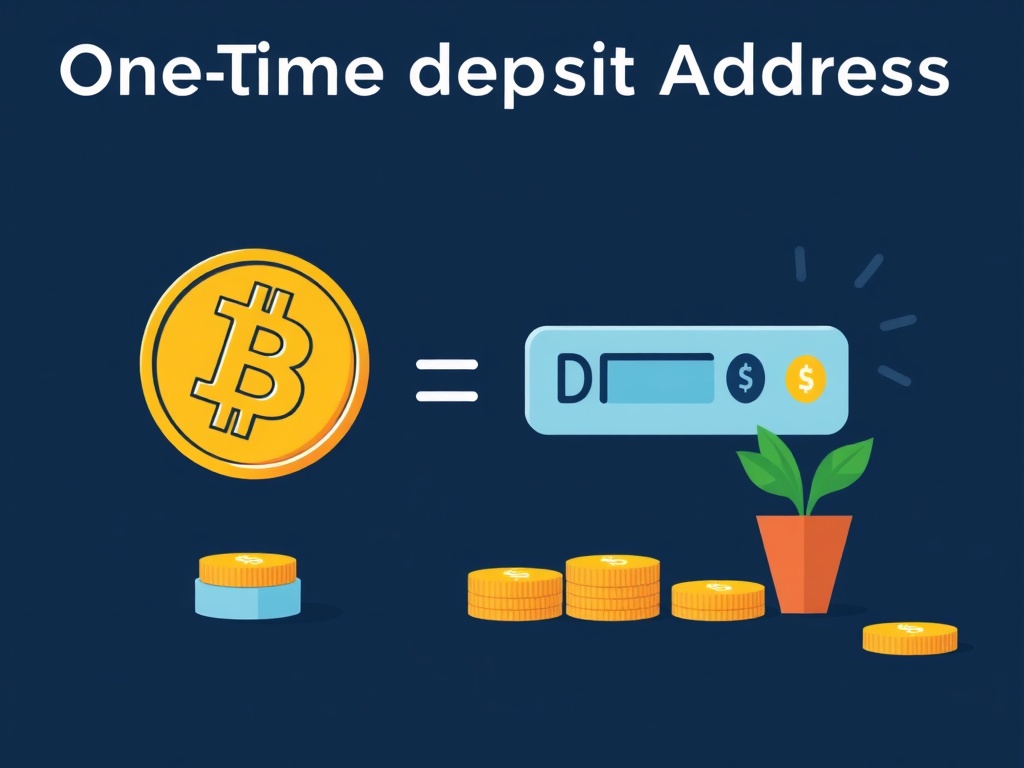
The concept of a one-time deposit address is critical for users navigating the complexities of cryptocurrency transactions, particularly within platforms like BTCMixer. This unique address is designed to enhance security and privacy by ensuring that each deposit is associated with a single, non-reusable identifier. For users unfamiliar with this term, it may seem like a technical detail, but its implications for safeguarding funds and maintaining anonymity are significant. In the context of BTCMixer, a one-time deposit address serves as a temporary solution to prevent tracking of user activity, making it a cornerstone of secure digital asset management.
What Is a One-Time Deposit Address?
Definition and Purpose
A one-time deposit address is a cryptographic address generated specifically for a single transaction. Unlike standard cryptocurrency addresses, which can be reused for multiple deposits or withdrawals, a one-time address is created for a specific purpose and becomes invalid after use. This design ensures that no transaction history is linked to a single address, thereby reducing the risk of surveillance or targeted attacks. For BTCMixer users, this feature is particularly valuable as it aligns with the platform’s emphasis on privacy and security.
How It Differs from Regular Addresses
Regular cryptocurrency addresses are static and can be reused indefinitely. This reusability poses a risk because repeated use of the same address can reveal patterns in transaction behavior, potentially exposing a user’s identity or financial activity. In contrast, a one-time deposit address is ephemeral. Once a deposit is made, the address is discarded, and a new one is generated for subsequent transactions. This approach minimizes the likelihood of linking multiple deposits to a single user, which is a key advantage in environments where anonymity is prioritized.
How the One-Time Deposit Address Functions in BTCMixer
Generation Process
In BTCMixer, the generation of a one-time deposit address is automated and seamless. When a user initiates a deposit, the platform creates a unique address tailored to that specific transaction. This process typically involves cryptographic algorithms that ensure the address is both unique and secure. Users do not need to manually generate or manage these addresses; instead, BTCMixer handles the entire process. This automation not only simplifies the user experience but also reduces the potential for human error, which could compromise security.
User Interaction and Deposit Process
Once the one-time deposit address is generated, users are provided with a link or code to access it. This address is then used to send cryptocurrency to the platform. The transaction is recorded on the blockchain, but due to the one-time nature of the address, it cannot be reused. This means that even if an attacker were to trace the transaction, they would only see a single deposit, making it difficult to correlate multiple activities to a single user. For BTCMixer users, this process is straightforward: generate the address, send funds, and confirm the deposit. The simplicity of this workflow is a major benefit, especially for those who may not be technically inclined.
Security Implications
The use of a one-time deposit address in BTCMixer significantly enhances security. By ensuring that each deposit is associated with a unique address, the platform mitigates risks such as address reuse attacks, where an adversary could exploit a reused address to track a user’s activity. Additionally, this feature aligns with the principles of privacy-focused cryptocurrency transactions, where minimizing traceability is paramount. For users concerned about their financial privacy, the one-time deposit address offers a robust layer of protection against potential threats.
Security Benefits of Using a One-Time Deposit Address
Protection Against Tracking
One of the primary security benefits of a one-time deposit address is its ability to prevent tracking. In traditional cryptocurrency systems, repeated use of the same address can create a digital footprint that can be analyzed to infer a user’s behavior. This is particularly problematic for users who value anonymity. By contrast, the one-time nature of the address ensures that no such footprint exists. Each deposit is isolated, making it nearly impossible for third parties to link multiple transactions to a single entity. This level of protection is especially important in the context of BTCMixer, where users may be handling sensitive or high-value assets.
Mitigating Risks of Address Reuse
Address reuse is a well-known vulnerability in cryptocurrency transactions. When a user repeatedly sends funds to the same address, it can lead to the exposure of their financial history. For example, if an address is compromised, all past transactions associated with it could be at risk. A one-time deposit address eliminates this risk by ensuring that each address is used only once. This practice is not only a security measure but also a best practice for maintaining the integrity of cryptocurrency transactions. For BTCMixer users, adopting this approach can significantly reduce the likelihood of security breaches.
Best Practices for Security
To maximize the security benefits of a one-time deposit address, users should follow specific best practices. First, they should always use the address provided by BTCMixer and avoid manually generating or reusing addresses. Second, users should verify the address before sending funds to ensure it is correct. Third, they should avoid sharing their deposit address with third parties, as this could compromise its one-time nature. Additionally, users should regularly review their transaction history to confirm that deposits are being processed correctly. These practices, when combined with the use of a one-time deposit address, create a robust security framework for BTCMixer users.
Best Practices for Utilizing a One-Time Deposit Address
Tips for Users
For BTCMixer users, understanding how to effectively use a one-time deposit address is essential. One key tip is to always generate a new address for each deposit. This ensures that the one-time nature of the address is maintained. Users should also be cautious about the timing of their deposits. If a deposit is delayed or fails, it is important to generate a new address rather than reusing the old one. Another tip is to keep a record of the addresses used for each transaction. While the addresses themselves are not stored, having a log can help users track their deposits and verify that they are being processed correctly. Finally, users should stay informed about any updates or changes to BTCMixer’s deposit process, as these could affect how the one-time deposit address is generated or used.
Common Mistakes to Avoid
Despite its benefits, the one-time deposit address can be misused if users are not careful. One common mistake is reusing an address for multiple deposits. This undermines the security advantages of the one-time nature of the address and can expose users to tracking risks. Another mistake is failing to verify the address before sending funds. A single typo or incorrect address can result in lost funds, as cryptocurrency transactions are irreversible. Additionally, users should avoid sharing their deposit address with anyone outside of BTCMixer. Sharing the address could allow third parties to monitor or interfere with the transaction. By avoiding these pitfalls, users can ensure that they are fully leveraging the security features of the one-time deposit address.
Monitoring Transactions
Monitoring transactions is a critical aspect of using a one-time deposit address. While the address itself is designed to be temporary, users should still keep an eye on their transaction history. This can be done through BTCMixer’s dashboard or by using a blockchain explorer. By regularly checking for confirmations, users can ensure that their deposits are being processed as expected. If a transaction does not confirm within the expected timeframe, it may be necessary to generate a new one-time deposit address and resend the funds. This proactive approach helps prevent potential issues and ensures that users maintain control over their assets. Additionally, monitoring transactions can help users identify any unusual activity, further enhancing their security.
Conclusion and Future Outlook
The one-time deposit address is a powerful tool for BTCMixer users seeking to enhance their security and privacy. By ensuring that each deposit is associated with a unique, non-reusable address, this feature significantly reduces the risks associated with address reuse and tracking. As cryptocurrency continues to evolve, the importance of such security measures will only grow. For users, understanding how to effectively utilize a one-time deposit address is not just a technical requirement but a strategic advantage. As platforms like BTCMixer continue to refine their processes, the integration of one-time addresses will likely become even more seamless and secure. Ultimately, the one-time deposit address represents a step forward in the ongoing effort to protect users in the digital asset space.

As a Digital Assets Strategist with a background in quantitative analysis and traditional finance, I’ve observed that the concept of a "one-time deposit address" represents a nuanced yet critical innovation in digital asset management. At its core, a one-time deposit address is a unique cryptographic address generated for a single deposit transaction, designed to enhance security and streamline processes. From a practical standpoint, this approach mitigates risks associated with address reuse, which can expose users to potential vulnerabilities such as transaction tracking or fund misappropriation. In my experience, integrating one-time deposit addresses into institutional frameworks or DeFi protocols can significantly improve transactional transparency. By ensuring that each deposit is tied to a singular, non-reusable address, entities can better track fund flows, reduce fraudulent activities, and align with regulatory compliance requirements. This is particularly relevant in environments where on-chain analytics play a pivotal role in verifying the legitimacy of transactions.
From a quantitative perspective, the adoption of one-time deposit addresses offers actionable insights for portfolio optimization and market microstructure analysis. For instance, in high-frequency trading or institutional custody solutions, these addresses can serve as a mechanism to isolate specific deposit events, allowing for more precise risk modeling. By analyzing patterns in one-time deposit addresses, we can identify anomalies or trends that might indicate market manipulation or liquidity shifts. However, the effectiveness of this strategy hinges on robust implementation. If not properly managed, the complexity of generating and tracking these addresses could introduce operational inefficiencies. Practitioners must balance security benefits with usability, ensuring that users or systems can seamlessly adopt this approach without compromising accessibility. In my view, the long-term viability of one-time deposit addresses will depend on their ability to evolve alongside advancements in blockchain scalability and smart contract automation.