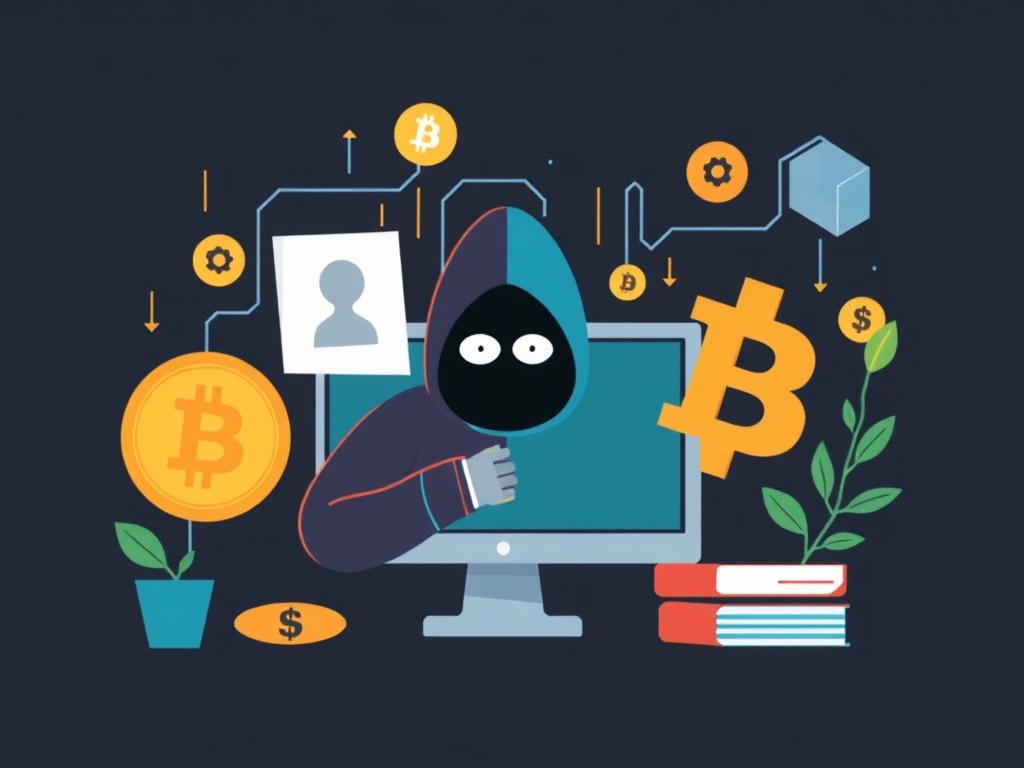
Understanding the Dash PrivateSend Feature: Enhancing Privacy in Cryptocurrency Transactions
The Dash PrivateSend feature has become a cornerstone of privacy-focused cryptocurrency transactions, offering users a robust solution to protect their financial data. As the demand for anonymity in digital currencies grows, Dash’s PrivateSend stands out as a unique and effective tool. This article explores the mechanics, benefits, and real-world applications of the Dash PrivateSend feature, providing a comprehensive guide for users and developers alike.
The Evolution of Privacy in Cryptocurrency
In the early days of cryptocurrency, transparency was a defining characteristic. Blockchain technology, while revolutionary, exposed transaction details to the public, raising concerns about privacy. As the industry matured, the need for enhanced privacy solutions became evident. The Dash PrivateSend feature emerged as a response to these challenges, offering a decentralized and user-friendly approach to transaction anonymity.
Why Privacy Matters in the Digital Age
Privacy is not just a preference but a necessity in today’s interconnected world. Financial transactions, even in the digital realm, can reveal sensitive information about individuals and businesses. The Dash PrivateSend feature addresses this by obscuring the origin and destination of funds, ensuring that users can conduct transactions without exposing their identities. This is particularly crucial for those who prioritize financial autonomy and security.
How Dash PrivateSend Works
The Dash PrivateSend feature operates through a sophisticated process that combines transaction mixing and decentralized network participation. Unlike traditional cryptocurrencies, which rely on public ledgers, Dash’s PrivateSend uses a unique mechanism to ensure that transactions cannot be traced back to their original source.
Transaction Mixing: The Core of PrivateSend
At the heart of the Dash PrivateSend feature is the transaction mixing process. When a user initiates a PrivateSend transaction, their funds are combined with those of other users in a temporary pool. This pool is then distributed across the network, making it nearly impossible to determine which inputs correspond to which outputs. The result is a transaction that appears to originate from multiple sources, effectively masking the user’s identity.
Anonymity Sets and Their Importance
Anonymity sets are a critical component of the Dash PrivateSend feature. These sets refer to the number of possible inputs that could have contributed to a given output. The larger the anonymity set, the more difficult it becomes to trace a transaction. Dash’s PrivateSend dynamically adjusts anonymity sets based on network activity, ensuring that users benefit from the highest level of privacy possible.
The Role of Masternodes in PrivateSend
Masternodes play a pivotal role in the Dash PrivateSend feature. These nodes are responsible for validating and mixing transactions, ensuring that the process remains decentralized and secure. By participating in the PrivateSend network, masternodes contribute to the overall integrity of the system, making it resistant to censorship and manipulation.
Benefits of Using Dash PrivateSend
The Dash PrivateSend feature offers a range of advantages that make it a preferred choice for privacy-conscious users. From enhanced security to greater control over financial data, this feature addresses many of the limitations of traditional cryptocurrencies.
Enhanced Privacy and Security
One of the most significant benefits of the Dash PrivateSend feature is its ability to provide unparalleled privacy. By obscuring transaction details, users can conduct business without fear of being monitored or targeted. This is especially important for individuals and organizations that handle sensitive financial information.
Protection Against Transaction Analysis
Transaction analysis is a common technique used by third parties to track cryptocurrency movements. The Dash PrivateSend feature mitigates this risk by ensuring that transactions cannot be easily linked to specific users. This makes it an ideal solution for those who wish to avoid surveillance or data breaches.
User Control and Transparency
Unlike some privacy-focused cryptocurrencies, the Dash PrivateSend feature does not require users to rely on third-party services. Instead, it operates entirely within the Dash network, giving users full control over their transactions. This transparency is a key factor in its popularity among privacy advocates.
Use Cases and Real-World Applications
The Dash PrivateSend feature has found applications across various industries, from personal finance to enterprise-level operations. Its versatility makes it a valuable tool for anyone seeking to protect their financial privacy.
Everyday Transactions
For individual users, the Dash PrivateSend feature offers a practical way to maintain privacy in daily transactions. Whether purchasing goods online or sending funds to a friend, users can ensure that their financial activities remain confidential. This is particularly beneficial in regions where financial surveillance is a concern.
Business and Enterprise Use
Businesses can also leverage the Dash PrivateSend feature to protect sensitive financial data. By using PrivateSend, companies can conduct transactions without exposing their internal operations to competitors or regulatory scrutiny. This is especially useful for industries that require a high degree of confidentiality, such as healthcare and finance.
Compliance and Regulatory Considerations
While the Dash PrivateSend feature enhances privacy, it also raises questions about compliance with financial regulations. Dash has taken steps to ensure that its PrivateSend feature aligns with global standards, allowing users to benefit from privacy without compromising legal obligations. This balance is crucial for the widespread adoption of privacy-focused cryptocurrencies.
Comparing Dash PrivateSend to Other Privacy Solutions
The Dash PrivateSend feature is not the only privacy solution available in the cryptocurrency space. However, its unique approach and integration into the Dash ecosystem set it apart from competitors. Let’s explore how it compares to other privacy-focused technologies.
Dash vs. Monero: A Privacy Showdown
Monero is another cryptocurrency known for its strong privacy features. However, the Dash PrivateSend feature offers a more user-friendly experience, making it accessible to a broader audience. While Monero relies on complex cryptographic techniques, Dash’s PrivateSend is designed to be intuitive, allowing users to enable privacy with a single click.
Dash vs. Zcash: Transparency vs. Privacy
Zcash provides privacy through its shielded transactions, but the Dash PrivateSend feature offers a different approach. Unlike Zcash, which requires users to opt into private transactions, Dash’s PrivateSend is enabled by default for all transactions. This ensures that privacy is not an optional feature but a fundamental aspect of the network.
Challenges and Limitations of Dash PrivateSend
Despite its many advantages, the Dash PrivateSend feature is not without its challenges. Understanding these limitations is essential for users who wish to make informed decisions about their privacy needs.
Network Congestion and Transaction Speed
One potential drawback of the Dash PrivateSend feature is its impact on transaction speed. The mixing process can introduce delays, especially during periods of high network activity. However, Dash’s efficient consensus mechanism helps mitigate these issues, ensuring that transactions remain relatively fast.
Regulatory Scrutiny and Adoption Barriers
As privacy-focused cryptocurrencies gain popularity, they also attract regulatory attention. The Dash PrivateSend feature may face scrutiny from governments and financial institutions, which could affect its adoption. Dash has proactively engaged with regulators to address these concerns, but the long-term impact remains to be seen.
Future Developments and Innovations
The Dash PrivateSend feature is continuously evolving, with ongoing improvements aimed at enhancing its functionality and security. As the cryptocurrency landscape changes, Dash is committed to maintaining its position as a leader in privacy technology.
Upcoming Features and Enhancements
Future updates to the Dash PrivateSend feature may include improved anonymity sets, faster transaction processing, and enhanced security protocols. These developments will further solidify Dash’s reputation as a privacy-first cryptocurrency.
The Role of Community and Development
The success of the Dash PrivateSend feature is largely driven by the Dash community and its developers. Open-source collaboration and continuous innovation ensure that the feature remains at the forefront of privacy technology. This community-driven approach is a key factor in Dash’s sustained growth and relevance.
Conclusion: The Future of Privacy in Cryptocurrency
The Dash PrivateSend feature represents a significant advancement in the pursuit of financial privacy. By combining transaction mixing, anonymity sets, and decentralized network participation, it offers a robust solution for users seeking to protect their data. As the demand for privacy continues to rise, the Dash PrivateSend feature will play a crucial role in shaping the future of cryptocurrency. Whether for personal use or enterprise applications, this feature exemplifies the potential of blockchain technology to empower individuals and organizations alike.

Dash PrivateSend Feature: A Critical Analysis of Privacy Mechanisms in Blockchain Ecosystems
As a blockchain research director with over eight years of experience in distributed ledger technology, I’ve closely examined privacy-preserving protocols like Dash’s PrivateSend feature. This CoinJoin-based mechanism allows users to obfuscate transaction trails by mixing inputs from multiple participants, making it significantly harder to trace fund flows. Unlike transparent blockchains, where transaction histories are publicly visible, PrivateSend leverages multi-signature transactions and randomized output ordering to enhance anonymity. However, its effectiveness hinges on user adoption—low liquidity in the mixing pool can expose participants to deanonymization risks, a critical consideration for compliance-focused enterprises exploring privacy solutions.
From a security standpoint, Dash PrivateSend’s design introduces trade-offs between privacy and transaction efficiency. While it mitigates chain analysis attacks, the feature requires users to hold sufficient Dash balances to participate in mixing rounds, which may deter microtransactions. Additionally, the reliance on voluntary participation creates vulnerabilities if malicious actors exploit the system to trace funds. My research emphasizes that privacy features must balance usability with robustness—Dash’s approach is commendable but necessitates ongoing optimization, particularly as regulatory scrutiny around financial anonymity intensifies. For developers, integrating PrivateSend into cross-chain interoperability frameworks could unlock new use cases, though rigorous testing is essential to prevent protocol exploits.
Practically, Dash PrivateSend shines in scenarios demanding financial confidentiality, such as remittances or high-net-worth transactions. However, its utility is limited by the need for user education—many participants misunderstand the feature’s limitations, assuming it guarantees full anonymity. As a former fintech consultant, I’ve observed that successful privacy implementations require clear communication about trade-offs, such as higher fees during peak network congestion. Looking ahead, Dash’s ability to innovate within its privacy framework while maintaining scalability will determine its relevance in a market increasingly dominated by zero-knowledge proof alternatives. For now, PrivateSend remains a pragmatic choice for users prioritizing transactional discretion without sacrificing blockchain transparency entirely.