Understanding Multisig Wallet Security: Protecting Your Cryptocurrency Assets
In the rapidly evolving world of cryptocurrency, securing digital assets has become a critical concern for both individual users and institutional investors. As the popularity of Bitcoin and other cryptocurrencies continues to grow, so does the need for robust security measures to protect against theft, fraud, and unauthorized access. One of the most effective solutions for enhancing cryptocurrency security is the use of multisig wallet security. This technology allows users to distribute control of their funds across multiple parties, significantly reducing the risk of a single point of failure. In this article, we will explore the fundamentals of multisig wallet security, its benefits, and best practices for ensuring the safety of your digital assets.
What is a Multisig Wallet?
A multisig wallet is a type of cryptocurrency wallet that requires multiple private keys to authorize a transaction. Unlike traditional wallets, which rely on a single private key, multisig wallets use a combination of keys from different users or devices to validate transactions. This approach adds an extra layer of security by ensuring that no single individual has full control over the funds. For example, a 2-of-3 multisig wallet requires at least two out of three private keys to execute a transaction, making it nearly impossible for a single party to compromise the funds.
How Multisig Wallets Work
Multisig wallets operate on a decentralized model, where the control of funds is distributed among multiple parties. When a transaction is initiated, the wallet software collects the required number of signatures from the designated private keys. Once the necessary signatures are obtained, the transaction is broadcast to the blockchain network for confirmation. This process not only enhances security but also provides a mechanism for shared control, which is particularly useful for businesses, families, or organizations managing collective assets.
One of the key advantages of multisig wallet security is its ability to mitigate the risks associated with lost or stolen private keys. In a traditional wallet, losing the private key means losing access to the funds permanently. However, with a multisig wallet, even if one key is compromised, the funds remain secure as long as the other keys are intact. This makes multisig wallets an ideal choice for users who prioritize long-term asset protection.
Key Components of Multisig Wallet Security
To fully understand the security benefits of multisig wallets, it is essential to examine their core components. These include the distribution of private keys, the use of smart contracts, and the implementation of multi-factor authentication. Each of these elements plays a crucial role in ensuring that the wallet remains secure against potential threats.
Private Key Distribution
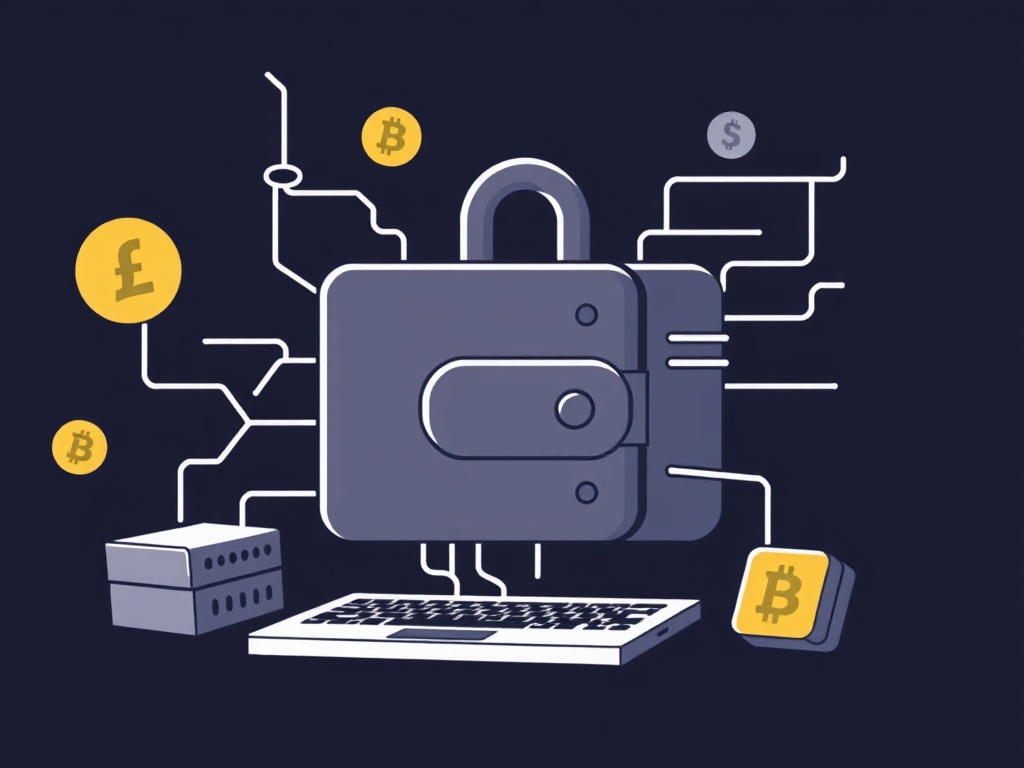
The foundation of multisig wallet security lies in the distribution of private keys. In a typical setup, the private keys are stored on separate devices or held by different individuals. For instance, a user might store one key on their personal computer, another on a hardware wallet, and a third on a mobile device. This distribution ensures that no single entity has full access to the funds, reducing the likelihood of unauthorized transactions.
Additionally, some multisig wallets utilize cold storage solutions, where private keys are stored offline on hardware devices. This further enhances security by protecting the keys from online threats such as hacking or phishing attacks. By combining offline storage with distributed key management, multisig wallets offer a robust defense against a wide range of security risks.
Smart Contracts and Transaction Validation
Multisig wallets often rely on smart contracts to automate the transaction validation process. These self-executing contracts are programmed to enforce the rules of the multisig agreement, ensuring that transactions can only be completed when the required number of signatures are obtained. This eliminates the need for manual verification and reduces the potential for human error or fraud.
For example, a 3-of-5 multisig wallet might require three out of five designated parties to approve a transaction. The smart contract would automatically check the validity of each signature and only proceed if the conditions are met. This level of automation not only streamlines the process but also adds an additional layer of security by minimizing the risk of unauthorized access.
Best Practices for Enhancing Multisig Wallet Security
While multisig wallets offer significant security advantages, their effectiveness depends on how they are implemented and managed. To maximize the benefits of multisig wallet security, users should follow a set of best practices designed to protect their assets from potential threats.
Regular Key Backups and Updates
One of the most critical aspects of multisig wallet security is maintaining regular backups of private keys. Even with a distributed key system, losing access to one or more keys can result in the loss of funds. To prevent this, users should create multiple backups of their private keys and store them in secure locations, such as encrypted drives or physical safes.
Additionally, it is important to keep the wallet software and firmware up to date. Developers frequently release updates to address security vulnerabilities and improve functionality. By staying current with these updates, users can ensure that their multisig wallet remains protected against the latest threats.
Using Reputable Multisig Wallet Providers
Not all multisig wallets are created equal, and the choice of provider can have a significant impact on security. Users should opt for reputable wallet providers that have a proven track record of implementing strong security measures. Look for wallets that offer features such as two-factor authentication, biometric verification, and regular security audits.
It is also advisable to avoid using multisig wallets from unknown or unverified sources. These wallets may contain hidden vulnerabilities or malicious code that could compromise the security of the funds. By choosing a trusted provider, users can significantly reduce the risk of falling victim to scams or cyberattacks.
Common Threats to Multisig Wallet Security
Despite their robust design, multisig wallets are not immune to security threats. Understanding the common risks associated with these wallets is essential for implementing effective countermeasures. Some of the most prevalent threats include phishing attacks, malware, and social engineering.
Phishing Attacks
Phishing attacks are one of the most common methods used to compromise multisig wallet security. These attacks typically involve fraudulent emails, websites, or messages that trick users into revealing their private keys or login credentials. Once an attacker gains access to a private key, they can initiate unauthorized transactions and drain the wallet.
To protect against phishing, users should always verify the authenticity of any communication related to their multisig wallet. This includes checking the sender's email address, avoiding suspicious links, and using two-factor authentication to add an extra layer of security. Additionally, users should be cautious when sharing sensitive information, even with trusted parties, as social engineering tactics can be highly sophisticated.
Malware and Ransomware
Malware and ransomware pose a significant threat to multisig wallet security, particularly when users store their private keys on devices that are not properly secured. Malicious software can be designed to steal private keys, monitor transactions, or even lock users out of their wallets until a ransom is paid.
To mitigate this risk, users should ensure that all devices used to access their multisig wallets are equipped with up-to-date antivirus software and firewalls. It is also recommended to use hardware wallets for storing private keys, as these devices are less susceptible to malware attacks. Regular system scans and the use of secure browsing practices can further enhance protection against these threats.
Real-World Applications of Multisig Wallet Security
Multisig wallet security is not just a theoretical concept; it has practical applications in various industries and use cases. From corporate treasuries to decentralized finance (DeFi) platforms, multisig wallets are being used to secure assets and streamline operations.
Corporate and Institutional Use
Many businesses and institutions are adopting multisig wallets to manage their cryptocurrency holdings. By distributing control among multiple executives or departments, companies can reduce the risk of internal fraud and ensure that no single individual has unilateral control over the funds. This approach is particularly useful for organizations that handle large volumes of digital assets, such as hedge funds, exchanges, and payment processors.
For example, a company might use a 2-of-3 multisig wallet to require approval from two executives before any transaction is executed. This not only enhances security but also promotes transparency and accountability within the organization. By implementing multisig wallet security, businesses can protect their assets while maintaining operational efficiency.
Decentralized Finance (DeFi) and Multisig Wallets
The rise of decentralized finance (DeFi) has further highlighted the importance of multisig wallet security. DeFi platforms often require users to interact with smart contracts, which can be vulnerable to exploits if not properly secured. Multisig wallets provide an additional layer of protection by ensuring that transactions are only executed when the required number of signatures are obtained.
In a DeFi context, multisig wallets can be used to secure funds in liquidity pools, governance tokens, or other assets. By requiring multiple approvals for transactions, these wallets help prevent unauthorized access and reduce the risk of smart contract vulnerabilities. This makes multisig wallet security an essential tool for users participating in the DeFi ecosystem.
Conclusion: The Future of Multisig Wallet Security
As the cryptocurrency landscape continues to evolve, the importance of multisig wallet security will only grow. With the increasing sophistication of cyber threats, users must adopt proactive measures to protect their digital assets. Multisig wallets offer a powerful solution by distributing control and reducing the risk of single-point failures.
By understanding the principles of multisig wallet security, implementing best practices, and staying informed about emerging threats, users can significantly enhance the safety of their cryptocurrency holdings. Whether you are an individual investor or a business owner, investing in a reliable multisig wallet is a crucial step toward safeguarding your digital future.
In conclusion, multisig wallet security is not just a technical feature but a fundamental aspect of responsible cryptocurrency management. As the industry matures, the adoption of multisig technology will play a vital role in ensuring the long-term viability and trustworthiness of the digital economy.

Enhancing Multisig Wallet Security: A Strategic Approach for Institutional Adoption
As a Senior Crypto Market Analyst with over 12 years of experience in digital asset analysis and blockchain market research, I’ve observed that multisig wallet security remains a cornerstone of institutional-grade cryptocurrency management. While multisig technology—requiring multiple private keys to authorize transactions—offers robust protection against single points of failure, its effectiveness hinges on meticulous implementation. Many organizations underestimate the complexity of key distribution, often relying on centralized custodians or poorly secured hardware, which inadvertently reintroduces vulnerabilities. In my view, the true strength of multisig lies not just in its technical design but in how institutions align its use with their operational workflows and risk tolerance.
Practical insights from my work highlight that multisig wallet security is as much about human factors as it is about code. For instance, a wallet requiring three-of-five key approvals may seem secure, but if two keys are stored on devices compromised by phishing attacks, the system’s integrity collapses. I’ve seen cases where teams neglect regular key rotation or fail to audit access permissions, creating silent weaknesses. To mitigate this, I recommend adopting hardware security modules (HSMs) for key storage and integrating decentralized identity verification protocols. Additionally, institutions should prioritize education—ensuring all stakeholders understand the shared responsibility model inherent in multisig systems.
Looking ahead, the evolution of multisig wallet security will likely intersect with emerging technologies like zero-knowledge proofs and multi-party computation (MPC). These innovations could further decentralize trust while maintaining usability, a critical balance for institutional adoption. However, as regulatory scrutiny intensifies, compliance frameworks must evolve alongside technical safeguards. My analysis suggests that multisig wallet security will remain a dynamic field, requiring continuous adaptation to threats and technological advancements. For organizations, the takeaway is clear: treat multisig not as a static solution but as a living component of a broader cybersecurity strategy.