Understanding Metadata Leakage Risk in BTC Mixers: A Comprehensive Guide
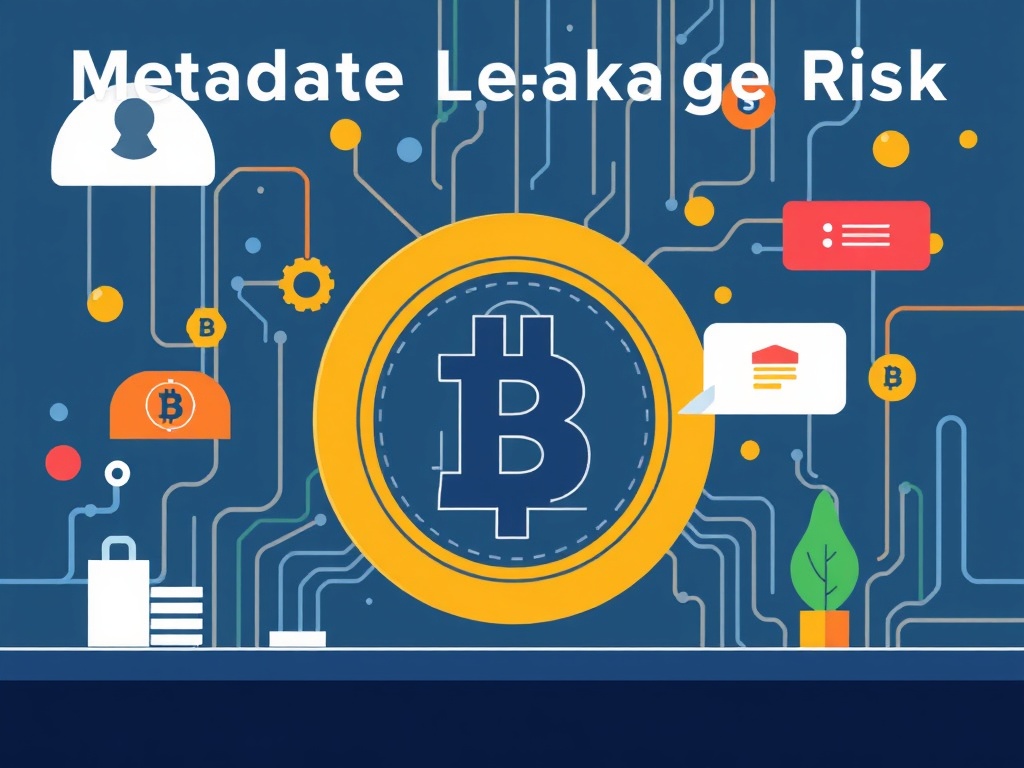
In the rapidly evolving world of cryptocurrency, privacy and security remain paramount concerns for users. One of the most critical challenges in this space is the metadata leakage risk, particularly within the context of BTC mixers. These services, designed to enhance anonymity by obscuring the origin of Bitcoin transactions, are not immune to vulnerabilities. As users increasingly rely on BTC mixers to protect their financial privacy, understanding the risks associated with metadata leakage becomes essential. This article delves into the intricacies of metadata leakage risk, its implications for BTC mixers, and actionable strategies to mitigate these threats.
What Is Metadata Leakage Risk?
Metadata leakage risk refers to the unintended exposure of data that accompanies digital transactions, even when the primary content is encrypted or anonymized. In the context of BTC mixers, this risk arises when sensitive information—such as transaction timestamps, IP addresses, or user identifiers—is inadvertently revealed. While BTC mixers aim to break the link between a user’s wallet and their transaction history, metadata can still provide clues that compromise privacy.
Defining Metadata in the Cryptocurrency Context
Metadata in cryptocurrency transactions includes any data that is not part of the actual transaction value but is recorded alongside it. For example, when a user sends Bitcoin through a BTC mixer, the mixer may log the user’s IP address, the time of the transaction, or the amount sent. While these details may seem innocuous, they can be exploited by malicious actors to trace the origin of funds or identify users.
How Metadata Leakage Occurs in BTC Mixers
Metadata leakage in BTC mixers can occur through several channels. First, the mixer itself may retain logs of transactions, which could be accessed by third parties. Second, the user’s device or network may inadvertently expose information, such as the IP address used to connect to the mixer. Third, the mixer’s software might have vulnerabilities that allow for the extraction of metadata from transactions. Each of these scenarios highlights the importance of understanding how metadata leakage risk manifests in practice.
Why BTC Mixers Are Vulnerable to Metadata Leakage
BTC mixers are designed to enhance privacy by pooling transactions and redistributing them to different addresses. However, their effectiveness is often undermined by the inherent risks of metadata leakage. The following sections explore the specific vulnerabilities that make BTC mixers susceptible to this issue.
The Role of BTC Mixers in Privacy Protection
BTC mixers, also known as Bitcoin tumblers, operate by mixing a user’s Bitcoin with others’ funds, making it difficult to trace the origin of the coins. This process is intended to break the chain of transactions that could otherwise link a user to their financial activity. However, the very mechanisms that enable this anonymity can also create opportunities for metadata leakage.
Common Sources of Metadata Leakage in BTC Mixers
One of the primary sources of metadata leakage in BTC mixers is the logging of transaction details. Even if a mixer claims to be anonymous, it may still record information such as the user’s IP address, the time of the transaction, or the amount of Bitcoin being mixed. This data, if not properly secured, can be used to trace the user’s activity.
The Impact of Network and Device Vulnerabilities
Another critical factor contributing to metadata leakage risk is the user’s own network and device. For instance, if a user connects to a BTC mixer via an unsecured Wi-Fi network, their IP address may be exposed. Similarly, if the user’s device is compromised by malware, it could inadvertently send metadata to the mixer or other third parties.
Consequences of Metadata Leakage in BTC Mixers
The consequences of metadata leakage in BTC mixers can be severe, ranging from financial loss to legal repercussions. Understanding these risks is crucial for users who rely on these services to protect their privacy.
Financial and Reputational Risks
When metadata is leaked, it can lead to the identification of a user’s Bitcoin transactions, potentially exposing their financial activities. This not only compromises privacy but also increases the risk of targeted attacks, such as phishing or theft. Additionally, the reputational damage to a BTC mixer or its users can be significant, especially if the leak is publicized.
Legal and Regulatory Implications
Metadata leakage can also have legal consequences. In some jurisdictions, the use of BTC mixers is subject to scrutiny, and the exposure of metadata may be used as evidence in investigations. For example, if a user’s transaction data is linked to illegal activity, the mixer could face regulatory action or legal liability.
User Trust and Adoption Challenges
Metadata leakage risk can erode user trust in BTC mixers, leading to a decline in adoption. If users perceive these services as unreliable or insecure, they may seek alternative methods to protect their privacy, such as using more advanced privacy coins or decentralized solutions. This shift could have long-term implications for the BTC mixer industry.
Mitigating Metadata Leakage Risk in BTC Mixers
Addressing metadata leakage risk requires a multi-faceted approach that involves both technical safeguards and user education. By implementing best practices and staying informed about emerging threats, users and BTC mixer providers can significantly reduce the likelihood of metadata exposure.
Best Practices for Users
Users can take several steps to minimize metadata leakage risk when using BTC mixers. First, they should ensure that their devices are secure, using strong passwords and up-to-date antivirus software. Second, they should avoid using public Wi-Fi networks when interacting with BTC mixers, as these networks are more susceptible to interception. Third, users should opt for mixers that prioritize privacy and have transparent policies regarding data retention.
Technical Measures for BTC Mixer Providers
BTC mixer providers play a critical role in mitigating metadata leakage risk. They should implement robust encryption protocols to protect transaction data and ensure that no sensitive information is stored unnecessarily. Additionally, providers should conduct regular security audits to identify and address vulnerabilities in their systems. Transparency in their operations, such as publishing audit reports, can also help build user trust.
Regulatory Compliance and Industry Standards
Compliance with regulatory standards is another key factor in reducing metadata leakage risk. BTC mixers must navigate a complex landscape of legal requirements, including anti-money laundering (AML) and know-your-customer (KYC) regulations. By adhering to these standards, providers can demonstrate their commitment to security and privacy while minimizing the risk of legal repercussions.
Case Studies and Real-World Examples
Examining real-world instances of metadata leakage in BTC mixers can provide valuable insights into the challenges and solutions associated with this issue. These case studies highlight the importance of proactive risk management and the potential consequences of neglecting metadata security.
Case Study: The 2017 BTC Mixer Breach
In 2017, a major BTC mixer was compromised, leading to the exposure of user metadata. The breach revealed that the mixer had stored transaction logs, including IP addresses and transaction amounts, which were later used to trace the origin of funds. This incident underscored the importance of secure data storage and the need for regular security audits.
Case Study: The 2020 Privacy Coin Incident
Another notable example involved a privacy-focused cryptocurrency that experienced metadata leakage due to a flaw in its mixing process. The vulnerability allowed third parties to link transactions to specific users, highlighting the need for continuous monitoring and improvement of BTC mixer technologies.
Future Trends and Innovations in Metadata Security
As the cryptocurrency landscape continues to evolve, new technologies and strategies are emerging to address metadata leakage risk. These innovations aim to enhance privacy while maintaining the functionality of BTC mixers.
The Rise of Decentralized Mixing Solutions
Decentralized BTC mixers, which operate without a central authority, are gaining traction as a way to reduce metadata leakage risk. By eliminating the need for a central server, these solutions minimize the potential for data breaches and unauthorized access. However, they also present new challenges, such as ensuring the integrity of the mixing process.
Advancements in Privacy-Enhancing Technologies
Privacy-enhancing technologies, such as zero-knowledge proofs and ring signatures, are being integrated into BTC mixers to further obscure transaction metadata. These techniques allow users to prove the validity of a transaction without revealing sensitive information, thereby reducing the risk of metadata exposure.
The Role of Regulatory Frameworks
As governments and regulatory bodies become more involved in the cryptocurrency space, the development of standardized privacy protocols is likely to increase. These frameworks will play a crucial role in balancing the need for privacy with the requirements of financial transparency and security.
Conclusion: Staying Ahead of Metadata Leakage Risks
Metadata leakage risk remains a significant concern for users of BTC mixers, but it is not insurmountable. By understanding the sources of this risk, implementing best practices, and staying informed about emerging technologies, users and providers can work together to create a more secure and private cryptocurrency ecosystem. As the industry continues to evolve, the importance of proactive risk management cannot be overstated. Addressing metadata leakage risk is not just a technical challenge—it is a fundamental step toward ensuring the long-term viability and trustworthiness of BTC mixers.

Understanding Metadata Leakage Risk: A Quantitative Perspective on Data Integrity in Digital Asset Ecosystems
As a digital assets strategist with a foundation in quantitative analysis and on-chain analytics, I’ve observed that metadata leakage risk is an often-overlooked vulnerability in the rapidly evolving crypto and blockchain landscape. Metadata—data about data, such as transaction timestamps, wallet addresses, or smart contract interactions—can inadvertently expose sensitive information when not properly secured. In traditional finance, metadata is typically siloed and protected, but in decentralized systems, its transparency can become a double-edged sword. For instance, a single transaction on a public blockchain might reveal patterns that link users to specific behaviors, creating opportunities for exploitation. This risk is amplified in environments where data is fragmented across multiple nodes, making it challenging to enforce uniform security protocols.
From a practical standpoint, metadata leakage can have tangible consequences for both individual investors and institutional players. Consider a scenario where a portfolio optimization algorithm relies on on-chain data to identify trends. If metadata about trading activity is exposed, competitors could reverse-engineer strategies or manipulate market dynamics. Similarly, institutional investors using on-chain analytics to assess liquidity or risk might inadvertently expose proprietary insights through metadata trails. My work in market microstructure has shown that even minor data leaks can distort price discovery mechanisms, undermining the integrity of decentralized markets. This underscores the need for robust data governance frameworks that balance transparency with privacy.
To mitigate metadata leakage risk, I advocate for a multi-layered approach that combines technical safeguards with operational best practices. First, implementing end-to-end encryption for sensitive metadata ensures that only authorized parties can access critical information. Second, leveraging zero-knowledge proofs or homomorphic encryption can enable data analysis without exposing raw details. Finally, continuous monitoring of on-chain activity using advanced analytics tools helps detect anomalies that might indicate leakage. As the digital asset ecosystem matures, addressing metadata leakage risk will be essential to maintaining trust and fostering sustainable growth. By prioritizing data integrity, we can unlock the full potential of blockchain technology while minimizing its inherent vulnerabilities.