Understanding Hardware Security Modules: Enhancing Security in BTC Mixers
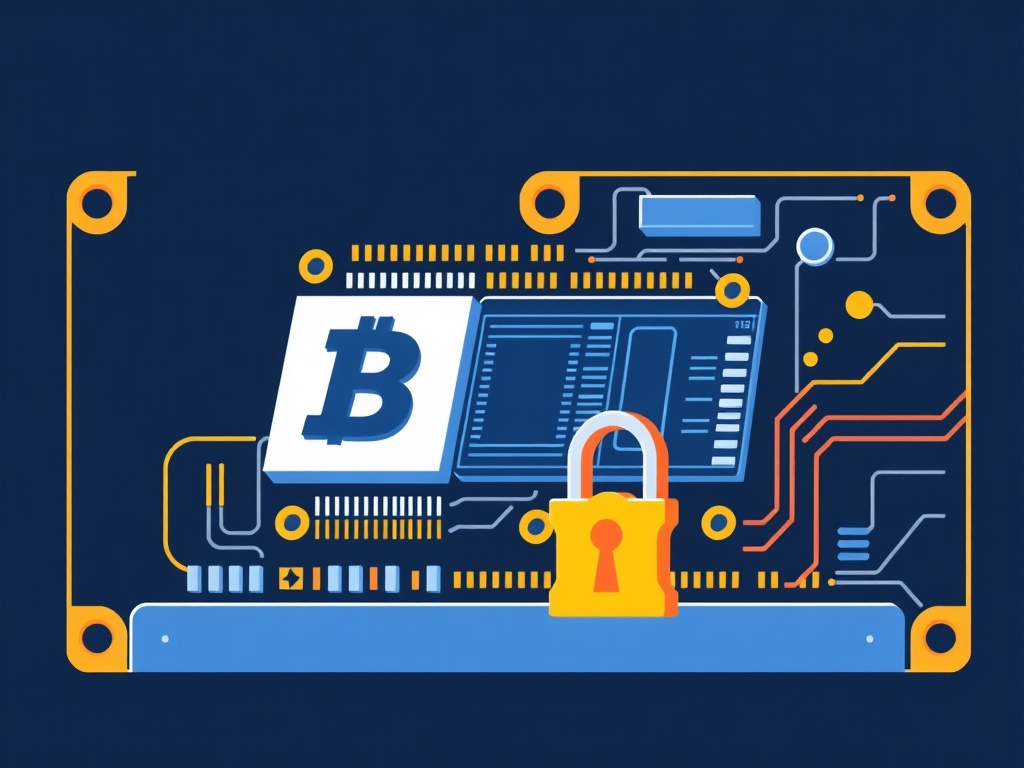
In the rapidly evolving world of cryptocurrency, security remains a paramount concern. As digital assets like Bitcoin gain mainstream adoption, the need for robust protective measures becomes increasingly critical. One such solution that has emerged as a cornerstone of secure cryptocurrency transactions is the hardware security module. These specialized devices are designed to safeguard sensitive data, manage cryptographic keys, and ensure the integrity of digital transactions. For platforms like BTC Mixers, which facilitate the anonymization of Bitcoin transactions, integrating a hardware security module is not just beneficial—it is essential.
What is a Hardware Security Module?
A hardware security module (HSM) is a dedicated physical device engineered to manage and protect cryptographic keys and perform secure cryptographic operations. Unlike software-based solutions, which can be vulnerable to malware or unauthorized access, HSMs operate in a tamper-resistant environment, making them ideal for high-stakes applications. Their primary function is to store and manage cryptographic keys, ensuring that sensitive data remains secure even if the surrounding system is compromised.
The Core Functions of an HSM
An HSM performs several critical functions that are vital for secure digital transactions:
- Key Storage: HSMs securely store cryptographic keys, preventing unauthorized access or extraction.
- Cryptographic Operations: They execute encryption, decryption, and digital signing processes within a secure environment.
- Tamper Resistance: HSMs are designed to detect and respond to physical or logical tampering attempts.
- Compliance Support: Many HSMs are certified to meet industry standards such as FIPS 140-2, ensuring they meet regulatory requirements.
By centralizing these functions, HSMs eliminate the risks associated with storing keys on general-purpose servers or devices, which are more susceptible to attacks.
The Role of HSMs in BTC Mixers
BTC Mixers, also known as Bitcoin tumblers, are services that help users anonymize their Bitcoin transactions by mixing them with others. While this process enhances privacy, it also introduces new security challenges. A hardware security module plays a pivotal role in addressing these challenges by ensuring that the mixing process remains secure and tamper-proof.
Protecting Private Keys in BTC Mixers
One of the most critical aspects of a BTC Mixer is the handling of private keys. These keys are essential for accessing and transferring Bitcoin, and their compromise can lead to significant financial losses. A hardware security module ensures that private keys are stored in a secure, isolated environment, reducing the risk of theft or unauthorized access.
For example, when a user submits a transaction to a BTC Mixer, the private key associated with their Bitcoin address is never exposed to the public network. Instead, the HSM processes the transaction internally, ensuring that the key remains protected throughout the mixing process.
Ensuring Transaction Integrity
Another key function of a hardware security module in BTC Mixers is maintaining the integrity of transactions. By using cryptographic algorithms to verify and sign transactions, HSMs prevent malicious actors from altering or intercepting data. This is particularly important in a decentralized ecosystem like Bitcoin, where trust is placed on the integrity of the network rather than a central authority.
Additionally, HSMs can generate unique transaction IDs and timestamps, further enhancing the traceability and accountability of mixed transactions. This level of transparency is crucial for maintaining user trust and complying with regulatory requirements.
How HSMs Work in Cryptocurrency Mixing
The integration of a hardware security module into a BTC Mixer involves a series of complex processes designed to balance security with efficiency. Understanding how these modules operate within the context of cryptocurrency mixing provides insight into their importance.
Key Generation and Management
At the heart of any BTC Mixer is the generation and management of cryptographic keys. A hardware security module is responsible for creating and storing these keys in a secure, isolated environment. This process typically involves the following steps:
- Key Creation: The HSM generates a unique private key for each user or transaction, ensuring that no two keys are identical.
- Secure Storage: The key is stored within the HSM, which is physically and logically protected against unauthorized access.
- Access Control: Only authorized users or systems can request access to the key, with strict authentication protocols in place.
By centralizing key management, HSMs eliminate the need for users to handle sensitive data directly, significantly reducing the risk of human error or external attacks.
Transaction Processing and Encryption
Once the keys are securely stored, the hardware security module takes over the task of processing transactions. This involves encrypting the transaction data and ensuring that it is transmitted securely across the network. The HSM uses advanced cryptographic algorithms, such as AES or RSA, to protect the data from interception or tampering.
For instance, when a user initiates a transaction through a BTC Mixer, the HSM encrypts the transaction details and signs it with the user’s private key. This signed transaction is then sent to the Bitcoin network, where it is mixed with other transactions to obscure its origin.
Audit Trails and Compliance
Compliance with regulatory standards is a critical concern for BTC Mixers, particularly in jurisdictions with strict anti-money laundering (AML) laws. A hardware security module helps BTC Mixers maintain detailed audit trails of all transactions, ensuring transparency and accountability.
By logging every cryptographic operation and transaction, HSMs provide a verifiable record that can be audited by regulators or third parties. This not only helps BTC Mixers comply with legal requirements but also builds trust with users who prioritize security and transparency.
Benefits of Using a Hardware Security Module in BTC Mixers
The integration of a hardware security module into BTC Mixers offers numerous advantages, making it an indispensable tool for enhancing security and operational efficiency.
Enhanced Security Against Cyber Threats
One of the most significant benefits of using an HSM is its ability to protect against cyber threats. Unlike software-based solutions, which can be vulnerable to malware or hacking attempts, HSMs operate in a physically secure environment. This makes them resistant to attacks such as side-channel attacks, which exploit weaknesses in software implementations.
For BTC Mixers, this means that even if a hacker gains access to the system, they would be unable to extract or manipulate the cryptographic keys stored within the HSM. This level of security is crucial for maintaining the integrity of the mixing process and protecting user funds.
Improved Performance and Reliability
In addition to security, HSMs also contribute to the performance and reliability of BTC Mixers. By offloading cryptographic operations to a dedicated hardware device, BTC Mixers can process transactions more efficiently, reducing latency and improving user experience.
Moreover, HSMs are designed to operate continuously without interruption, ensuring that the mixing process remains uninterrupted even during high-traffic periods. This reliability is essential for maintaining the trust of users who rely on BTC Mixers for their privacy needs.
Cost-Effectiveness in the Long Run
While the initial investment in a hardware security module may be higher than software-based alternatives, the long-term cost savings are substantial. By preventing security breaches and reducing the need for frequent software updates, HSMs help BTC Mixers avoid costly downtime and reputational damage.
Furthermore, the use of HSMs can streamline compliance efforts, as they provide built-in support for regulatory standards. This reduces the administrative burden on BTC Mixers and allows them to focus on improving their services.
Challenges and Considerations in Implementing HSMs
Despite their numerous benefits, implementing a hardware security module in BTC Mixers is not without its challenges. Understanding these challenges is essential for making informed decisions about security infrastructure.
High Initial Costs
One of the primary challenges associated with HSMs is their high initial cost. These devices are typically more expensive than software-based solutions, requiring significant investment in both hardware and expertise. For smaller BTC Mixers, this can be a barrier to entry, limiting their ability to adopt advanced security measures.
However, it is important to consider the long-term value of HSMs. The cost of a security breach can far exceed the initial investment, making HSMs a prudent choice for organizations prioritizing security.
Complexity of Integration
Integrating an HSM into an existing BTC Mixer system can be a complex process. It requires careful planning, technical expertise, and coordination with multiple stakeholders. Additionally, the HSM must be compatible with the existing infrastructure, which may involve custom development or third-party integrations.
To mitigate these challenges, BTC Mixers should work with experienced vendors and consultants who specialize in HSM implementation. This ensures that the integration process is smooth and that the HSM is configured to meet the specific needs of the platform.
Ongoing Maintenance and Updates
HSMs require regular maintenance and updates to remain effective. This includes firmware upgrades, security patches, and periodic audits to ensure compliance with evolving standards. Failure to maintain the HSM can lead to vulnerabilities that undermine its security benefits.
BTC Mixers must establish a robust maintenance schedule and allocate resources for ongoing support. This includes training staff to manage the HSM and monitoring its performance to detect any anomalies or potential threats.
Future Trends in Hardware Security Modules for BTC Mixers
As the cryptocurrency landscape continues to evolve, so too will the role of hardware security modules in BTC Mixers. Several emerging trends are poised to shape the future of HSM technology and its application in the cryptocurrency space.
Quantum-Resistant Cryptography
With the advent of quantum computing, traditional cryptographic algorithms may become vulnerable to attacks. To address this, researchers are developing quantum-resistant algorithms that can be implemented in HSMs. These algorithms will ensure that BTC Mixers remain secure even in the face of advanced computational threats.
By adopting quantum-resistant cryptography, BTC Mixers can future-proof their security infrastructure and maintain the trust of their users.
Integration with Artificial Intelligence
Artificial intelligence (AI) is increasingly being integrated into security systems to enhance threat detection and response. In the context of BTC Mixers, AI-powered HSMs could analyze transaction patterns in real time, identifying suspicious activity and preventing potential breaches.
This integration would not only improve the efficiency of the mixing process but also provide an additional layer of security against sophisticated attacks.
Decentralized HSM Solutions
As the demand for decentralized technologies grows, there is a growing interest in decentralized HSM solutions. These systems would distribute cryptographic key management across a network of nodes, reducing the risk of a single point of failure.
For BTC Mixers, decentralized HSMs could offer greater resilience and scalability, making them an attractive option for large-scale operations.
Conclusion
In conclusion, a hardware security module is a critical component for ensuring the security and integrity of BTC Mixers. By providing a secure environment for cryptographic operations, HSMs protect

The Critical Role of Hardware Security Modules in Safeguarding Digital Assets
As a Senior Crypto Market Analyst with over 12 years of experience in digital asset analysis and blockchain market research, I’ve witnessed the evolution of security protocols in the cryptocurrency space. A hardware security module (HSM) is not just a technical tool—it’s a cornerstone of trust in an industry where vulnerabilities can lead to catastrophic losses. These physical devices are designed to securely manage and store cryptographic keys, ensuring that private keys never leave the hardware, even during transactions. For institutional investors and DeFi protocols, HSMs are indispensable for mitigating risks like key theft, unauthorized access, and tampering. Without robust HSM integration, the integrity of blockchain networks and the confidence of users would erode rapidly.
From a practical standpoint, HSMs address a critical gap in traditional software-based security models. While software solutions are cost-effective and scalable, they are inherently vulnerable to malware, phishing, and insider threats. HSMs, by contrast, operate in isolated environments, often with tamper-resistant hardware and real-time monitoring capabilities. This makes them ideal for high-stakes scenarios, such as managing large-scale crypto reserves or executing complex smart contract interactions. However, their adoption is still uneven across the market. Many retail investors and smaller projects overlook HSMs due to perceived complexity or cost, leaving them exposed to preventable risks. As the industry matures, I believe HSMs will become a standard requirement for compliance and risk management, particularly as regulatory frameworks tighten.
Looking ahead, the future of HSMs in crypto will likely be shaped by advancements in quantum computing and decentralized infrastructure. As quantum threats loom, HSMs will need to evolve to support post-quantum cryptography, ensuring long-term security for digital assets. Additionally, the rise of decentralized identity solutions and self-sovereign identity models may drive demand for HSMs that balance security with user autonomy. For now, though, the message is clear: in a landscape where a single breach can destabilize markets, hardware security modules are not optional—they are non-negotiable. My analysis consistently highlights their role as a bridge between innovation and resilience, a theme I’ll continue to emphasize as the crypto ecosystem grows.