Understanding Anonymous SIM Cards: A Guide to Privacy and Security in the Digital Age
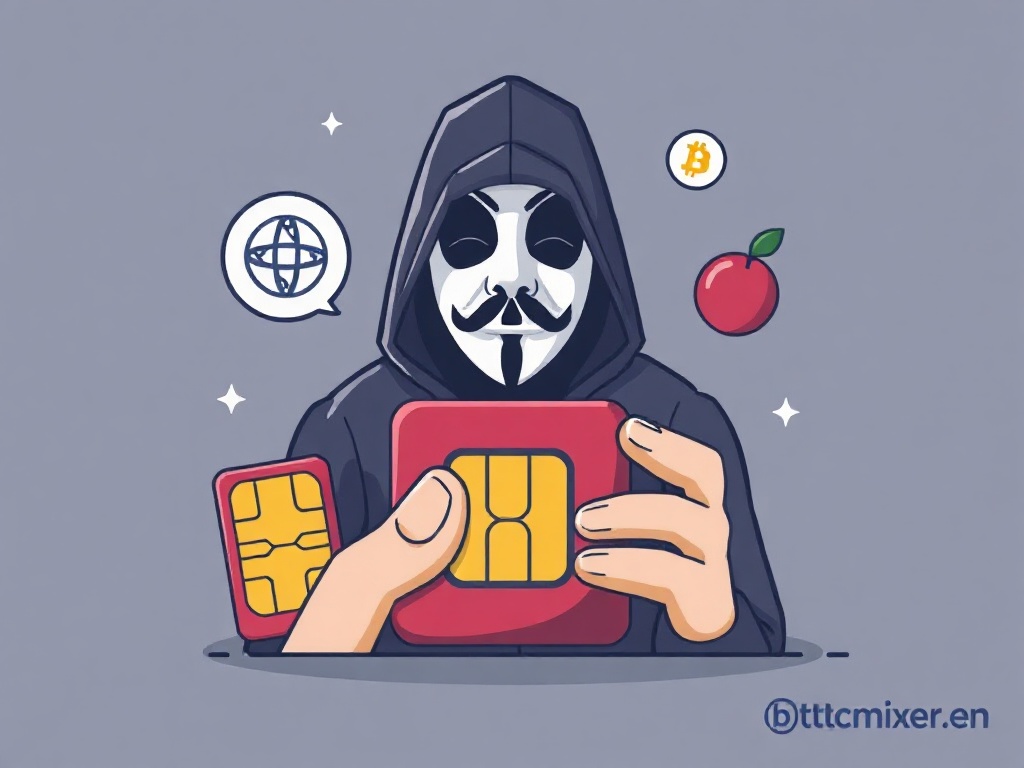
In an era where digital privacy is increasingly under threat, anonymous SIM cards have emerged as a critical tool for individuals seeking to protect their personal information. These SIM cards allow users to maintain a level of anonymity while accessing mobile networks, making them a popular choice for those concerned about surveillance, data breaches, or identity theft. Whether you're a journalist, activist, or simply someone who values privacy, understanding how anonymous SIM cards function and their implications is essential. This article explores the concept, benefits, and considerations surrounding anonymous SIM cards, providing a comprehensive overview for anyone interested in safeguarding their digital footprint.
What Are Anonymous SIM Cards?
An anonymous SIM card is a mobile subscriber identity module that does not require the user to provide personal information during registration. Unlike traditional SIM cards, which are tied to a user's name, address, and other identifiable details, anonymous SIM cards allow individuals to operate without revealing their identity. This feature is particularly appealing to those who wish to avoid tracking by governments, corporations, or malicious actors.
The Concept of Anonymity
Anonymity in the context of anonymous SIM cards refers to the ability to use a mobile network without disclosing personal data. This is achieved through various methods, including the use of virtual numbers, encrypted communication, and third-party services that act as intermediaries. By eliminating the need for identity verification, anonymous SIM cards offer a layer of protection against unauthorized access to sensitive information.
How They Differ from Regular SIM Cards
Traditional SIM cards are linked to a user's identity through a process called Know Your Customer (KYC), which requires proof of identity, address, and other personal details. In contrast, anonymous SIM cards bypass this process, allowing users to purchase and activate them without providing such information. This distinction makes anonymous SIM cards a preferred option for individuals who prioritize privacy over convenience.
How Do Anonymous SIM Cards Work?
The functionality of anonymous SIM cards relies on a combination of technology and service provider policies. These cards are typically sold through third-party vendors or online platforms that do not require identity verification. Once purchased, users can insert the anonymous SIM card into a compatible device and connect to a mobile network without revealing their personal information.
Virtual Numbers and Encryption
One of the key features of anonymous SIM cards is the use of virtual numbers, which act as a buffer between the user and the network. These numbers are not tied to a physical location or identity, making it difficult for third parties to trace calls or messages back to the user. Additionally, many anonymous SIM card providers employ end-to-end encryption to secure communications, ensuring that data remains private even if intercepted.
The Role of Third-Party Providers
Third-party providers play a crucial role in the distribution of anonymous SIM cards. These companies often operate in jurisdictions with strict privacy laws, allowing them to offer services without complying with data-sharing requirements. By acting as intermediaries, they enable users to access mobile networks without exposing their identities, further enhancing the anonymity of anonymous SIM cards.
Benefits of Using Anonymous SIM Cards
For individuals seeking to protect their digital privacy, anonymous SIM cards offer several advantages. From safeguarding personal data to avoiding surveillance, these cards provide a practical solution for maintaining anonymity in an increasingly connected world.
Protecting Personal Information
One of the primary benefits of anonymous SIM cards is their ability to shield users from data collection. By eliminating the need for identity verification, these cards prevent service providers from storing sensitive information such as names, addresses, and phone numbers. This reduces the risk of data breaches and unauthorized access to personal details.
Avoiding Surveillance and Tracking
In regions where government surveillance is prevalent, anonymous SIM cards can be a lifeline for activists, journalists, and whistleblowers. These cards make it more challenging for authorities to monitor communications, as they do not provide the same level of traceability as traditional SIM cards. This feature is particularly valuable for individuals operating in high-risk environments.
Freedom of Expression and Communication
For users in countries with restrictive internet policies, anonymous SIM cards can facilitate unrestricted communication. By allowing individuals to access mobile networks without revealing their identities, these cards support freedom of expression and enable people to share information without fear of retaliation. This is especially important for those who rely on mobile devices to stay connected with the outside world.
Use Cases for Anonymous SIM Cards
The versatility of anonymous SIM cards makes them suitable for a wide range of applications. From protecting journalists in conflict zones to enabling secure communication for businesses, these cards serve diverse purposes across different industries.
Journalists and Activists
Journalists and activists often rely on anonymous SIM cards to communicate securely with sources and avoid detection. In countries where press freedom is limited, these cards provide a way to share information without compromising personal safety. By using anonymous SIM cards, professionals in high-risk fields can maintain their anonymity while reporting on sensitive issues.
Businesses and Entrepreneurs
Entrepreneurs and small businesses may also benefit from anonymous SIM cards by using them for customer service or marketing purposes. These cards allow companies to manage multiple phone lines without revealing the identities of their employees, reducing the risk of targeted attacks or data leaks. Additionally, anonymous SIM cards can be used to test new markets or conduct market research without exposing internal data.
Travelers and Expats
Travelers and expatriates often use anonymous SIM cards to avoid roaming charges and maintain privacy while abroad. By purchasing a local anonymous SIM card, individuals can access mobile networks in foreign countries without linking their identity to a foreign number. This is particularly useful for those who wish to keep their personal information separate from their travel activities.
Legal and Ethical Considerations
While anonymous SIM cards offer significant privacy benefits, their use also raises important legal and ethical questions. Understanding the regulatory landscape and potential misuse of these cards is crucial for responsible adoption.
Regulatory Compliance and Restrictions
In many countries, the use of anonymous SIM cards is subject to strict regulations. Governments may require service providers to implement KYC procedures to prevent the misuse of these cards for illegal activities. As a result, the availability and legality of anonymous SIM cards can vary significantly depending on the jurisdiction. Users must be aware of local laws to avoid unintentional violations.
Potential for Misuse
Despite their benefits, anonymous SIM cards can also be exploited for malicious purposes, such as fraud, harassment, or cybercrime. The lack of identity verification makes it easier for bad actors to misuse these cards, leading to concerns about accountability and traceability. Balancing privacy with the need for oversight remains a key challenge in the development and regulation of anonymous SIM cards.
Ethical Implications of Anonymity
The ethical debate surrounding anonymous SIM cards centers on the tension between individual privacy and collective security. While anonymity is a fundamental right, it can also be used to evade legal consequences or engage in harmful behavior. As technology continues to evolve, society must grapple with the implications of widespread anonymity and the responsibilities of both users and providers.
Conclusion: The Future of Anonymous SIM Cards
As digital privacy becomes an increasingly pressing concern, anonymous SIM cards are likely to play a growing role in the landscape of personal security. Their ability to protect users from surveillance, data breaches, and identity theft makes them a valuable tool for individuals and organizations alike. However, the legal and ethical challenges associated with these cards cannot be ignored. By staying informed and using anonymous SIM cards responsibly, users can harness their benefits while navigating the complexities of the digital age.
In conclusion, anonymous SIM cards represent a powerful solution for those seeking to maintain their privacy in an interconnected world. Whether for personal use, professional purposes, or activism, these cards offer a practical way to safeguard sensitive information. As technology advances, the role of anonymous SIM cards will continue to evolve, shaping the future of digital privacy and security.

The Role of Anonymous SIM Cards in Decentralized Identity and Privacy-Preserving Web3 Ecosystems
As a DeFi and Web3 analyst, I’ve observed a growing intersection between privacy-focused technologies and decentralized infrastructure. Anonymous SIM cards, which allow users to operate without revealing personal information, are emerging as a critical tool for safeguarding digital identities in an increasingly surveilled world. While their primary use cases often revolve around circumventing telecom surveillance, their implications for Web3 are profound. In a landscape where blockchain transactions are pseudonymous but not inherently private, anonymous SIM cards could serve as a bridge between physical and digital anonymity, enabling users to maintain control over their data without compromising functionality.
From a practical standpoint, anonymous SIM cards align with the ethos of decentralized systems by reducing reliance on centralized authorities. For instance, users engaging in yield farming or liquidity mining might leverage these SIMs to protect their transactional metadata from being correlated with real-world identities. This is particularly relevant in regions with strict financial regulations or authoritarian regimes, where privacy is not just a preference but a necessity. However, the integration of such tools into Web3 ecosystems requires careful consideration of regulatory compliance and technical interoperability. Projects exploring zero-knowledge proofs or decentralized identity solutions could benefit from pairing these with anonymous SIMs to create layered privacy frameworks.
That said, the adoption of anonymous SIM cards is not without challenges. Regulatory scrutiny remains a significant hurdle, as governments grapple with balancing privacy rights and anti-money laundering (AML) obligations. Additionally, the technical complexity of managing anonymous communication channels at scale may deter mainstream adoption. As a researcher, I advocate for collaborative efforts between telecom providers, blockchain developers, and policymakers to establish standards that prioritize user sovereignty without enabling illicit activity. Ultimately, anonymous SIM cards represent a tangible step toward realizing the Web3 vision of a permissionless, censorship-resistant internet—provided they are implemented with transparency and accountability at their core.