Secure Your Digital Assets: The Ultimate Guide to Crypto Password Managers
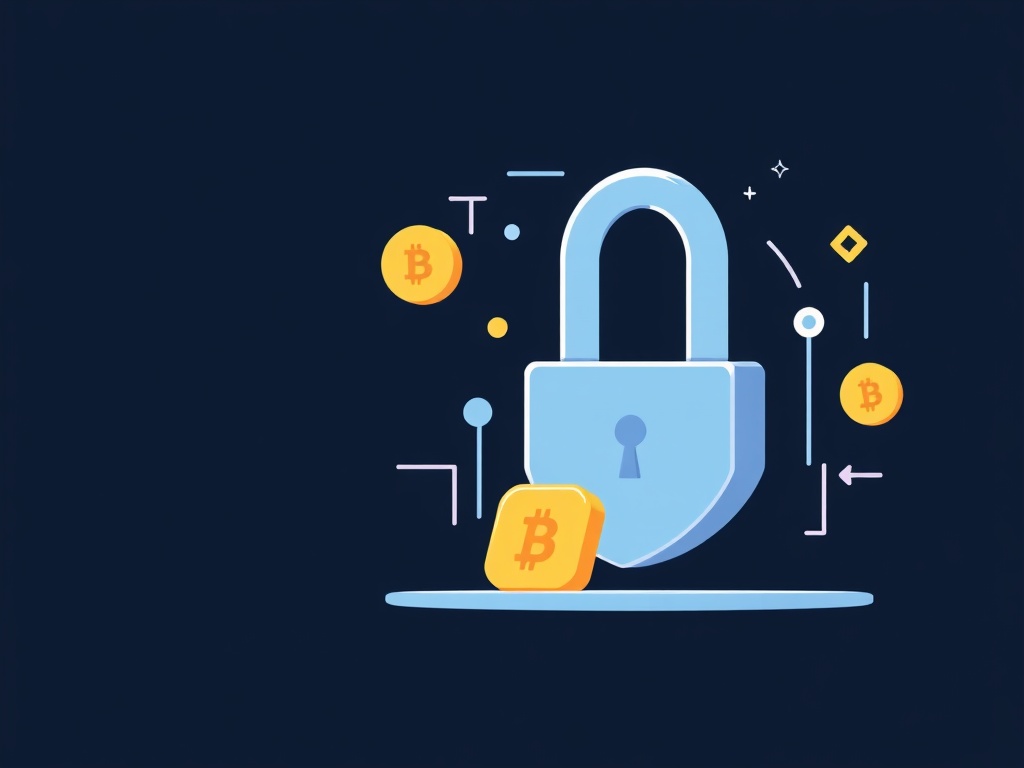
In the rapidly evolving world of cryptocurrency, security is paramount. As digital assets become more valuable, the need for robust protection mechanisms has never been greater. A crypto password manager is a specialized tool designed to securely store and manage passwords for cryptocurrency-related accounts. Whether you're a seasoned investor or a newcomer to the crypto space, understanding how to safeguard your digital assets is crucial. This article explores the importance of a crypto password manager, how to choose the right one, and best practices for maximizing its effectiveness.
What is a Crypto Password Manager?
A crypto password manager is a software application or service that helps users store, organize, and manage passwords for cryptocurrency wallets, exchanges, and other digital assets. Unlike traditional password managers, which focus on general online accounts, a crypto password manager is tailored to the unique security needs of cryptocurrency users. It often includes features like encryption, two-factor authentication, and secure sharing options to protect sensitive information.
Definition and Purpose
The primary purpose of a crypto password manager is to eliminate the risks associated with weak or reused passwords. Cryptocurrency users often manage multiple accounts across exchanges, wallets, and decentralized platforms, making it easy to fall into the trap of using the same password for multiple services. A crypto password manager addresses this by generating strong, unique passwords for each account and storing them in an encrypted vault. This reduces the likelihood of unauthorized access and minimizes the impact of a potential data breach.
Key Features of a Crypto Password Manager
Modern crypto password managers offer a range of features designed to enhance security and usability. These include:
- End-to-end encryption: Ensures that passwords and sensitive data are protected from unauthorized access, even if the device is compromised.
- Two-factor authentication (2FA): Adds an extra layer of security by requiring a second form of verification, such as a code sent to a mobile device.
- Secure sharing: Allows users to share passwords with trusted individuals without exposing them to potential threats.
- Cross-platform compatibility: Works seamlessly across devices, including desktops, smartphones, and tablets.
- Password generation: Creates complex, randomized passwords that are difficult to crack.
By leveraging these features, a crypto password manager provides a comprehensive solution for managing the growing number of digital assets in the cryptocurrency ecosystem.
Why You Need a Crypto Password Manager
The cryptocurrency landscape is inherently risky, with threats ranging from phishing attacks to malware and hacking attempts. A crypto password manager is not just a convenience tool—it’s a critical component of a robust security strategy. Here’s why every crypto user should consider using one:
Protecting Against Phishing and Social Engineering
Phishing attacks are a common tactic used by cybercriminals to steal login credentials. A crypto password manager can help mitigate this risk by auto-filling login details only on trusted websites. This reduces the chances of users accidentally entering their information on fake or malicious sites. Additionally, many crypto password managers include browser extensions that detect phishing attempts and warn users before they proceed.
Preventing Password Reuse
One of the most significant security vulnerabilities in the crypto space is password reuse. If a user employs the same password across multiple platforms, a single breach can compromise all their accounts. A crypto password manager eliminates this risk by generating unique passwords for each service. This ensures that even if one account is compromised, the others remain secure.
Simplifying Multi-Account Management
Managing multiple cryptocurrency accounts can be overwhelming, especially when dealing with wallets, exchanges, and decentralized finance (DeFi) platforms. A crypto password manager streamlines this process by centralizing all login credentials in one secure location. Users can access their passwords with a single master password, reducing the need to remember multiple complex combinations.
How to Choose the Right Crypto Password Manager
With so many options available, selecting the right crypto password manager can be challenging. To make an informed decision, consider the following factors:
Security Features
Security should be the top priority when choosing a crypto password manager. Look for tools that offer end-to-end encryption, zero-knowledge architecture, and regular security audits. A crypto password manager should also support two-factor authentication and biometric login options to enhance protection. Avoid services that store passwords in plain text or have a history of security breaches.
User Experience and Accessibility
A crypto password manager should be user-friendly, even for those with limited technical expertise. The interface should be intuitive, with features like password autofill, cross-device synchronization, and easy password recovery options. Additionally, consider whether the tool supports mobile apps, as many users manage their crypto assets on the go.
Compatibility with Crypto Platforms
Not all crypto password managers are created equal when it comes to compatibility. Ensure the tool you choose integrates seamlessly with popular cryptocurrency exchanges, wallets, and DeFi platforms. Some managers may offer browser extensions or mobile apps specifically designed for crypto users, making them more convenient to use.
Top Crypto Password Managers in 2023
Now that you understand the importance of a crypto password manager, let’s explore some of the most trusted options available in 2023. These tools have been evaluated based on security, features, and user reviews:
Bitwarden
Bitwarden is a highly regarded crypto password manager known for its open-source nature and robust security features. It offers end-to-end encryption, two-factor authentication, and a free version with basic functionality. The premium version includes additional features like unlimited sharing and advanced security settings. Bitwarden’s transparency and regular security audits make it a popular choice among crypto enthusiasts.
1Password
1Password is another top-tier crypto password manager that combines ease of use with strong security. It supports biometric login, secure sharing, and cross-platform synchronization. The tool also includes a travel mode feature, which temporarily removes sensitive data from the device to protect it during travel. While 1Password is a paid service, its comprehensive feature set and reliability make it a worthwhile investment for serious crypto users.
LastPass
LastPass is a well-established crypto password manager that has been a favorite among general users for years. It offers a free version with essential features and a premium plan for advanced security. The tool supports two-factor authentication, password health reports, and secure sharing. However, it’s important to note that LastPass has faced some security concerns in the past, so users should stay informed about its latest updates and security practices.
Best Practices for Using a Crypto Password Manager
Even the most secure crypto password manager can be compromised if not used correctly. Here are some best practices to maximize its effectiveness:
Create a Strong Master Password
The master password is the key to accessing your crypto password manager. It should be long, unique, and difficult to guess. Avoid using personal information, such as your name or birthdate, and consider using a passphrase instead. A passphrase combines multiple words into a single, memorable string, making it both secure and easy to remember.
Enable Two-Factor Authentication
Two-factor authentication (2FA) adds an extra layer of security to your crypto password manager. Enable this feature to ensure that even if someone obtains your master password, they cannot access your account without the second verification step. Common 2FA methods include SMS codes, authenticator apps, and hardware security keys.
Regularly Update and Backup Your Data
Cryptocurrency users often overlook the importance of regular backups. A crypto password manager should allow you to export your data in an encrypted format. Store these backups in a secure location, such as an external hard drive or a cloud storage service with strong encryption. Regularly updating your passwords and reviewing your account activity can also help detect any suspicious behavior early.
Stay Informed About Security Threats
The cryptocurrency landscape is constantly evolving, and so are the threats to digital security. Stay informed about the latest vulnerabilities and best practices for using a crypto password manager. Follow reputable sources for updates on security patches, software updates, and emerging threats. By staying proactive, you can better protect your digital assets from potential risks.
Conclusion: The Future of Crypto Security
As the cryptocurrency industry continues to grow, the need for secure password management solutions becomes increasingly critical. A crypto password manager is no longer a luxury but a necessity for anyone serious about protecting their digital assets. By choosing the right tool and following best practices, users can significantly reduce the risk of unauthorized access and ensure the safety of their investments. Whether you’re a casual investor or a high-net-worth individual, investing in a reliable crypto password manager is a smart decision that pays off in the long run.
In summary, a crypto password manager is an essential tool for managing the complexities of cryptocurrency security. It not only simplifies password management but also provides advanced features to protect against evolving threats. As the crypto ecosystem matures, the role of a crypto password manager will only become more vital in safeguarding the future of digital finance.

The Future of Digital Security: How Crypto Password Managers Are Revolutionizing Web3 Access
As a DeFi and Web3 analyst, I’ve observed a critical shift in how users manage digital assets. Traditional password managers, while effective for centralized systems, fall short in the decentralized Web3 ecosystem. A crypto password manager addresses this gap by integrating blockchain-based encryption and decentralized storage, offering users greater control over their credentials. Unlike conventional tools, these solutions leverage smart contracts and cryptographic keys to ensure that passwords are not stored in a single vulnerable point. This aligns with Web3’s ethos of self-sovereign identity, where users retain full ownership of their data without relying on third-party intermediaries.
Practical insights reveal that crypto password managers are not just about security—they’re about interoperability. For instance, they can seamlessly sync with DeFi protocols, NFT marketplaces, and DAOs, allowing users to manage multiple wallets and access credentials across platforms. Features like biometric authentication and multi-signature approvals add layers of protection, reducing the risk of phishing or unauthorized access. However, the success of these tools hinges on user education. Many Web3 adopters still underestimate the importance of securing their private keys, and a crypto password manager must bridge this knowledge gap through intuitive design and transparent governance models.
Looking ahead, the evolution of crypto password managers will likely mirror the growth of decentralized identity solutions. As Web3 matures, we’ll see increased adoption of zero-knowledge proofs and decentralized identifiers (DIDs) to enhance privacy. For now, the key takeaway is clear: in a world where digital assets are as valuable as physical ones, a crypto password manager is no longer a luxury—it’s a necessity. By prioritizing security, transparency, and user empowerment, these tools are poised to become the backbone of Web3’s next phase of innovation.