Passport Hardware Wallet: A Secure Solution for Cryptocurrency Storage
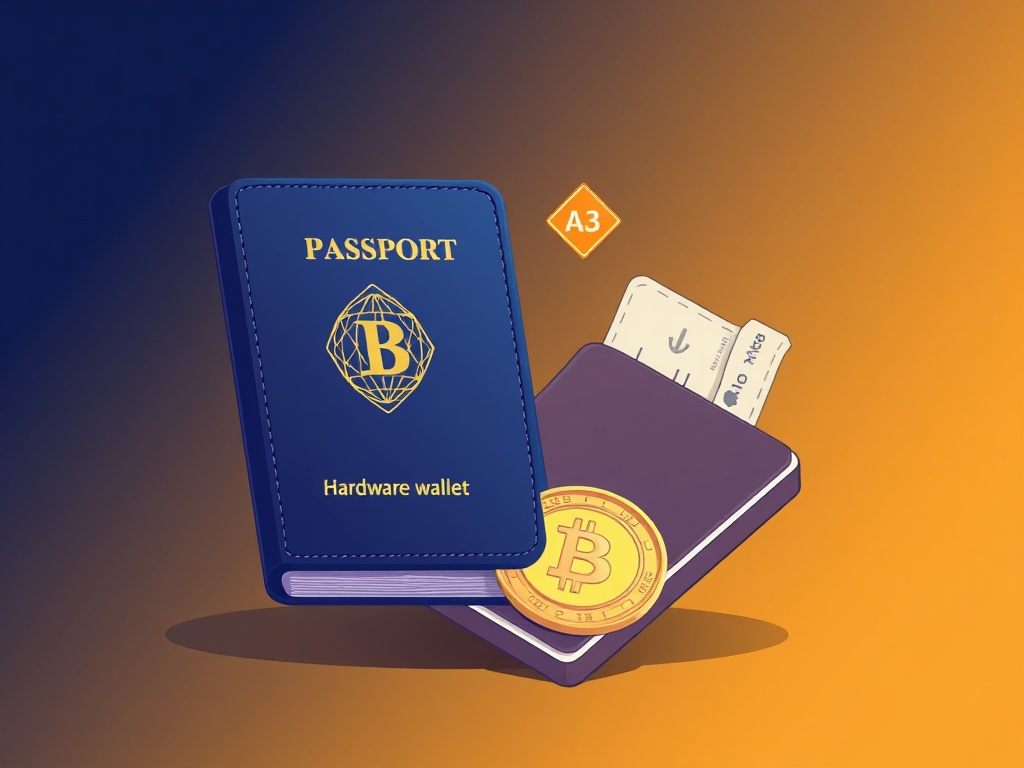
The Passport hardware wallet has emerged as a trusted tool for safeguarding digital assets in the rapidly evolving world of cryptocurrency. As cyber threats become more sophisticated, the need for robust security measures has never been greater. The Passport hardware wallet offers a reliable way to store, manage, and transact with cryptocurrencies like Bitcoin, Ethereum, and others. This article explores the features, benefits, and practical applications of the Passport hardware wallet, providing a comprehensive guide for users seeking to protect their digital wealth.
Understanding the Passport Hardware Wallet
What is a Hardware Wallet?
A hardware wallet is a physical device designed to store cryptocurrency securely. Unlike software wallets, which are vulnerable to hacking and malware, hardware wallets keep private keys offline, significantly reducing the risk of unauthorized access. The Passport hardware wallet is one such device that combines advanced security with user-friendly design, making it a popular choice among both novice and experienced crypto users.
The Role of the Passport in Cryptocurrency Security
The Passport hardware wallet plays a critical role in ensuring the safety of digital assets. By storing private keys in a secure, isolated environment, it prevents exposure to online threats. This is particularly important for users who hold large amounts of cryptocurrency or engage in frequent transactions. The Passport hardware wallet also supports multiple cryptocurrencies, allowing users to manage diverse portfolios from a single device.
Key Features and Security Measures
Advanced Encryption Protocols
The Passport hardware wallet employs state-of-the-art encryption technologies to protect user data. Its secure element chip, a tamper-resistant hardware component, ensures that private keys remain encrypted even when the device is connected to a computer or mobile device. This level of security is essential for preventing unauthorized access and ensuring the integrity of transactions.
Backup and Recovery Options
One of the standout features of the Passport hardware wallet is its robust backup and recovery system. Users can create a recovery phrase during setup, which serves as a fail-safe in case the device is lost or damaged. This phrase, typically a 12- or 24-word sequence, allows users to restore their wallet on a new device. The Passport hardware wallet also supports multi-signature configurations, adding an extra layer of security for high-value accounts.
User-Friendly Interface
Despite its advanced security features, the Passport hardware wallet is designed with simplicity in mind. Its intuitive interface makes it easy for users to navigate, send, and receive cryptocurrencies. The device’s compact size and portability further enhance its appeal, making it a practical choice for on-the-go users. Whether you’re a seasoned investor or a beginner, the Passport hardware wallet offers a seamless experience without compromising on security.
How to Use the Passport Hardware Wallet
Setting Up Your Passport
Setting up the Passport hardware wallet is a straightforward process. First, users must download the official software from the manufacturer’s website. Once installed, the device is connected via USB or Bluetooth, depending on the model. During setup, the user is prompted to create a recovery phrase and set a PIN code. These steps ensure that the Passport hardware wallet is fully secured before any transactions are made.
Using the Passport with BTC Mixer
For users who prioritize privacy, the Passport hardware wallet integrates seamlessly with BTC Mixer, a service that enhances transaction anonymity. By connecting the Passport hardware wallet to BTC Mixer, users can obfuscate their transaction history, making it more difficult for third parties to trace their activities. This feature is particularly valuable for individuals who value financial privacy and want to minimize their digital footprint.
Best Practices for Secure Usage
To maximize the security of the Passport hardware wallet, users should follow best practices such as keeping the recovery phrase offline, avoiding public Wi-Fi networks when making transactions, and regularly updating the device’s firmware. Additionally, it’s advisable to store the wallet in a secure location, such as a safe or a locked drawer, to prevent physical theft. These measures ensure that the Passport hardware wallet remains a reliable safeguard for digital assets.
Comparing the Passport with Other Hardware Wallets
Passport vs. Ledger
When comparing the Passport hardware wallet to other popular options like Ledger, several factors come into play. While Ledger is known for its extensive cryptocurrency support, the Passport hardware wallet distinguishes itself with its user-friendly design and seamless integration with BTC Mixer. Both devices offer strong security, but the Passport hardware wallet may be more appealing to users who prioritize ease of use and privacy-focused features.
Passport vs. Trezor
Trezor is another well-established hardware wallet, but the Passport hardware wallet offers unique advantages. For instance, the Passport hardware wallet supports a wider range of cryptocurrencies and provides a more intuitive interface for beginners. Additionally, its compatibility with BTC Mixer gives it an edge for users seeking enhanced privacy. While both devices are secure, the Passport hardware wallet may be the better choice for those looking for a balance between security and convenience.
Why Choose the Passport Hardware Wallet
User Experience and Interface
The Passport hardware wallet is designed with the end-user in mind. Its clean interface and straightforward navigation make it accessible to users of all skill levels. Unlike some competitors, the Passport hardware wallet does not require extensive technical knowledge to operate. This makes it an ideal option for individuals who want to secure their cryptocurrency without the hassle of complex setup processes.
Compatibility and Flexibility
One of the key strengths of the Passport hardware wallet is its compatibility with multiple platforms and operating systems. Whether you’re using a Windows PC, Mac, or mobile device, the Passport hardware wallet can be easily integrated into your existing setup. This flexibility ensures that users can manage their assets from any device, making it a versatile solution for modern cryptocurrency enthusiasts.
Cost-Effectiveness and Value
While the initial cost of the Passport hardware wallet may be higher than some software wallets, its long-term value is undeniable. By preventing potential losses from hacking or theft, the Passport hardware wallet offers a cost-effective way to protect digital assets. Additionally, its durability and reliability make it a worthwhile investment for users who plan to hold cryptocurrency for the long term.
Conclusion: The Future of Secure Cryptocurrency Storage
The Passport hardware wallet represents a significant advancement in the field of cryptocurrency security. Its combination of robust encryption, user-friendly design, and compatibility with services like BTC Mixer makes it a top choice for users seeking to safeguard their digital wealth. As the cryptocurrency landscape continues to evolve, the Passport hardware wallet stands out as a reliable and innovative solution for secure storage. Whether you’re a seasoned investor or a newcomer to the world of crypto, the Passport hardware wallet is a valuable tool that can help you navigate the complexities of digital asset management with confidence.

Passport Hardware Wallet: A Secure Gateway to Digital Asset Sovereignty
As a quantitative analyst with deep roots in traditional finance and cryptocurrency markets, I’ve observed how hardware wallets have evolved from niche tools to essential components of digital asset security. The Passport hardware wallet stands out in this landscape by combining military-grade encryption with user-centric design. Its secure element chip, which isolates private keys from the device’s main processor, ensures that even if the wallet is compromised, the keys remain protected. This is critical in an era where phishing attacks and malware are increasingly sophisticated. For institutional investors and high-net-worth individuals, the Passport’s ability to support multiple blockchain networks and integrate with decentralized applications (dApps) makes it a versatile solution for managing diverse portfolios.
What truly sets the Passport hardware wallet apart is its balance between security and usability. While many hardware wallets prioritize technical complexity, the Passport streamlines the user experience without sacrificing robustness. Its intuitive interface allows users to verify transactions on a physical screen, reducing the risk of accidental approvals. Additionally, the wallet’s recovery process leverages a 24-word seed phrase, a standard in the industry, but with enhanced entropy to mitigate brute-force attacks. For traders and developers, the Passport’s API integration enables seamless interaction with on-chain analytics tools, empowering data-driven decision-making. This dual focus on security and accessibility positions it as a bridge between retail and institutional adoption.
From a market microstructure perspective, the Passport hardware wallet’s adoption could catalyze broader institutional participation in crypto markets. By reducing counterparty risk and enhancing transparency, it addresses key concerns for traditional finance players hesitant to enter the space. Moreover, its compatibility with emerging protocols like zero-knowledge proofs and multi-signature wallets aligns with the industry’s shift toward decentralized identity and self-sovereign finance. As a strategist, I see the Passport not just as a product but as a catalyst for redefining how assets are stored, transferred, and governed in the digital age. Its success will hinge on continuous innovation to stay ahead of evolving threats and regulatory landscapes.