Monero No KYC Exchange: A Secure and Private Way to Trade Cryptocurrency
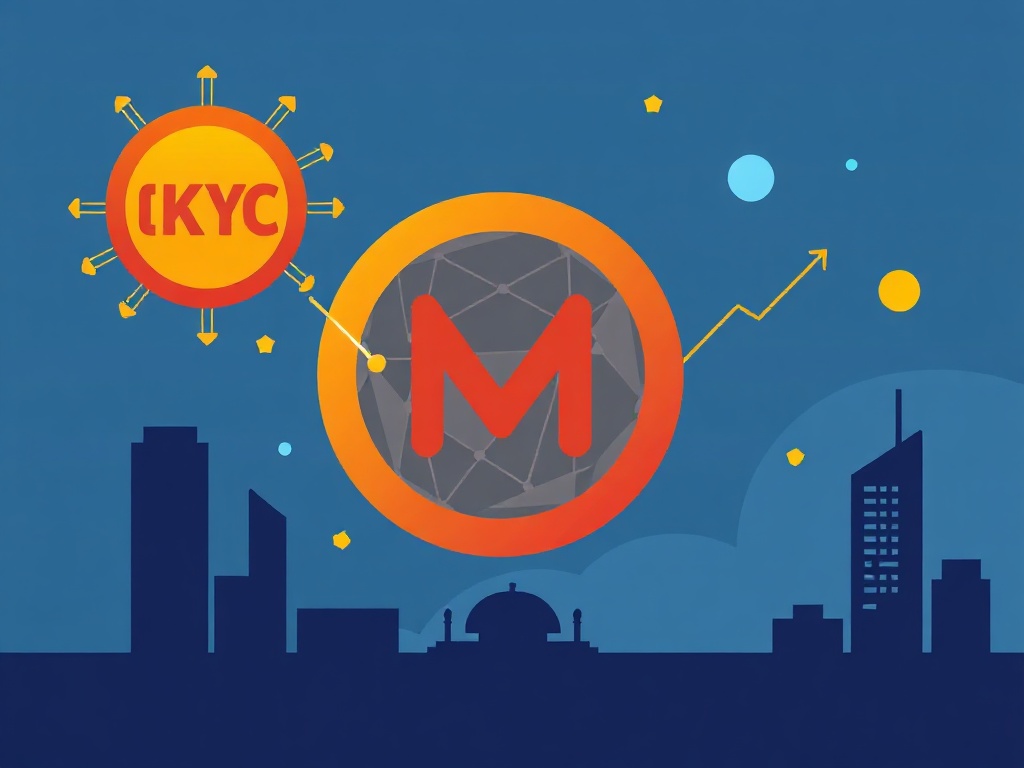
In the evolving landscape of cryptocurrency, privacy and security have become paramount concerns for users. A monero no KYC exchange offers a unique solution for those seeking to trade Monero without undergoing traditional Know Your Customer (KYC) procedures. This article explores the concept of a monero no KYC exchange, its benefits, risks, and how to navigate this niche effectively. Whether you’re a privacy-conscious trader or someone looking to bypass regulatory hurdles, understanding this concept is essential in today’s digital economy.
What is a Monero No KYC Exchange?
Definition and Key Features
A monero no KYC exchange refers to a platform that allows users to buy, sell, or trade Monero without requiring personal identification documents. Unlike traditional exchanges that mandate KYC verification, these platforms prioritize user anonymity. Key features include decentralized operations, minimal data collection, and a focus on privacy. Monero, a cryptocurrency known for its advanced privacy features, is particularly well-suited for such exchanges due to its obfuscation technology, which makes transactions untraceable.How It Differs from Traditional Exchanges
Traditional cryptocurrency exchanges typically require users to submit personal information, such as government-issued IDs and proof of address, to comply with anti-money laundering (AML) regulations. In contrast, a monero no KYC exchange eliminates this step, allowing users to transact without exposing their identities. This difference is significant for individuals who value financial privacy or operate in regions with strict financial regulations. However, it also raises questions about security and accountability, which we will explore in later sections.Why Choose Monero for No KYC Transactions?
Privacy and Anonymity Features of Monero
Monero’s design is inherently focused on privacy. Unlike Bitcoin, which records transaction details on a public ledger, Monero uses ring signatures and stealth addresses to obscure the sender, receiver, and transaction amount. This makes it an ideal choice for a monero no KYC exchange, as users can maintain complete anonymity. The cryptocurrency’s privacy features are a major draw for those who wish to avoid surveillance or financial tracking.Advantages Over Other Cryptocurrencies
While other privacy-focused cryptocurrencies like Zcash or Dash exist, Monero’s robust privacy protocol gives it a distinct edge. Its open-source nature and active development community ensure continuous improvements in security. For users of a monero no KYC exchange, this means a higher level of trust in the platform’s ability to protect their data. Additionally, Monero’s widespread adoption in privacy-centric markets makes it a more accessible option compared to niche alternatives.How to Find a Reliable Monero No KYC Exchange
Criteria for Selecting a Trustworthy Exchange
Not all platforms claiming to offer a monero no KYC exchange are legitimate. To ensure safety, users should evaluate exchanges based on several criteria. First, check for a strong reputation within the cryptocurrency community. Look for reviews, forums, or social media discussions that highlight the platform’s reliability. Second, verify the exchange’s security measures, such as two-factor authentication (2FA) and cold storage for funds. Third, assess the platform’s transparency regarding its operations and policies. A trustworthy exchange will clearly outline its no KYC process and any potential risks involved.Popular Platforms and Their Offerings
Several platforms cater to users seeking a monero no KYC exchange. Examples include decentralized exchanges (DEXs) like Bisq or decentralized finance (DeFi) platforms that support Monero. However, it’s crucial to research each platform thoroughly. Some may offer limited liquidity or lack customer support, which can be problematic for new users. Additionally, some exchanges may operate in gray areas legally, so users should be aware of the potential risks. Always prioritize platforms with a proven track record and positive user feedback.Risks and Considerations of Using a No KYC Exchange
Security Vulnerabilities and Scams
One of the primary risks associated with a monero no KYC exchange is the potential for security breaches. Without KYC requirements, these platforms may be more susceptible to hacking or fraud. For instance, a malicious actor could exploit the lack of verification to steal funds or manipulate transactions. Additionally, scams are prevalent in this space, with fake exchanges luring users with promises of anonymity. It’s essential to conduct thorough due diligence before engaging with any platform.Legal and Regulatory Challenges
The absence of KYC in a monero no KYC exchange can lead to legal complications. Many jurisdictions have strict regulations requiring financial institutions to verify user identities. Using a no KYC exchange may violate these laws, exposing users to potential penalties. Furthermore, regulatory bodies may target platforms that facilitate anonymous transactions, leading to sudden shutdowns or legal action. Users should be aware of the legal implications in their region and consider consulting legal experts if necessary.The Future of Monero in No KYC Exchanges
Trends and Developments
The demand for privacy-focused financial tools is growing, and Monero is likely to play a significant role in this trend. As more users seek alternatives to traditional banking systems, the popularity of monero no KYC exchanges may increase. Developments in blockchain technology, such as improved privacy protocols or integration with decentralized identity systems, could further enhance the appeal of Monero. Additionally, regulatory changes may influence how these exchanges operate, potentially leading to more structured no KYC platforms.Best Practices for Users
To mitigate risks, users should adopt best practices when using a monero no KYC exchange. This includes using hardware wallets for storage, avoiding sharing sensitive information, and regularly updating security protocols. It’s also advisable to start with small transactions to test the platform’s reliability. Staying informed about the latest news in the cryptocurrency space can help users make informed decisions.In conclusion, a monero no KYC exchange offers a compelling option for those prioritizing privacy and anonymity in cryptocurrency transactions. However, it’s crucial to balance these benefits with the inherent risks. By understanding the features, risks, and best practices associated with such exchanges, users can make informed choices that align with their financial goals. As the cryptocurrency landscape continues to evolve, the role of Monero in no KYC exchanges will likely expand, offering new opportunities for privacy-conscious individuals.

Monero No KYC Exchange: Balancing Privacy and Risk in a Regulated Market
As a Senior Crypto Market Analyst with over a decade of experience, I’ve observed how privacy-focused cryptocurrencies like Monero continue to challenge traditional financial paradigms. A "monero no KYC exchange" represents a niche but critical segment of the crypto ecosystem, catering to users prioritizing anonymity. While Monero’s inherent privacy features make it a natural fit for such platforms, the absence of Know Your Customer (KYC) protocols introduces significant risks. From a practical standpoint, these exchanges often attract users seeking to bypass regulatory scrutiny, which can lead to misuse for illicit activities. However, they also serve legitimate purposes, such as protecting whistleblowers or individuals in oppressive regimes. The key challenge lies in balancing user privacy with the need for compliance, a tension that will likely intensify as global regulators tighten their grip on crypto markets.
From a risk assessment perspective, monero no KYC exchanges are a double-edged sword. On one hand, Monero’s advanced cryptographic protocols—like ring signatures and stealth addresses—offer unparalleled transaction privacy, making it difficult for exchanges to trace funds. This aligns with the ethos of decentralization but complicates efforts to prevent money laundering or fraud. Institutions, in particular, may avoid these platforms due to compliance burdens, yet retail investors might flock to them for perceived security. My analysis suggests that while these exchanges can thrive in the short term, their long-term viability depends on how well they adapt to evolving regulatory frameworks. For instance, some platforms are exploring hybrid models that maintain privacy while integrating selective KYC measures for high-risk transactions. This pragmatic approach could mitigate risks without sacrificing Monero’s core appeal. Users should, however, remain vigilant about counterparty risks, as the lack of KYC often correlates with lower liquidity or security standards.
Looking ahead, the role of monero no KYC exchanges will likely hinge on geopolitical and regulatory shifts. Countries with stringent anti-money laundering laws may push for outright bans, while others might adopt more nuanced policies. As a market analyst, I advise investors to view these platforms as speculative rather than core holdings. Diversification remains critical, and users should prioritize exchanges with robust security infrastructure despite their no KYC status. Ultimately, Monero’s success in this space will depend on its ability to innovate beyond privacy—perhaps through enhanced transparency tools or integration with compliant financial systems. For now, monero no KYC exchanges exemplify the ongoing struggle between privacy rights and regulatory oversight, a dynamic that will shape the crypto market for years to come."