Keep a Dedicated Cold Wallet Offline: Securing Your Cryptocurrency in the Digital Age
Understanding the Importance of Keeping a Dedicated Cold Wallet Offline
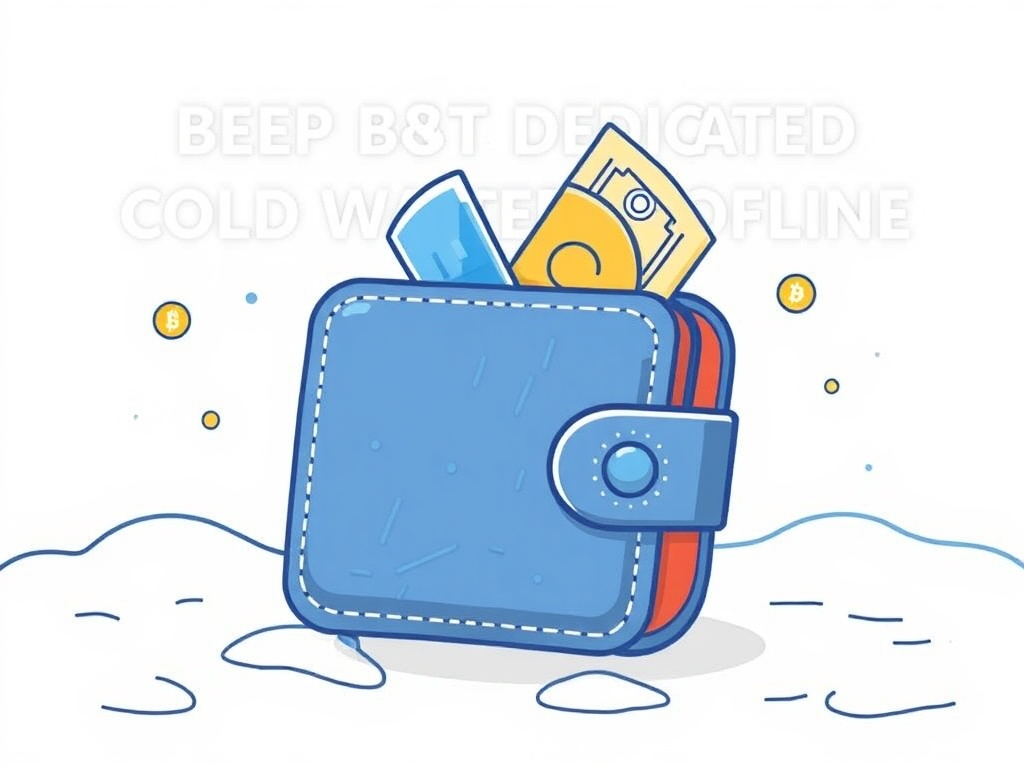
In the rapidly evolving world of cryptocurrency, security remains a top priority for users and investors. One of the most effective ways to protect digital assets is to keep a dedicated cold wallet offline. Unlike hot wallets, which are connected to the internet and vulnerable to hacking, cold wallets operate entirely offline, significantly reducing the risk of unauthorized access. This approach is particularly crucial for those holding large amounts of cryptocurrency or valuable digital assets.
Why Offline Storage Matters
- Reduced attack surface: Cold wallets are not exposed to online threats such as phishing, malware, or DDoS attacks.
- Physical control: By keeping your wallet offline, you maintain direct control over your private keys, which are the foundation of cryptocurrency security.
- Long-term preservation: Cold wallets are ideal for storing assets over extended periods, as they are less susceptible to cyber threats compared to online solutions.
The Risks of Online Storage
While hot wallets offer convenience, they come with inherent risks. A single breach can result in the loss of funds, and even reputable platforms can be compromised. For instance, if you keep a dedicated cold wallet offline, you eliminate the possibility of remote attacks. This is especially important in an era where cybercriminals are constantly developing new methods to exploit digital vulnerabilities.
Setting Up a Dedicated Cold Wallet Offline
Creating a cold wallet requires careful planning and execution. The process involves selecting the right hardware, generating secure private keys, and ensuring the wallet remains disconnected from any network. This section will guide you through the steps to keep a dedicated cold wallet offline effectively.
Choosing the Right Cold Wallet Hardware
Not all cold wallets are created equal. When selecting hardware, consider factors such as brand reputation, security features, and ease of use. Popular options include hardware wallets like Ledger and Trezor, which are designed to store private keys offline. These devices are specifically engineered to keep a dedicated cold wallet offline, ensuring that your assets are protected from digital threats.
- Research reputable brands with a proven track record in security.
- Opt for wallets that support multiple cryptocurrencies if needed.
- Avoid third-party modifications or custom firmware that could compromise security.
Generating and Storing Private Keys Securely
The private key is the most critical component of any cold wallet. It must be generated in a secure environment and stored in a physical location that is inaccessible to unauthorized parties. Here’s how to ensure your private keys remain safe:
- Generate keys offline: Use a secure, air-gapped computer or a dedicated device to create your private keys. Avoid using online tools or public networks during this process.
- Backup your keys: Store multiple copies of your private keys in separate physical locations, such as a safe or a safety deposit box.
- Never share your private keys: Even a single exposure can lead to the loss of your entire balance.
Ensuring the Wallet Remains Offline
Once your cold wallet is set up, it is essential to maintain its offline status. This means avoiding any connection to the internet, including Wi-Fi or mobile data. Here are some best practices to keep a dedicated cold wallet offline:
- Store the wallet in a secure, physical location, such as a locked drawer or a safe.
- Use a dedicated computer or device for interacting with the wallet, ensuring it is not connected to the internet.
- Regularly test the wallet’s functionality to ensure it remains operational without online access.
Best Practices for Maintaining a Cold Wallet Offline
Even after setting up a cold wallet, ongoing maintenance is crucial to ensure its security. This section outlines key practices to help you keep a dedicated cold wallet offline and protect your assets from potential threats.
Regular Security Audits
Conducting periodic security audits is a proactive way to identify vulnerabilities. While your cold wallet is offline, you can still review its configuration and ensure that all security measures are in place. This includes checking for firmware updates, verifying the integrity of your private keys, and confirming that the wallet is not exposed to any external threats.
Physical Security Measures
The physical security of your cold wallet is just as important as its digital security. Since the wallet is offline, it is vulnerable to physical theft or damage. Implementing robust physical security measures can significantly reduce these risks:
- Use a secure storage solution: Keep the wallet in a fireproof and waterproof safe or a safety deposit box.
- Limit access: Ensure that only authorized individuals have access to the wallet’s location.
- Insure your assets: Consider insuring your cryptocurrency holdings to mitigate losses from theft or damage.
Updating Your Cold Wallet Strategy
Cryptocurrency technology evolves rapidly, and your cold wallet strategy should adapt accordingly. While the goal is to keep a dedicated cold wallet offline, it’s important to stay informed about new security threats and best practices. For example, if a new type of attack emerges that targets offline storage, you may need to adjust your approach. Regularly reviewing and updating your cold wallet setup ensures long-term security.
Common Mistakes to Avoid When Keeping a Cold Wallet Offline
Despite the advantages of cold storage, many users make critical errors that compromise their security. This section highlights common mistakes to avoid when you aim to keep a dedicated cold wallet offline.
Neglecting Backup Procedures
One of the most frequent mistakes is failing to create and maintain proper backups of private keys. If your cold wallet is lost, damaged, or stolen, and you don’t have a backup, your funds could be permanently lost. Always ensure that you have multiple copies of your private keys stored in secure, separate locations.
Using Insecure Storage Locations
Storing your cold wallet in an insecure location, such as a drawer or a desk, increases the risk of theft or damage. Even if the wallet is offline, physical security is paramount. Avoid placing the wallet in areas accessible to others or in places prone to environmental hazards like water or fire.
Failing to Test the Wallet Regularly
It’s easy to assume that a cold wallet is always functional, but this is not always the case. Over time, hardware can degrade, or software can become outdated. Regularly testing your cold wallet ensures that it remains operational and that you can access your funds when needed. This is a crucial step in maintaining the integrity of your offline storage strategy.
The Role of Cold Wallets in a Broader Security Strategy
While keeping a dedicated cold wallet offline is a powerful security measure, it should be part of a comprehensive security strategy. This section explores how cold wallets fit into the larger context of cryptocurrency security and how they can complement other practices.
Integrating Cold Wallets with Hot Wallets
Many users maintain both cold and hot wallets to balance security and convenience. Hot wallets are used for everyday transactions, while cold wallets store larger amounts of cryptocurrency. By keeping a dedicated cold wallet offline, you ensure that your most valuable assets are protected, even if your hot wallet is compromised. This layered approach minimizes risk and provides flexibility in managing your digital assets.
Combining Cold Storage with Other Security Measures
Cold wallets are most effective when used alongside other security practices. For example, enabling two-factor authentication (2FA) on your hot wallets, using strong passwords, and avoiding phishing scams can enhance overall security. Additionally, if you use a Bitcoin mixer or other privacy tools, ensuring that your cold wallet remains offline adds an extra layer of protection against potential threats.
Educating Yourself and Others
Security is not just about technology; it’s also about knowledge. Educating yourself and others about the importance of keeping a dedicated cold wallet offline can prevent costly mistakes. Share best practices with family members or colleagues who may also hold cryptocurrency. The more people understand the risks and benefits of cold storage, the better equipped they will be to protect their assets.
Conclusion: The Long-Term Value of Keeping a Dedicated Cold Wallet Offline
In conclusion, keeping a dedicated cold wallet offline is a fundamental practice for anyone serious about securing their cryptocurrency. While it requires effort and attention to detail, the benefits far outweigh the challenges. By following best practices, avoiding common mistakes, and integrating cold storage into a broader security strategy, you can significantly reduce the risk of losing your digital assets to cyber threats. As the cryptocurrency landscape continues to evolve, the importance of offline storage will only grow, making it an essential component of any secure investment plan.
Ultimately, the decision to keep a dedicated cold wallet offline is a proactive step toward safeguarding your financial future. With the right approach, you can enjoy the peace of mind that comes with knowing your assets are protected from the ever-present dangers of the digital world.

Keep a Dedicated Cold Wallet Offline: A Non-Negotiable Practice for Web3 Security
As a DeFi and Web3 analyst, I’ve seen firsthand how the rapid evolution of decentralized ecosystems has introduced unprecedented risks. While innovation in protocols and tokenomics drives progress, it also amplifies vulnerabilities. One of the most critical yet underemphasized strategies for safeguarding digital assets is to keep a dedicated cold wallet offline. This isn’t just a precaution—it’s a foundational security measure that separates high-value holdings from the constant threat of online exploits. Cold wallets, by design, operate outside internet-connected environments, rendering them immune to phishing attacks, exchange hacks, and smart contract vulnerabilities. For anyone managing significant assets, whether through yield farming, liquidity mining, or governance participation, this practice is non-negotiable. The peace of mind it provides outweighs any inconvenience, especially when considering the irreversible consequences of a breach.
Practically, keeping a dedicated cold wallet offline requires discipline and a clear understanding of your risk tolerance. For instance, during volatile market conditions or when participating in high-risk DeFi strategies, segregating funds into an offline storage solution ensures that only a portion of your capital is exposed. This aligns with my research on liquidity mining, where sudden impermanent loss or protocol failures can occur. By maintaining a cold wallet, users can preserve capital for critical moments—like governance votes or emergency liquidations—without compromising security. Tools like hardware wallets (e.g., Ledger or Trezor) offer robust offline storage, but the key is consistency. Regularly auditing your cold wallet’s contents and ensuring private keys remain physically secure are practical steps that reinforce this strategy. Ignoring this practice risks not just financial loss but also erodes trust in the broader Web3 ecosystem, which relies on user responsibility as much as technological innovation.