How to Time Exchange Withdrawals for Privacy: A Comprehensive Guide to Secure Crypto Transactions
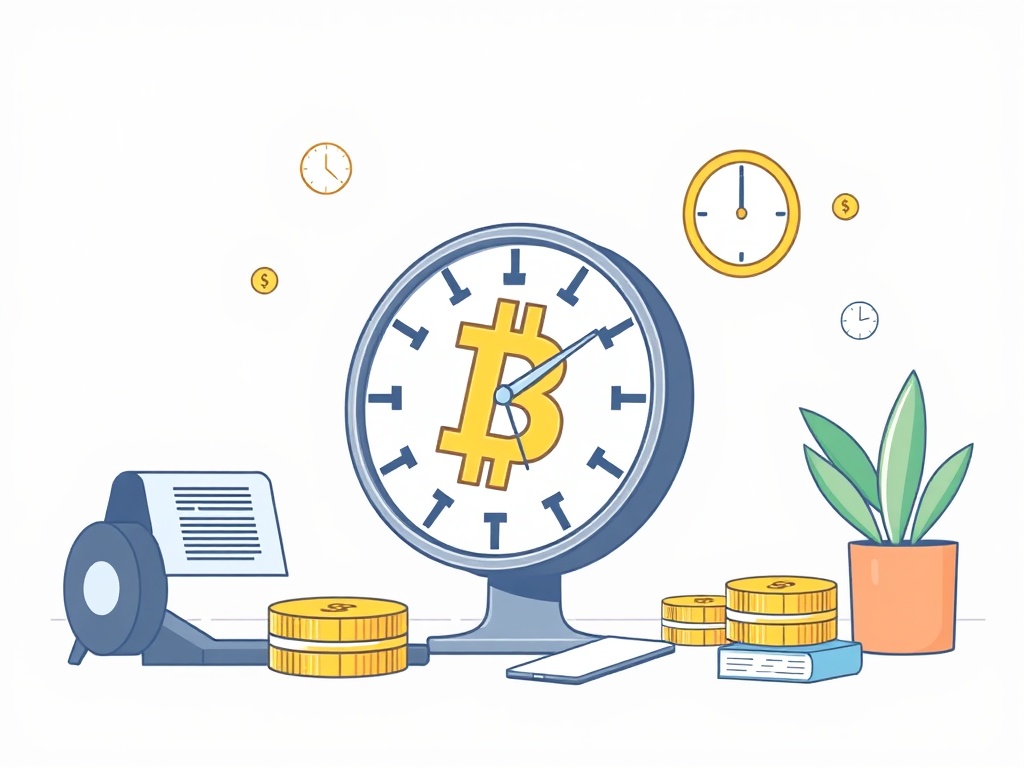
In the rapidly evolving world of cryptocurrency, privacy has become a critical concern for users. As digital assets gain mainstream adoption, the need to protect personal information and transaction details has never been more urgent. One effective strategy for enhancing privacy is learning how to time exchange withdrawals for privacy. This approach involves strategically scheduling the timing of your cryptocurrency withdrawals to minimize the risk of being tracked or monitored by third parties. Whether you’re using a mixing service like BTCMixer or managing your own exchanges, understanding the nuances of timing can significantly bolster your anonymity. In this article, we’ll explore the principles, strategies, and tools that can help you master this technique.
Understanding the Importance of Timing in Exchange Withdrawals
Timing is not just a matter of convenience; it plays a pivotal role in maintaining privacy during cryptocurrency transactions. When you withdraw funds from an exchange, the timing of that withdrawal can influence how easily your activity is traced. For instance, if you consistently withdraw at the same time each day, patterns may emerge that could be exploited by malicious actors or even regulatory bodies. By learning how to time exchange withdrawals for privacy, you can disrupt these patterns and reduce the likelihood of your transactions being linked to your identity.
Why Timing Matters for Privacy
Cryptocurrency transactions are recorded on public blockchains, which means that every transfer is visible to anyone with the right tools. While blockchain technology is decentralized, it is not inherently private. Exchanges, however, often require users to provide personal information during the onboarding process. This data can be cross-referenced with transaction histories, creating a potential risk of deanonymization. Timing your withdrawals strategically can help mitigate this risk by making it harder to correlate your activity with your personal details.
Factors That Affect Withdrawal Timing
Several factors influence how effective your timing strategy will be. These include the exchange’s monitoring practices, the volume of transactions on the network, and the specific cryptocurrency you’re using. For example, Bitcoin transactions are generally more traceable than privacy-focused coins like Monero. Additionally, exchanges may analyze transaction patterns to detect suspicious activity. By understanding these factors, you can tailor your approach to how to time exchange withdrawals for privacy to suit your specific needs.
Strategies for Timing Your Withdrawals for Maximum Privacy
There are several proven strategies you can employ to time your withdrawals in a way that enhances your privacy. These methods require a combination of planning, adaptability, and an understanding of how exchanges and blockchain networks operate. Below are some of the most effective techniques to consider.
Varying Withdrawal Times
One of the simplest yet most effective strategies is to avoid a consistent schedule for your withdrawals. If you always withdraw at 3 PM every day, for example, this pattern could be easily detected. Instead, spread your withdrawals across different times of the day and week. This approach makes it significantly harder for anyone tracking your activity to establish a clear link between your transactions and your identity. Consider using a random number generator or a timer app to help you select withdrawal times that are less predictable.
Using Multiple Exchanges
Another strategy involves using multiple exchanges to manage your withdrawals. By spreading your funds across different platforms, you reduce the risk of any single exchange becoming a focal point for tracking your activity. Each exchange may have different monitoring protocols, and by diversifying your usage, you can further obscure your transaction history. However, it’s important to note that this method requires careful management of your accounts and may involve additional steps to maintain privacy.
Leveraging Privacy Coins
Privacy coins, such as Monero or Zcash, are designed to offer enhanced anonymity compared to traditional cryptocurrencies like Bitcoin. If you’re using a privacy coin, the timing of your withdrawals may be less critical, as these coins are inherently more difficult to trace. However, if you’re using a more transparent coin, timing becomes even more important. For instance, you might time your withdrawals to coincide with periods of high network activity, making it harder to isolate your specific transactions. This is a key consideration when learning how to time exchange withdrawals for privacy in a privacy-focused context.
Timing Withdrawals After Mixing Services
Mixing services like BTCMixer are specifically designed to obscure the origin of cryptocurrency funds. By using such services, you can further enhance your privacy. However, the timing of your withdrawal after using a mixer is still important. If you withdraw immediately after mixing, your activity might still be linked to the mixer’s records. Instead, consider waiting a random period before withdrawing. This delay can help break the chain of traceability, making it more difficult for anyone to trace the funds back to their original source. This is a critical aspect of how to time exchange withdrawals for privacy when using mixing services.
Tools and Techniques to Enhance Privacy When Timing Withdrawals
In addition to strategic timing, there are various tools and techniques you can use to further enhance your privacy. These tools can help you manage your transactions more effectively and reduce the risk of being tracked. Below are some of the most useful resources for anyone looking to master how to time exchange withdrawals for privacy.
Privacy-Focused Wallets
Using a privacy-focused wallet is one of the most effective ways to protect your transactions. These wallets often include features like coin mixing, stealth addresses, and enhanced encryption. By using such a wallet, you can ensure that your transactions are less likely to be traced, even if you don’t time your withdrawals perfectly. However, it’s still important to combine this with strategic timing to maximize your privacy. For example, you might time your withdrawals to occur during periods when the wallet’s network is less active, further reducing the chances of detection.
Using Decentralized Exchanges
Decentralized exchanges (DEXs) operate without a central authority, which can make them more privacy-friendly than traditional centralized exchanges. Since DEXs do not require users to provide personal information, they can be a good option for those looking to maintain anonymity. However, the timing of your withdrawals from a DEX is still important. Because DEXs often have lower liquidity, timing your withdrawals to avoid peak hours can help reduce the risk of your transactions being flagged or analyzed by third parties.
Monitoring Network Activity
Understanding the activity on the blockchain network you’re using can also inform your timing strategy. For example, if you’re using Bitcoin, you might want to avoid times when the network is experiencing high congestion. During these periods, transactions may take longer to confirm, and the increased activity could make it easier for someone to trace your movements. By monitoring network activity and timing your withdrawals during quieter periods, you can further enhance your privacy. This is another layer of consideration when learning how to time exchange withdrawals for privacy.
Automating Withdrawal Timing
For users who want to take a more hands-off approach, automation can be a powerful tool. You can set up scripts or use third-party services to automatically schedule your withdrawals at random times. This eliminates the risk of human error and ensures that your withdrawals are consistently timed in a way that maximizes privacy. However, it’s important to test these systems thoroughly to ensure they function as intended and do not inadvertently expose your activity.
Risks and Best Practices for Timing Exchange Withdrawals
While timing your withdrawals can significantly enhance your privacy, it’s not a foolproof method. There are risks involved, and it’s important to be aware of them to avoid potential pitfalls. Below are some of the key risks and best practices to keep in mind when implementing your timing strategy.
Potential Risks of Poor Timing
If your timing strategy is not well-executed, it could actually increase your risk of being tracked. For example, if you withdraw at times when your exchange is under heavy scrutiny or during periods of high network activity, your transactions might be more likely to be flagged. Additionally, if you fail to vary your withdrawal times or use multiple exchanges, you could create a pattern that makes it easier for someone to link your activity to your identity. It’s crucial to regularly review and adjust your strategy to stay ahead of potential threats.
Best Practices for Effective Timing
To maximize the effectiveness of your timing strategy, consider the following best practices:
- Stay unpredictable: Avoid any consistent patterns in your withdrawal times.
- Use multiple platforms: Diversify your exchanges to reduce the risk of centralized tracking.
- Combine with other privacy measures: Timing should be part of a broader privacy strategy that includes using privacy coins and mixing services.
- Monitor and adapt: Regularly assess your strategy and make adjustments based on new information or changes in your environment.
The Role of BTCMixer in Timing Strategies
BTCMixer is a popular service that allows users to mix their Bitcoin to enhance privacy. When using BTCMixer, the timing of your withdrawal after the mixing process is particularly important. If you withdraw immediately after mixing, your activity might still be linked to the mixer’s records. However, by waiting a random period before withdrawing, you can break the chain of traceability. This is a key consideration when learning how to time exchange withdrawals for privacy in the context of BTCMixer. It’s also important to note that BTCMixer itself may have its own monitoring practices, so users should be cautious about how they interact with the service.
Conclusion: Mastering the Art of Timing for Privacy
Learning how to time exchange withdrawals for privacy is a critical skill for anyone serious about protecting their cryptocurrency transactions. While no method can guarantee complete anonymity, strategic timing combined with other privacy measures can significantly reduce the risk of being tracked. By varying your withdrawal times, using multiple exchanges, leveraging privacy coins, and employing tools like BTCMixer, you can create a robust privacy strategy that adapts to the evolving landscape of cryptocurrency. However, it’s important to remember that privacy is an ongoing process. As new technologies and monitoring techniques emerge, your approach to timing and other privacy measures will need to evolve as well. With careful planning and a commitment to staying informed, you can effectively navigate the challenges of maintaining privacy in the digital age.

How to Time Exchange Withdrawals for Privacy: Strategic Approaches to Safeguard Digital Assets
As a Senior Crypto Market Analyst with over 12 years of experience in digital asset analysis, I’ve observed that timing exchange withdrawals for privacy is not just a technical exercise but a strategic necessity in today’s evolving regulatory and market landscape. The core principle revolves around minimizing the visibility of transaction patterns while maintaining operational efficiency. For instance, withdrawing funds during periods of low market activity—such as late nights or weekends—can reduce the likelihood of your transactions being flagged by automated monitoring systems. This approach leverages the inherent volatility of cryptocurrency markets, where sudden spikes in activity often correlate with increased scrutiny. By aligning withdrawals with these quieter intervals, users can enhance their privacy without compromising the security of their assets. It’s also critical to consider the exchange’s internal policies; some platforms may have specific protocols for large or frequent withdrawals, which can be exploited strategically if understood thoroughly.
Another key factor in timing exchange withdrawals for privacy is the integration of behavioral analysis. My research indicates that consistent withdrawal patterns—such as regular, small amounts—can be more easily tracked than sporadic, larger transactions. To counter this, I recommend varying withdrawal sizes and frequencies, which mimics natural user behavior and reduces the risk of being profiled. Additionally, leveraging privacy-focused exchanges that offer features like zero-knowledge proofs or decentralized identity verification can further obscure the trail of funds. However, it’s essential to balance these tactics with risk management. For example, timing withdrawals during market downturns might expose assets to price fluctuations, so aligning withdrawals with personal financial goals is equally important. Institutions, in particular, should prioritize this strategy as part of their broader risk assessment frameworks, ensuring compliance while safeguarding confidentiality.
In practice, timing exchange withdrawals for privacy requires a blend of technical insight and real-world adaptability. I advise users to monitor exchange transaction logs and external blockchain explorers to identify patterns that could compromise anonymity. Tools like multi-signature wallets or privacy coins can complement timing strategies by adding layers of obfuscation. For institutional clients, this might involve coordinating withdrawals with broader compliance protocols, such as KYC/AML checks, to avoid triggering red flags. Ultimately, the goal is to create a dynamic approach that evolves with market conditions and regulatory changes. By combining strategic timing with advanced privacy tools, individuals and organizations can navigate the complexities of digital asset management while maintaining the confidentiality they demand.