How to Move Funds Through a Privacy Coin: A Comprehensive Guide for Secure Transactions

In the evolving landscape of digital finance, the ability to move funds through a privacy coin has become a critical topic for individuals and businesses seeking to protect their financial privacy. Privacy coins, designed to offer enhanced anonymity compared to traditional cryptocurrencies, provide a unique solution for users who prioritize confidentiality in their transactions. This article explores the process, benefits, and considerations involved in moving funds through a privacy coin, ensuring readers gain a thorough understanding of this niche but increasingly relevant practice.
Understanding Privacy Coins and Their Role in Fund Movement
What Are Privacy Coins?
Privacy coins are a category of cryptocurrencies specifically engineered to obscure transaction details, including the sender, receiver, and amount transferred. Unlike Bitcoin or Ethereum, which operate on transparent blockchains, privacy coins employ advanced cryptographic techniques to anonymize data. Examples include Monero (XMR), Zcash (ZEC), and Dash (DASH), each with distinct mechanisms to ensure user privacy. The core principle of these coins is to enable users to move funds through a privacy coin without leaving a traceable digital footprint.
Why Use Privacy Coins for Fund Movement?
Users opt for privacy coins when they need to conduct transactions without exposing sensitive financial information. This could be for personal privacy, avoiding surveillance, or complying with regulatory requirements in certain jurisdictions. The ability to move funds through a privacy coin is particularly appealing in scenarios where transparency is not desired. However, it is essential to recognize that while privacy coins offer anonymity, they are not entirely immune to scrutiny. Regulatory bodies and law enforcement agencies may still trace transactions under specific circumstances, depending on the coin’s design and the tools used.
Steps to Move Funds Through a Privacy Coin
Choosing the Right Privacy Coin
Before initiating a transaction, users must select a privacy coin that aligns with their needs. Factors to consider include the coin’s level of anonymity, transaction speed, and community support. For instance, Monero is renowned for its robust privacy features, while Zcash offers optional privacy through zero-knowledge proofs. It is crucial to research each coin’s technical specifications and reputation. A poorly chosen privacy coin could compromise the security of the transaction, making it vital to move funds through a privacy coin with confidence in its capabilities.
Setting Up a Secure Wallet
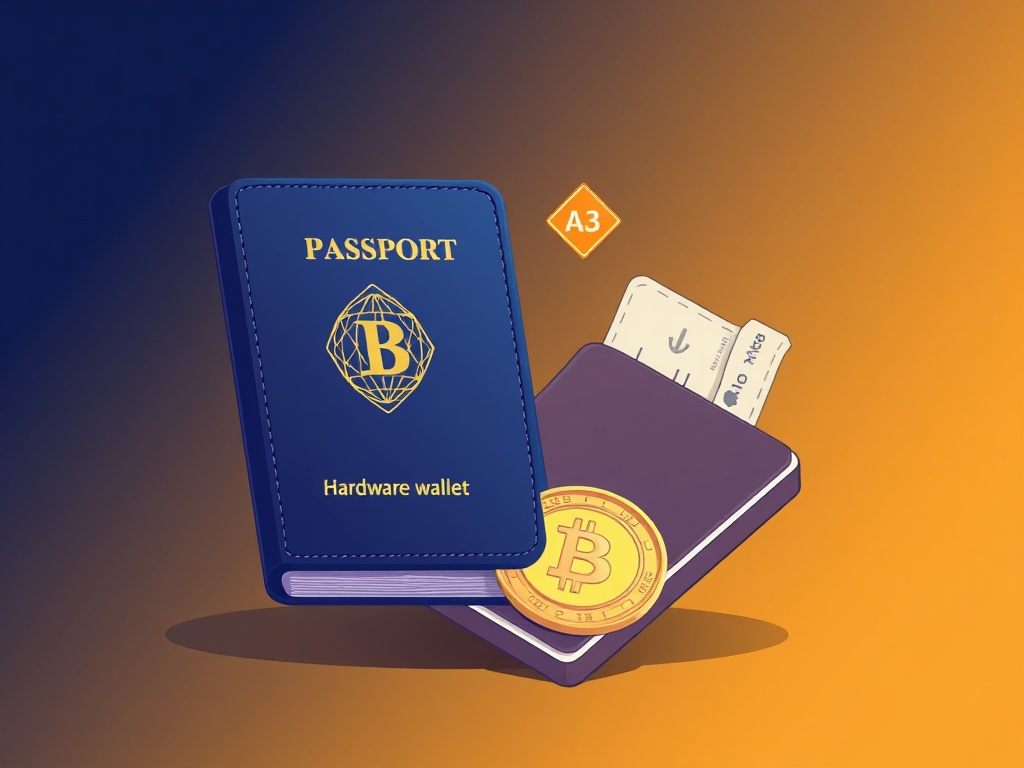
To move funds through a privacy coin, users must first establish a secure wallet. Unlike traditional wallets, privacy coin wallets often require additional security measures, such as hardware storage or multi-signature authentication. Users should avoid storing large amounts of funds in online wallets, as these are more vulnerable to hacking. Instead, hardware wallets or offline storage solutions are recommended. Ensuring the wallet is compatible with the chosen privacy coin is also critical. A misconfigured wallet could lead to loss of funds or failed transactions when attempting to move funds through a privacy coin.
Initiating the Transaction
Once the wallet is set up, the next step is to initiate the transaction. This involves transferring funds from the user’s wallet to the recipient’s address. Privacy coins typically require users to generate a new address for each transaction to enhance anonymity. It is important to double-check the recipient’s address to avoid irreversible errors. Some privacy coins also allow users to mix their funds through a mixer service, further obscuring the transaction trail. This process, while adding an extra layer of security, requires careful execution to ensure the funds are properly moved through a privacy coin without detection.
Using a Mixer Service (Optional but Recommended)
Mixer services, also known as tumblers, are tools that enhance the anonymity of transactions by breaking the link between the sender and receiver. When moving funds through a privacy coin, users can send their coins to a mixer, which then redistributes them to multiple addresses. This makes it significantly harder to trace the origin of the funds. However, not all mixers are trustworthy, and some may be operated by malicious actors. Users must research and select reputable mixers to avoid risks. While not mandatory, using a mixer can be a strategic step in the process of moving funds through a privacy coin to maximize privacy.
Verifying the Transaction
After the transaction is completed, users should verify that the funds have been successfully transferred. This can be done by checking the blockchain explorer associated with the privacy coin. However, due to the anonymity features of privacy coins, the transaction may not be as easily traceable as on public blockchains. Users should also monitor their wallet balance to confirm the receipt of funds. It is important to note that while the transaction is private, it is not entirely untraceable. Advanced techniques or regulatory actions could potentially uncover the details of the transaction, even when attempting to move funds through a privacy coin.
Security Considerations When Moving Funds Through a Privacy Coin
Risks of Using Privacy Coins
While privacy coins offer enhanced anonymity, they also come with inherent risks. One of the primary concerns is the potential for misuse. Criminals may exploit privacy coins to launder money or conduct illegal activities, which can lead to increased scrutiny from regulatory bodies. Additionally, the lack of transparency in privacy coin transactions can make it difficult to recover funds in case of fraud or theft. Users must weigh these risks against the benefits when deciding to move funds through a privacy coin.
Regulatory and Legal Challenges
The legal status of privacy coins varies by jurisdiction. Some countries have banned or restricted their use due to concerns about money laundering and tax evasion. Users must be aware of the legal implications in their region before proceeding. For example, in the United States, the Internal Revenue Service (IRS) treats privacy coins as taxable assets, requiring users to report transactions. Failure to comply with local regulations could result in penalties. It is advisable to consult legal experts or financial advisors when planning to move funds through a privacy coin to ensure compliance with applicable laws.
Best Practices for Secure Transactions
To mitigate risks, users should follow best practices when moving funds through a privacy coin. First, always use reputable wallets and mixer services with a proven track record. Second, avoid sharing sensitive information, such as wallet addresses or private keys, with untrusted parties. Third, consider using multi-factor authentication (MFA) to secure the wallet. Fourth, regularly update software and firmware to protect against vulnerabilities. Finally, keep a record of all transactions for personal accountability. These measures can significantly enhance the security of the process when attempting to move funds through a privacy coin.
Use Cases and Benefits of Moving Funds Through a Privacy Coin
Common Use Cases
Moving funds through a privacy coin is particularly useful in scenarios where privacy is paramount. For instance, individuals in countries with strict financial surveillance may use privacy coins to protect their transactions from government monitoring. Businesses operating in high-risk industries, such as online gambling or adult entertainment, may also benefit from the anonymity provided by privacy coins. Additionally, users who wish to avoid leaving a digital footprint for personal reasons can leverage privacy coins to move funds through a privacy coin without compromising their privacy.
Advantages Over Traditional Methods
Compared to traditional banking systems, privacy coins offer several advantages. Traditional methods often require extensive personal information and are subject to regulatory oversight, which can compromise privacy. Privacy coins, on the other hand, allow users to transact without revealing their identity. This makes them an attractive option for those seeking financial autonomy. Furthermore, privacy coins can facilitate faster and cheaper transactions, especially for cross-border transfers. The ability to move funds through a privacy coin efficiently and securely is a key benefit that sets them apart from conventional financial systems.
Long-Term Implications
The growing adoption of privacy coins could have significant implications for the future of digital finance. As more users prioritize privacy, the demand for privacy coins may increase, leading to further innovation in the space. However, this could also prompt regulatory responses aimed at curbing potential misuse. Users should stay informed about developments in the privacy coin ecosystem to adapt their strategies accordingly. The ability to move funds through a privacy coin may become a standard practice for those valuing financial confidentiality in the coming years.
Risks and Challenges Involved in Moving Funds Through a Privacy Coin
Technical Vulnerabilities
Despite their advanced cryptographic features, privacy coins are not immune to technical vulnerabilities. Bugs in the code of a privacy coin or its associated software can lead to security breaches. For example, a flaw in a mixer service could allow hackers to trace transactions or steal funds. Users must ensure that the privacy coin and any tools used to move funds through a privacy coin are regularly audited and updated. Additionally, the complexity of privacy coin technology may pose challenges for non-technical users, increasing the likelihood of errors during transactions.
Market Volatility
Privacy coins, like other cryptocurrencies, are subject to market volatility. The value of a privacy coin can fluctuate significantly over short periods, affecting the amount of funds that can be moved. This volatility can be a double-edged sword; while it may offer opportunities for profit, it also increases the risk of financial loss. Users should consider the stability of the privacy coin before deciding to move funds through a privacy coin. Diversifying holdings or using stablecoins in conjunction with privacy coins could help mitigate this risk.
Social and Ethical Concerns
The use of privacy coins to move funds raises ethical questions about the balance between privacy and accountability. While privacy is a fundamental right, the potential for misuse cannot be ignored. Critics argue that the anonymity provided by privacy coins could enable illegal activities, undermining trust in the financial system. Users must consider the broader implications of their actions when choosing to move funds through a privacy coin. Engaging in transparent and ethical practices can help address these concerns and promote responsible use of privacy coins.
Moving funds through a privacy coin offers a powerful tool for enhancing financial privacy, but it requires careful planning and execution. By understanding the process, security considerations, and potential risks, users can make informed decisions that align with their needs. As the digital finance landscape continues to evolve, the ability to move funds through a privacy coin will likely remain a relevant and valuable option for those seeking confidentiality in their transactions.

Strategic Considerations for Moving Funds Through a Privacy Coin: Balancing Anonymity and Compliance in Modern Blockchain Ecosystems
From my perspective as a blockchain research director with a focus on tokenomics and cross-chain interoperability, moving funds through a privacy coin represents both an opportunity and a complex challenge. Privacy coins, by design, obscure transaction details to enhance user anonymity, which can be advantageous for individuals or entities prioritizing financial confidentiality. However, this same feature introduces significant risks, particularly in regulated environments. For instance, while privacy coins like Monero or Zcash enable discreet fund transfers, they also complicate compliance with anti-money laundering (AML) and know-your-customer (KYC) regulations. From a practical standpoint, organizations must weigh the trade-offs between privacy and transparency. In scenarios where regulatory scrutiny is low or where users value untraceable transactions—such as in certain decentralized finance (DeFi) use cases—privacy coins can serve as a viable tool. However, their inherent opacity may expose users to heightened risks of misuse, necessitating robust due diligence and risk mitigation strategies.
Practically, moving funds through a privacy coin requires careful consideration of technical and operational factors. Smart contract security is paramount, as vulnerabilities in privacy-focused protocols could lead to irreversible fund loss or exploitation. Additionally, the tokenomics of privacy coins often involve complex supply dynamics, which can impact liquidity and long-term viability. For example, a privacy coin with a fixed supply might offer stability but could also limit scalability for large-scale fund movements. Cross-chain interoperability solutions, which I’ve extensively researched, could mitigate some of these challenges by enabling seamless transfers between privacy coins and more transparent blockchains. This hybrid approach allows users to leverage privacy where needed while maintaining compliance through transparent on-ramps or off-ramps. Nevertheless, the regulatory landscape remains fluid, and evolving laws could render certain privacy coin strategies obsolete or legally contentious. It’s crucial for stakeholders to stay ahead of these developments while ensuring their systems are adaptable to future changes.
Ultimately, moving funds through a privacy coin is not a one-size-fits-all solution. Its effectiveness depends on the specific use case, regulatory environment, and technical safeguards in place. As a blockchain researcher, I advocate for a nuanced approach that acknowledges both the technological potential and the inherent risks. Organizations should conduct thorough risk assessments, engage with legal experts, and explore hybrid models that balance privacy with accountability. While privacy coins can empower users in specific contexts, their adoption must be guided by a clear understanding of the broader implications—technical, legal, and ethical. In an era where blockchain technology continues to evolve, the ability to navigate these complexities will determine the success of such strategies in real-world applications.