Decentralized Mixer vs Centralized Tumbler: Understanding the Key Differences for Bitcoin Privacy and Security

In the evolving landscape of cryptocurrency, privacy and security are paramount concerns for users. As digital assets become more mainstream, the need to obscure transaction trails has led to the development of tools like decentralized mixers and centralized tumblers. These services aim to enhance anonymity by obfuscating the flow of funds, but they operate under fundamentally different models. This article explores the decentralized mixer vs centralized tumbler debate, examining their mechanisms, advantages, risks, and use cases. By understanding these distinctions, users can make informed decisions about which tool aligns best with their privacy and security needs.
What Are Decentralized Mixers and Centralized Tumblers?
Decentralized Mixers: A Peer-to-Peer Approach
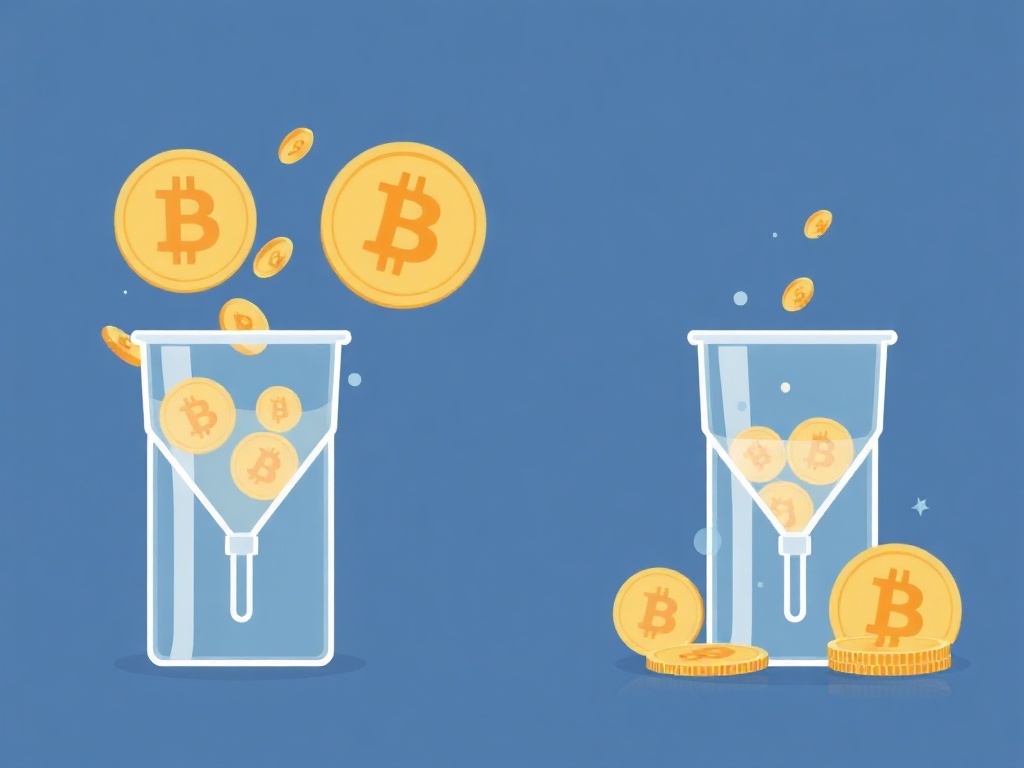
A decentralized mixer operates without a central authority, relying on a network of nodes or users to process transactions. Unlike traditional systems, these mixers distribute the mixing process across multiple participants, making it harder to trace the origin of funds. For example, a decentralized mixer might use a protocol where users contribute their coins to a pool, and the mixed output is distributed randomly. This approach eliminates a single point of failure, enhancing resilience against hacking or regulatory scrutiny. The decentralized mixer vs centralized tumbler comparison often highlights this structural difference, as decentralized systems prioritize user control and transparency.
- Key Features: No central server, distributed processing, higher anonymity potential.
- Use Cases: Users seeking maximum privacy, those wary of centralized control.
Centralized Tumblers: The Traditional Model
A centralized tumbler functions through a single entity that manages the mixing process. Users send their funds to the tumbler’s platform, which then processes and redistributes them to different addresses. This model is simpler to use but introduces risks, as the tumbler operator has full control over the funds. If the central server is compromised, all user data and assets could be at risk. The decentralized mixer vs centralized tumbler debate often centers on this trade-off between convenience and security. Centralized tumblers are popular among users who prioritize ease of use over absolute anonymity.
- Users deposit funds into the tumbler’s wallet.
- The tumbler mixes the coins and sends them to a new address.
- Users retrieve their funds from the new address.
Key Differences Between Decentralized Mixers and Centralized Tumblers
Anonymity and Traceability
One of the most critical factors in the decentralized mixer vs centralized tumbler comparison is the level of anonymity each provides. Decentralized mixers, by design, make it extremely difficult to trace transactions back to their source. Since there is no central database, even if one node is compromised, the entire network remains secure. In contrast, centralized tumblers rely on a single server, which could be targeted by hackers or monitored by authorities. If a centralized tumbler is hacked, all user data could be exposed, undermining the privacy it promises.
Decentralized mixers often use advanced cryptographic techniques, such as zero-knowledge proofs or ring signatures, to further obscure transaction details. This makes them a preferred choice for users in regions with strict financial regulations or those facing surveillance. On the other hand, centralized tumblers may offer basic obfuscation but lack the robust security measures of their decentralized counterparts.
Control and Trust
The concept of decentralized mixer vs centralized tumbler also revolves around trust. Decentralized mixers operate on the principle of trustless systems, where users do not need to rely on a single entity. Instead, the network’s consensus mechanisms ensure that transactions are processed fairly. This reduces the risk of fraud or manipulation. In contrast, centralized tumblers require users to place their trust in the operator. If the tumbler is dishonest or compromised, users could lose their funds or have their data leaked.
For instance, a centralized tumbler might freeze accounts or refuse to return funds if the operator decides to shut down. Decentralized mixers, however, are typically governed by smart contracts or open-source protocols, ensuring that users retain control over their assets. This distinction is crucial for users who value autonomy and transparency in their financial activities.
Security Risks and Vulnerabilities
Security is a major concern in the decentralized mixer vs centralized tumbler debate. Centralized tumblers are more vulnerable to attacks because they represent a single target. A successful breach could compromise all user data and funds. Additionally, centralized platforms may be subject to regulatory pressure, leading to potential shutdowns or data requests from authorities. Decentralized mixers, while not immune to risks, distribute the attack surface across multiple nodes. This makes them harder to target. However, they are not without flaws. For example, if a decentralized mixer’s protocol has a vulnerability, it could affect the entire network. Users must also be cautious about the specific implementation of a decentralized mixer, as not all are equally secure. The decentralized mixer vs centralized tumbler comparison often highlights these trade-offs, emphasizing that no system is entirely risk-free.
Use Cases and Scenarios for Each Type
When to Choose a Decentralized Mixer
Decentralized mixers are ideal for users who prioritize maximum privacy and are willing to navigate more complex processes. They are particularly useful for individuals in high-risk environments, such as journalists, activists, or businesses operating in jurisdictions with strict financial controls. The decentralized mixer vs centralized tumbler analysis often points to decentralized options for those who cannot afford to trust a single entity with their funds.
- High Privacy Needs: Users requiring untraceable transactions.
- Regulatory Compliance: Avoiding centralized oversight in restrictive regions.
- Long-Term Security: Reducing reliance on a single point of failure.
When to Opt for a Centralized Tumbler
Centralized tumblers are more user-friendly and suitable for individuals who value simplicity over absolute anonymity. They are often preferred by casual users or those who need quick and straightforward mixing services. However, the decentralized mixer vs centralized tumbler comparison suggests that centralized options may not be the best choice for users with sensitive financial data.
- Ease of Use: Simple interface and faster processing times.
- Lower Technical Barrier: No need to understand complex protocols.
- Cost-Effective: Some centralized tumblers offer lower fees for basic services.
Evaluating the Trade-Offs: Privacy vs. Convenience
The decentralized mixer vs centralized tumbler debate ultimately comes down to balancing privacy and convenience. Decentralized mixers offer superior anonymity but require users to engage with more complex systems. Centralized tumblers provide ease of use but at the cost of potential vulnerabilities. For example, a user in a country with heavy financial surveillance might prefer a decentralized mixer to avoid detection, while a user in a more lenient region might opt for a centralized tumbler for its simplicity.
It’s also important to consider the evolving nature of these tools. As regulatory frameworks around cryptocurrencies tighten, centralized tumblers may face increased scrutiny, potentially leading to stricter compliance requirements. Decentralized mixers, on the other hand, may benefit from growing adoption as users seek alternatives to centralized systems. The decentralized mixer vs centralized tumbler comparison is not static; it evolves with technological advancements and changing user needs.
Conclusion: Choosing the Right Tool for Your Needs
In the decentralized mixer vs centralized tumbler discussion, there is no one-size-fits-all solution. The choice depends on individual priorities, risk tolerance, and specific use cases. Decentralized mixers are better suited for those who demand maximum privacy and are comfortable with technical complexities. Centralized tumblers, while less secure, offer convenience and accessibility for a broader audience.
Ultimately, users should conduct thorough research before selecting a service. Factors such as the platform’s reputation, security measures, and transparency should be evaluated. For those concerned about the decentralized mixer vs centralized tumbler dilemma, a hybrid approach might also be considered, where users leverage both types of services depending on their needs. As the cryptocurrency ecosystem continues to grow, the demand for robust privacy tools will likely drive further innovation in both decentralized and centralized solutions.

Decentralized Mixer vs Centralized Tumbler: A Strategic Analysis of Privacy and Risk in Digital Asset Transactions
From my perspective as a digital assets strategist, the choice between a decentralized mixer and a centralized tumbler hinges on a nuanced understanding of privacy, risk, and regulatory dynamics. Decentralized mixers, which operate on blockchain networks without a single point of control, offer users greater autonomy by leveraging cryptographic techniques to obfuscate transaction trails. This aligns with the principles of decentralization that underpin many cryptocurrency ecosystems. However, their transparency—since all transactions are recorded on public ledgers—can inadvertently expose patterns that might be exploited by malicious actors or regulators. Centralized tumblers, by contrast, centralize the mixing process, allowing for more sophisticated obfuscation methods but introducing counterparty risk. Users must trust the operator to act in their best interest, which is a vulnerability given the history of exit scams in the crypto space. From a quantitative standpoint, decentralized mixers may exhibit more predictable on-chain behavior due to their open-source nature, whereas centralized tumblers could introduce volatility in transaction patterns depending on the operator’s policies.
Practically, the decision between these two models often depends on the user’s risk tolerance and use case. For instance, a high-net-worth individual prioritizing maximum privacy might favor a decentralized mixer, as it eliminates reliance on a third party. However, the complexity of managing such tools—requiring technical expertise to navigate blockchain interactions—can be a barrier. Centralized tumblers, while potentially easier to use, may compromise privacy if the operator logs user data or faces regulatory scrutiny. My analysis of market microstructure suggests that centralized tumblers might attract more regulatory attention due to their centralized nature, which could lead to sudden shutdowns or compliance requirements. Conversely, decentralized mixers, though harder to regulate, might face challenges in scalability and user adoption due to their technical complexity. A balanced approach could involve hybrid models, but such solutions are still nascent and require careful evaluation of trade-offs between privacy, security, and usability.
Ultimately, the debate between decentralized mixers and centralized tumblers reflects broader tensions in the digital asset space between innovation and control. As a strategist, I emphasize the importance of aligning these tools with broader portfolio optimization goals. Decentralized mixers may better suit long-term, privacy-focused strategies, while centralized tumblers could serve short-term needs where ease of use outweighs risk concerns. However, both models must be assessed within the evolving regulatory landscape. My work in on-chain analytics has shown that transaction patterns from these tools can reveal critical insights into market behavior, but they also pose challenges for compliance. In conclusion, neither option is universally superior; the optimal choice depends on a careful assessment of technical, regulatory, and operational factors, guided by a deep understanding of both the tools and the ecosystems they inhabit."