Bitcoin Mixer vs Privacy Coin: A Comprehensive Guide to Enhancing Your Cryptocurrency Privacy
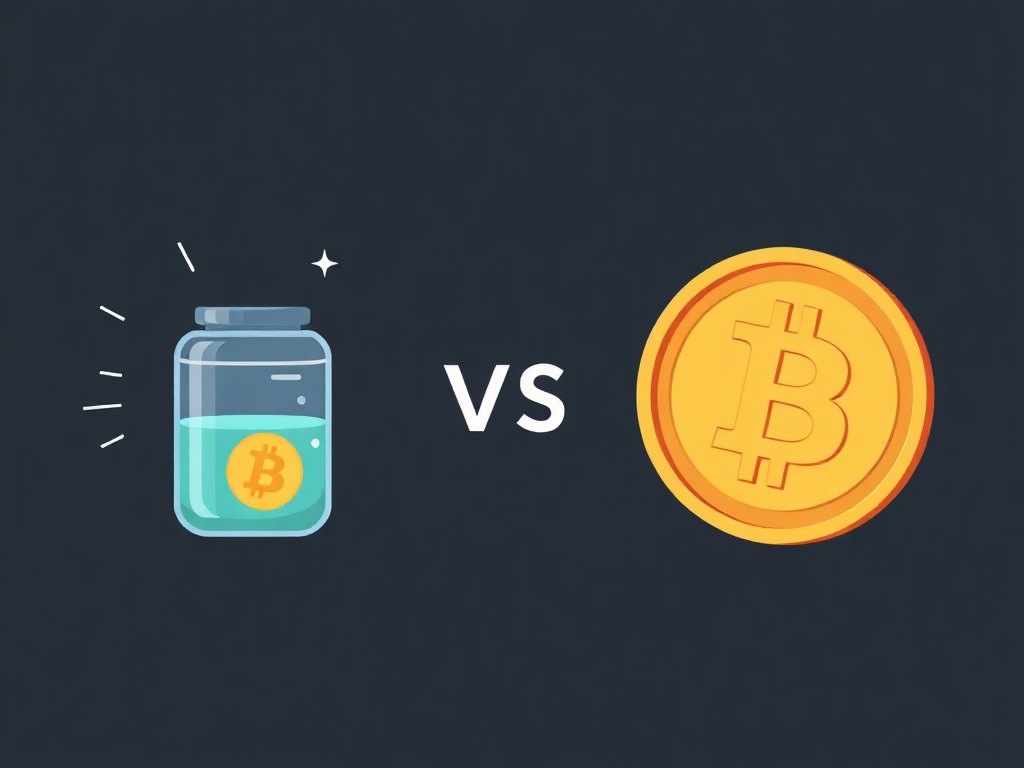
In the rapidly evolving world of cryptocurrency, privacy has become a critical concern for users. Two popular solutions for safeguarding financial transactions are bitcoin mixer services and privacy coins. While both aim to protect user anonymity, they operate differently and cater to distinct needs. This article explores the bitcoin mixer vs privacy coin debate, helping you understand their mechanisms, advantages, and limitations. Whether you’re a seasoned crypto enthusiast or a newcomer, this guide will equip you with the knowledge to make informed decisions about your privacy strategy.
Understanding Bitcoin Mixers and Privacy Coins
What is a Bitcoin Mixer?
A bitcoin mixer, also known as a tumbler or blender, is a service that obscures the transaction trail of Bitcoin by mixing multiple users’ funds. When you send Bitcoin through a mixer, your coins are combined with those of other users, making it difficult to trace the origin of the funds. This process effectively breaks the link between the sender and receiver, enhancing privacy. However, it’s important to note that not all mixers are created equal. Some operate on centralized platforms, which may pose risks if the service is compromised or shut down.What Are Privacy Coins?
Privacy coins are cryptocurrencies designed with built-in anonymity features. Unlike Bitcoin, which is pseudonymous (users are identified by their wallet addresses), privacy coins use advanced cryptographic techniques to hide transaction details. Examples include Monero (XMR) and Zcash (ZEC), which employ ring signatures, stealth addresses, and zero-knowledge proofs to ensure transactions are untraceable. These coins are ideal for users who prioritize complete financial privacy without relying on external services.While both bitcoin mixer and privacy coins aim to protect user data, their approaches differ significantly. A bitcoin mixer requires users to send their funds through a third-party service, whereas privacy coins integrate privacy directly into their blockchain protocols. This distinction is crucial when evaluating which option aligns with your privacy goals.
Key Differences Between Bitcoin Mixers and Privacy Coins
Anonymity and Traceability
The primary difference between a bitcoin mixer and a privacy coin lies in how they handle anonymity. A bitcoin mixer relies on external services to obfuscate transaction data, which can be effective but introduces dependency on the mixer’s security. If the mixer is hacked or shut down, users risk losing their funds or having their privacy compromised. In contrast, privacy coins embed anonymity into their core design. For instance, Monero’s ring signatures ensure that even if a transaction is analyzed, the sender’s identity remains hidden. This makes privacy coins inherently more secure against traceability.Technology Behind Each
The technology powering a bitcoin mixer and a privacy coin is fundamentally different. A bitcoin mixer typically uses algorithms to shuffle coins between users, creating a complex web of transactions that obscure the original source. However, this method is not foolproof. Advanced blockchain analysis tools can sometimes trace mixer activities, especially if the mixer is not fully decentralized. On the other hand, privacy coins use cryptographic innovations like zero-knowledge proofs (ZKPs) to prove transaction validity without revealing sender or receiver details. This technology is more robust and resistant to external attacks, making privacy coins a more reliable choice for long-term privacy.Use Cases and Scenarios
The choice between a bitcoin mixer and a privacy coin often depends on the specific use case. A bitcoin mixer might be preferred for one-time transactions where users want to quickly obscure their funds. For example, someone selling a high-value item might use a mixer to avoid linking the purchase to their wallet. However, this approach requires trust in the mixer’s integrity. Privacy coins, on the other hand, are better suited for ongoing privacy needs. Users who frequently transact or want to maintain anonymity across multiple transactions may find privacy coins more practical. Additionally, privacy coins are often used in regions with strict financial regulations, where transparency is a concern.It’s also worth noting that using a bitcoin mixer with Bitcoin can be risky. Since Bitcoin is a transparent blockchain, even after mixing, traces can sometimes be uncovered through advanced analysis. Privacy coins, by contrast, are designed to prevent such tracking, making them a safer option for users who prioritize security over convenience.
When to Use a Bitcoin Mixer vs. Privacy Coins
Scenarios Favoring Bitcoin Mixers
There are specific scenarios where a bitcoin mixer might be the better choice. For instance, if you’re using Bitcoin and want to enhance privacy without switching to a different cryptocurrency, a mixer can be a viable solution. This is particularly useful for users who are already invested in Bitcoin and don’t want to learn a new system. Additionally, mixers can be beneficial for users who need to move large amounts of Bitcoin quickly. By mixing funds, they can reduce the risk of being targeted by blockchain analysts. However, it’s crucial to choose a reputable mixer, as some services may log user data or operate in gray areas legally.Scenarios Favoring Privacy Coins
Privacy coins are ideal for users who require consistent and unbreakable anonymity. If you’re operating in a high-risk environment, such as a country with strict financial surveillance, privacy coins offer a more secure alternative. They are also preferred by individuals who want to maintain privacy across all transactions, not just specific ones. For example, a freelancer receiving payments in privacy coins can ensure that their income remains untraceable, reducing the risk of financial censorship. Furthermore, privacy coins are often used in decentralized finance (DeFi) applications where privacy is a core requirement.It’s important to recognize that while bitcoin mixer services can enhance privacy, they are not a substitute for privacy coins. The latter provides a more comprehensive solution, especially for users who value long-term security and independence from third-party services.
Security Considerations: Bitcoin Mixers vs Privacy Coins
Risks of Using Bitcoin Mixers
Despite their benefits, bitcoin mixer services come with inherent risks. One major concern is the potential for the mixer to be compromised. If the service is hacked, users could lose their funds or have their transaction data exposed. Additionally, some mixers may operate illegally, making them targets for law enforcement. In such cases, users could face legal repercussions for using the service. Another risk is the possibility of double-spending or other fraudulent activities. Since mixers rely on third-party trust, there’s no guarantee that the service will act in the user’s best interest.Security of Privacy Coins
Privacy coins, on the other hand, are designed with security as a core principle. Their cryptographic protocols are regularly audited by the community, ensuring that vulnerabilities are quickly addressed. For example, Monero’s development team actively monitors the network for potential threats. Moreover, privacy coins are not dependent on external services, which reduces the risk of a single point of failure. However, it’s not without challenges. Privacy coins can face regulatory scrutiny, as governments may attempt to ban or restrict their use. This could impact their adoption and long-term viability.When comparing the security of a bitcoin mixer and a privacy coin, the latter generally offers a more robust solution. While mixers can provide temporary privacy, they are vulnerable to external threats. Privacy coins, by contrast, are built to withstand such challenges, making them a more reliable choice for users who prioritize security.
The Future of Privacy in Cryptocurrency: Bitcoin Mixers and Privacy Coins
Evolving Regulations
As governments around the world grapple with the challenges of cryptocurrency regulation, the future of both bitcoin mixer services and privacy coins is uncertain. Regulators are increasingly focused on combating money laundering and tax evasion, which could lead to stricter oversight of mixers. Some countries have already banned or restricted the use of certain mixers, citing concerns about their potential for illicit activities. Privacy coins, while offering stronger anonymity, may also face regulatory pressure. Governments might argue that their inherent privacy features make them unsuitable for legitimate use, leading to potential bans or restrictions.Technological Advancements
Technological innovation will play a crucial role in shaping the future of privacy in cryptocurrency. For bitcoin mixer services, advancements in decentralized mixing protocols could enhance security and reduce reliance on third-party services. For example, decentralized mixers that operate on blockchain networks could offer greater transparency and resilience. On the other hand, privacy coins are likely to continue evolving with new cryptographic techniques. Innovations like confidential transactions or improved zero-knowledge proofs could further enhance their privacy capabilities. These advancements will determine which solution—bitcoin mixer or privacy coin—becomes more dominant in the future.Ultimately, the choice between a bitcoin mixer and a privacy coin will depend on how regulations and technology evolve. Users must stay informed about these developments to adapt their privacy strategies accordingly.
In conclusion, the bitcoin mixer vs privacy coin debate highlights the diverse approaches to achieving cryptocurrency privacy. While Bitcoin mixers offer a convenient way to obscure transactions, privacy coins provide a more secure and integrated solution. Understanding the differences between these two options is essential for making informed decisions about your financial privacy. Whether you opt for a mixer or a privacy coin, the key is to prioritize security, transparency, and adaptability in an ever-changing digital landscape.

Bitcoin Mixer vs Privacy Coin: Navigating Anonymity in the Crypto Landscape
As a Senior Crypto Market Analyst with over 12 years of experience, I’ve observed how privacy-focused tools evolve in response to regulatory pressures and technological advancements. When comparing a bitcoin mixer vs privacy coin, it’s essential to recognize that both aim to enhance transaction confidentiality but operate through fundamentally different mechanisms. Bitcoin mixers, or tumblers, function by aggregating multiple transactions to obscure the origin of funds, effectively breaking the traceability of a single transaction. In contrast, privacy coins like Monero or Zcash embed anonymity directly into their blockchain protocols through cryptographic techniques such as ring signatures or zero-knowledge proofs. While mixers rely on external services and user trust, privacy coins offer inherent privacy without intermediaries. However, this distinction comes with trade-offs: mixers can be vulnerable to regulatory scrutiny or service shutdowns, whereas privacy coins may face legal challenges due to their design, which can complicate compliance for users and exchanges alike.
Practically, the choice between a bitcoin mixer vs privacy coin often hinges on the user’s risk tolerance and use case. For individuals prioritizing discretion in high-value transactions, privacy coins provide a more robust solution, as their anonymity is not dependent on third-party services that could be compromised. However, privacy coins may lack the liquidity or mainstream adoption of Bitcoin, making them less accessible for large-scale transfers. On the other hand, mixers can be appealing for those seeking a simpler, more immediate solution, but they introduce counterparty risk—users must trust the mixer operator to act ethically and not retain or misuse funds. From an institutional perspective, privacy coins are often viewed as higher-risk assets due to their potential for misuse, which can deter adoption in regulated markets. Conversely, mixers might be more palatable in jurisdictions with less stringent crypto regulations, though this is increasingly changing as governments tighten oversight. Ultimately, neither option is without drawbacks, and the decision should align with the user’s specific needs, risk appetite, and the evolving legal landscape surrounding cryptocurrency privacy tools.