Anonymous Internet Access: Protecting Your Digital Privacy
In today's interconnected world, anonymous internet access has become increasingly important for individuals seeking to protect their online privacy and security. As digital surveillance and data collection practices continue to expand, understanding how to maintain anonymity while browsing the internet has become a crucial skill for internet users worldwide.
Understanding Anonymous Internet Access
Anonymous internet access refers to the ability to browse the web, communicate, and conduct online activities without revealing your true identity or location. This practice involves various techniques and tools designed to mask your digital footprint and protect your personal information from being tracked or collected by third parties.
The Importance of Online Anonymity
The need for anonymous internet access stems from several critical concerns in the modern digital landscape. Government surveillance programs, corporate data collection, and cybercriminal activities have made it essential for users to take proactive steps to protect their online privacy. Additionally, anonymous internet access enables individuals to exercise their right to free speech and access information without fear of censorship or retribution.
Methods for Achieving Anonymous Internet Access
Virtual Private Networks (VPNs)
VPNs are one of the most popular tools for achieving anonymous internet access. These services create an encrypted tunnel between your device and the internet, masking your IP address and location. When using a VPN, your internet traffic appears to originate from the VPN server rather than your actual location, providing an additional layer of privacy and security.
Tor Network
The Tor network, also known as The Onion Router, is another powerful tool for anonymous internet access. This network routes your internet traffic through multiple volunteer-operated servers, encrypting your data at each step. The layered encryption approach makes it extremely difficult for anyone to trace your online activities back to your original location or identity.
Proxy Servers
Proxy servers act as intermediaries between your device and the internet, providing another method for anonymous internet access. While not as secure as VPNs or Tor, proxy servers can still help mask your IP address and provide basic anonymity for casual browsing activities.
Best Practices for Maintaining Anonymous Internet Access
Browser Configuration
Proper browser configuration is essential for maintaining anonymous internet access. This includes disabling cookies, using private browsing modes, and installing privacy-focused browser extensions. Additionally, regularly clearing your browser cache and history helps prevent tracking and maintains your anonymity.
Secure Communication Tools
When seeking anonymous internet access, it's important to use secure communication tools that protect your messages and data. Encrypted messaging apps, secure email services, and anonymous chat platforms can help maintain your privacy while communicating online.
Payment Methods
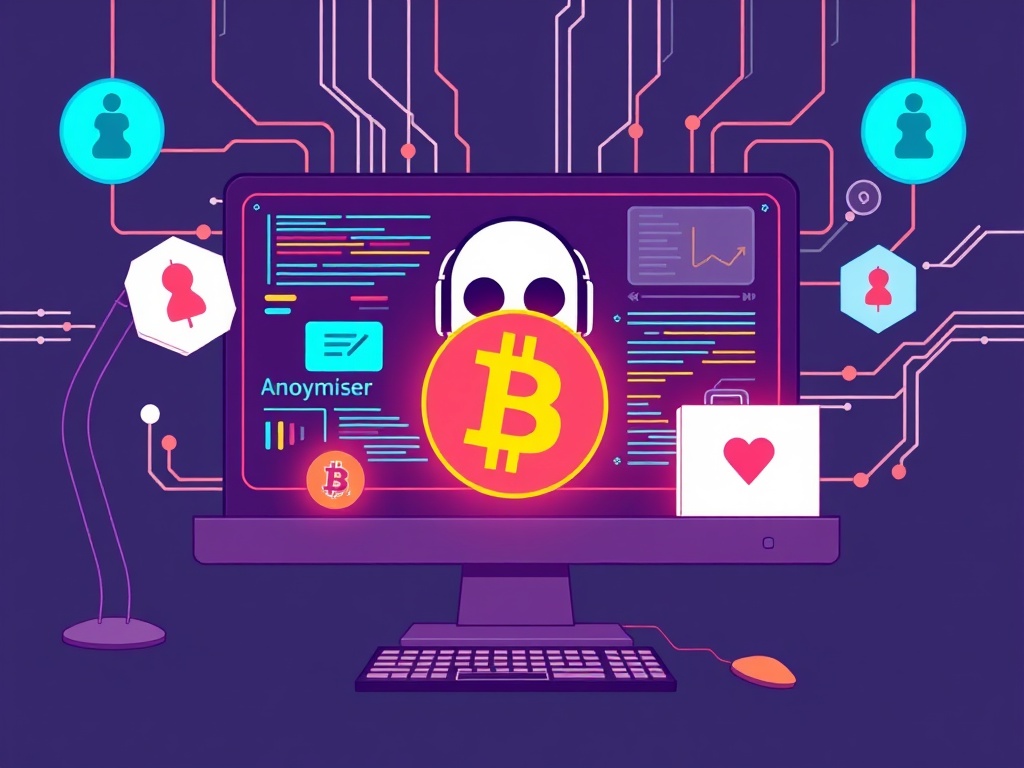
For those who need to make online purchases while maintaining anonymous internet access, using cryptocurrency or prepaid cards can help protect your financial information. These payment methods provide an additional layer of anonymity when conducting online transactions.
Challenges and Limitations
Technical Limitations
While various tools and techniques exist for anonymous internet access, it's important to understand their limitations. No method is completely foolproof, and determined adversaries may still be able to compromise your anonymity through advanced techniques or vulnerabilities in the tools you use.
Legal Considerations
The use of anonymous internet access tools may be subject to legal restrictions in some jurisdictions. It's important to understand and comply with local laws and regulations regarding online privacy and anonymity tools.
Future of Anonymous Internet Access
Emerging Technologies
As technology continues to evolve, new solutions for anonymous internet access are being developed. Blockchain-based privacy solutions, decentralized networks, and advanced encryption methods are among the innovations that may shape the future of online anonymity.
Privacy Advocacy
The growing awareness of digital privacy issues has led to increased advocacy for stronger protections and better tools for anonymous internet access. This movement continues to influence both technological development and policy decisions related to online privacy.
Conclusion
Anonymous internet access remains a crucial aspect of digital privacy and security in the modern world. By understanding the available tools and best practices, individuals can take meaningful steps to protect their online privacy while navigating the digital landscape. As technology and privacy concerns continue to evolve, staying informed about the latest developments in anonymous internet access will remain essential for maintaining online security and privacy.

Anonymous Internet Access: A Critical Analysis for DeFi and Web3
As a DeFi and Web3 analyst, I've observed that anonymous internet access has become increasingly vital for users navigating decentralized ecosystems. The ability to interact with blockchain networks, decentralized applications, and DeFi protocols without revealing personal information is not just a privacy preference but often a necessity for security-conscious participants. This is particularly relevant when considering the risks associated with centralized exchanges and the growing sophistication of cyber threats targeting crypto users.
From a practical standpoint, anonymous internet access enables users to engage with DeFi protocols while maintaining operational security. Through the use of VPNs, Tor networks, and decentralized VPNs (dVPNs), users can mask their IP addresses and geographic locations, reducing the risk of targeted attacks or surveillance. However, it's crucial to note that while these tools provide a layer of anonymity, they must be used in conjunction with other security practices such as hardware wallets and careful management of wallet addresses. The intersection of anonymous internet access and DeFi creates a powerful combination for users seeking both privacy and financial sovereignty in the Web3 landscape.